 By Roman Aglaganov
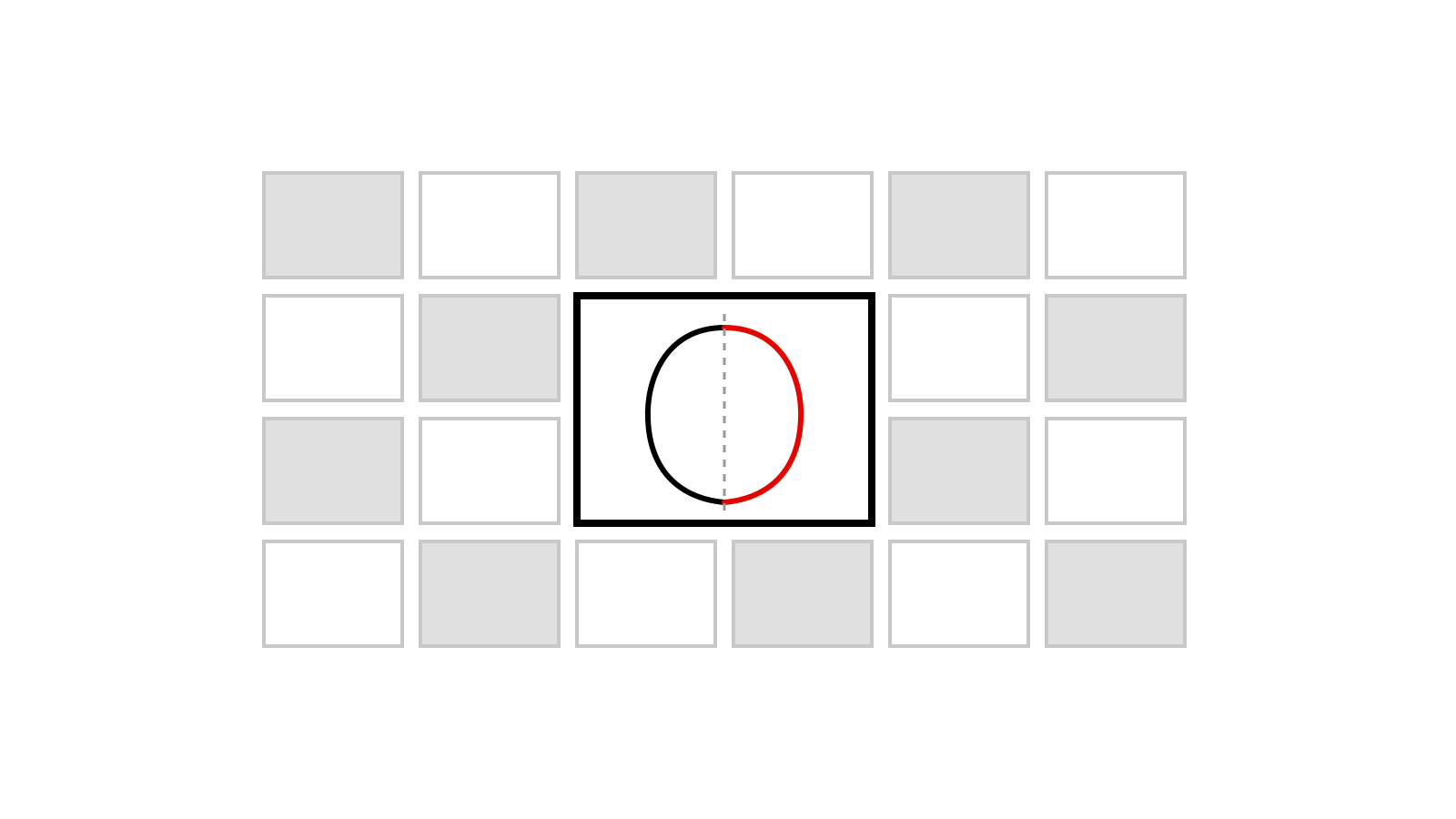
The US midterm elections on 3 November are the first in which AI-generated political ads are everywhere. The Wesleyan Media Project, which tracks election advertising, estimates that more than $137 million has been spent this cycle on ads generated or enhanced with AI, against less than $50,000 in the 2024 elections. It has identified 220 such ads and says that is almost certainly an undercount.
A partisan split
Most of it comes from one side. Wesleyan says 81% of the AI ads it identified were sponsored by Republican candidates or groups and 12% by Democrats. Measured by money, Republicans account for 88% of the spending, around $120 million, The Washington Post reported on 24 October.
Examples include a Ted Cruz-aligned PAC’s ad showing Michigan Democrat Abdul El-Sayed in a fabricated family photo, and Republican ads portraying the Texas Senate candidate James Talarico as a Bible-defacing radical. Talarico has answered with an ad of his own: “I don’t have to use AI, because the truth about Ken Paxton is bad enough.” Another of his ads carries the line “Made by humans, not AI.”
Republicans have defended the approach. When the party’s Senate committee posted an AI video of Chuck Schumer in October 2025, built on a real quote, its communications director wrote: “AI is here and not going anywhere. Adapt & win or pearl clutch & lose.”
The voters and the rules
Democratic strategists told the Post they think voters’ worries about cost of living, corporate power and authenticity outweigh any edge from synthetic video. Polling supports the caution: in a survey by the AAPC Foundation, around nine in ten likely voters said using AI to make a video of an opponent saying something they never said was “completely unacceptable”.
There is no federal requirement for AI political ads to carry a label, although some states require disclosures or restrict deepfakes, and researchers say most AI ads carry no label.
Why it matters
Cheap, realistic video changes what an attack ad can show. The bigger risk may not be any single fake but the doubt they create: when voters know any clip could be invented, real footage loses its force too. Whether the Democrats’ bet pays off on 3 November will shape how both parties use AI in 2028.