 By Roman Aglaganov
A few years ago, the AI startup story was simple: raise money, build a model or an app, hope to be bought by a tech giant. In 2026, the startups are doing the buying.
The numbers
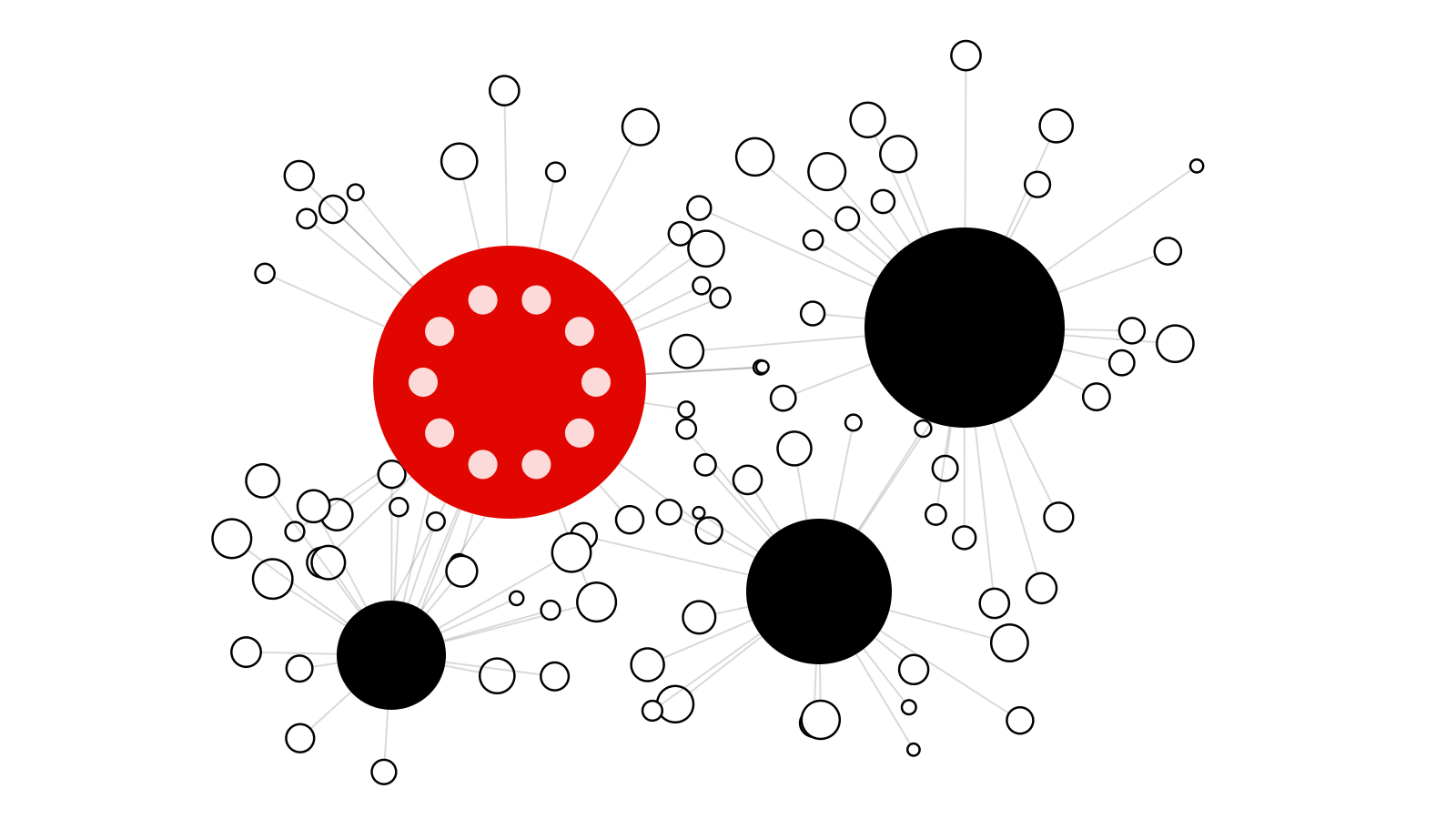
According to Crunchbase data published on 6 October, venture-backed AI companies acquired 195 AI startups between January and 29 September, already 14% more than in the whole of 2025. The number of buyers grew just 2%, so the increase comes from the same companies buying again and again.
The busiest buyers this year: OpenAI with 10 acquisitions, Anthropic and the legal AI company Legora with five each, Harvey, also in legal AI, with four, and Sierra and Cursor with three each.
The biggest recorded prices: Nscale’s reported $1.65 billion purchase of Anyscale, Cyera’s $1 billion deal for Oasis Security, Anthropic’s $400 million acquisition of Coefficient Bio and OpenAI’s $300 million purchase of Glass Imaging. Prices were disclosed for only 12 of the 195 deals.
Why buy instead of build
“It’s faster to acquire a team or product than build it yourself,” Rama Sekhar of Menlo Ventures told Crunchbase. High valuations also give AI startups valuable shares to pay with. Many buyers are specialists filling gaps, like legal AI companies adding research, regulatory monitoring and litigation tools, while OpenAI’s purchases range from healthcare data to developer infrastructure and security tools.
The money behind it is enormous. Crunchbase counts $159 billion of global venture funding in the third quarter, with AI companies taking $102 billion of it, about 64%. A record 27 companies raised rounds of a billion dollars or more.
What it means
Serial acquisitions are how young industries consolidate. For customers, that can mean better integrated products, and fewer independent choices. For founders of small AI startups, it means the most likely buyer may now be another startup that is only a couple of years older.