 By Roman Aglaganov
AI chatbots have aced medical exams for years. Exams are not patients, though. On 8 October, researchers from Google and Beth Israel Deaconess Medical Center in Boston published a study in The Lancet that tested an AI with real people, in a real clinic, before a real appointment.
The study
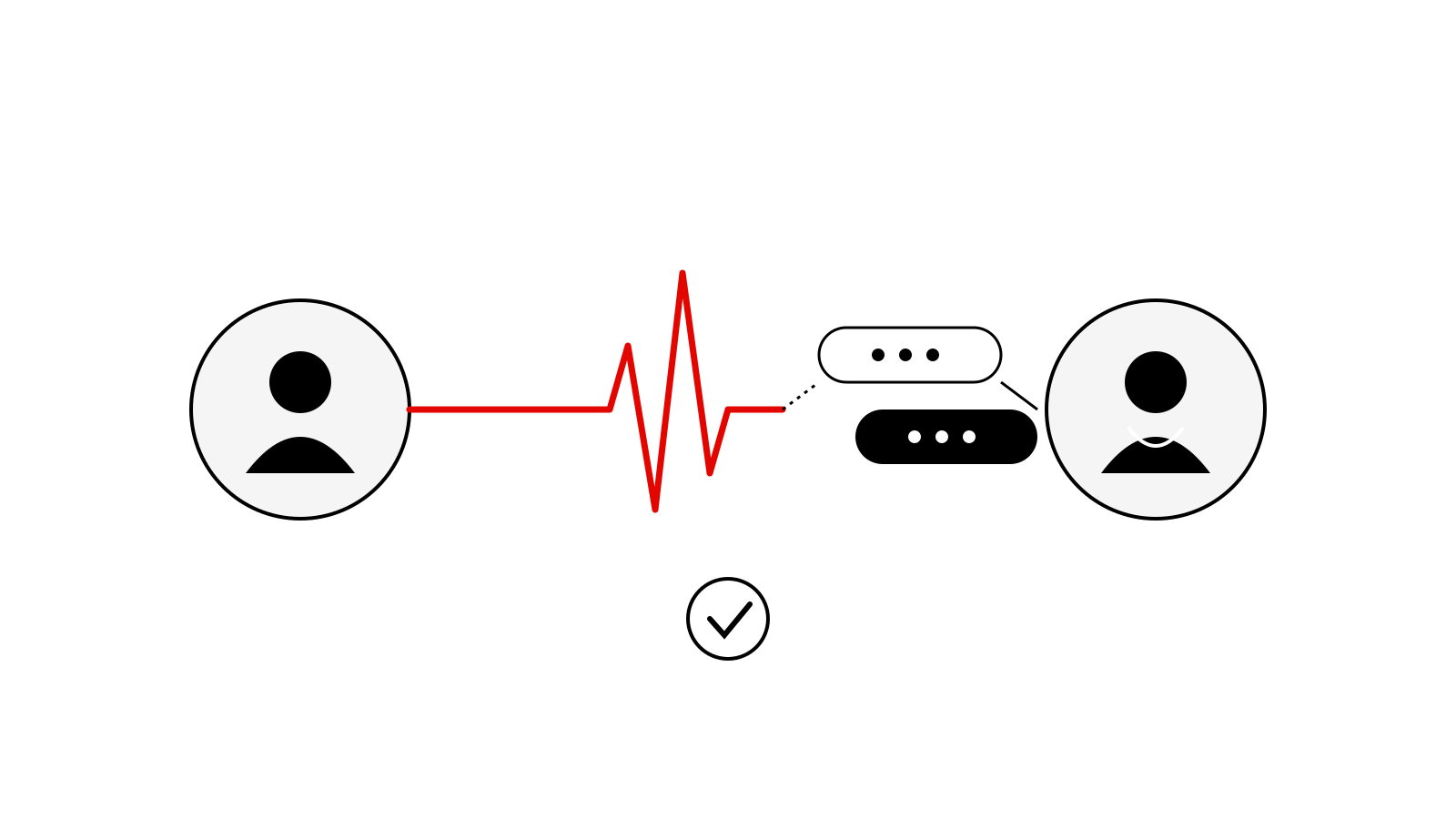
At the hospital’s primary care clinic, 98 patients talked with AMIE, Google’s research diagnostic chatbot, ahead of urgent care visits. Patients described what was wrong in a chat with AMIE, much as they would at the start of a visit, and the AI produced a summary for the doctor. Supervising physicians watched every conversation in real time, ready to interrupt if it broke predefined safety rules.
The results
Safety: not a single conversation had to be interrupted.
Usefulness: clinicians said AMIE’s summaries helped them prepare in 75% of cases and influenced their approach to care in more than half.
Accuracy: AMIE’s list of possible diagnoses matched the doctors’ final diagnosis 90% of the time.
What it does not show
Ninety-eight patients in one clinic, with doctors watching live, is a careful first step, not proof that unsupervised AI intake is safe at scale. Google itself says larger clinical trials are needed. The interesting idea is the role: not an AI doctor, but an assistant that takes the history so the human doctor can spend the appointment on judgement and care rather than on paperwork.