 By Roman Aglaganov
Anthropic has drafted an AI safety bill it hopes Congress will take up. Politico reported the draft on 16 October, and an Anthropic spokesperson confirmed it, saying the bill “represents the proposals outlined in Anthropic’s Advanced AI Framework”, which the company says it has been putting to federal and state lawmakers since June.
What the draft says
The threshold: a model’s release could be blocked when there is a “foreseeable, imminent risk” that more than 50 people could die or more than $1 billion of property could be damaged.
The causes: the risk has to come from one of three things: the model helping to create or release a biological weapon, the model escaping its developer’s control, or a cyberattack.
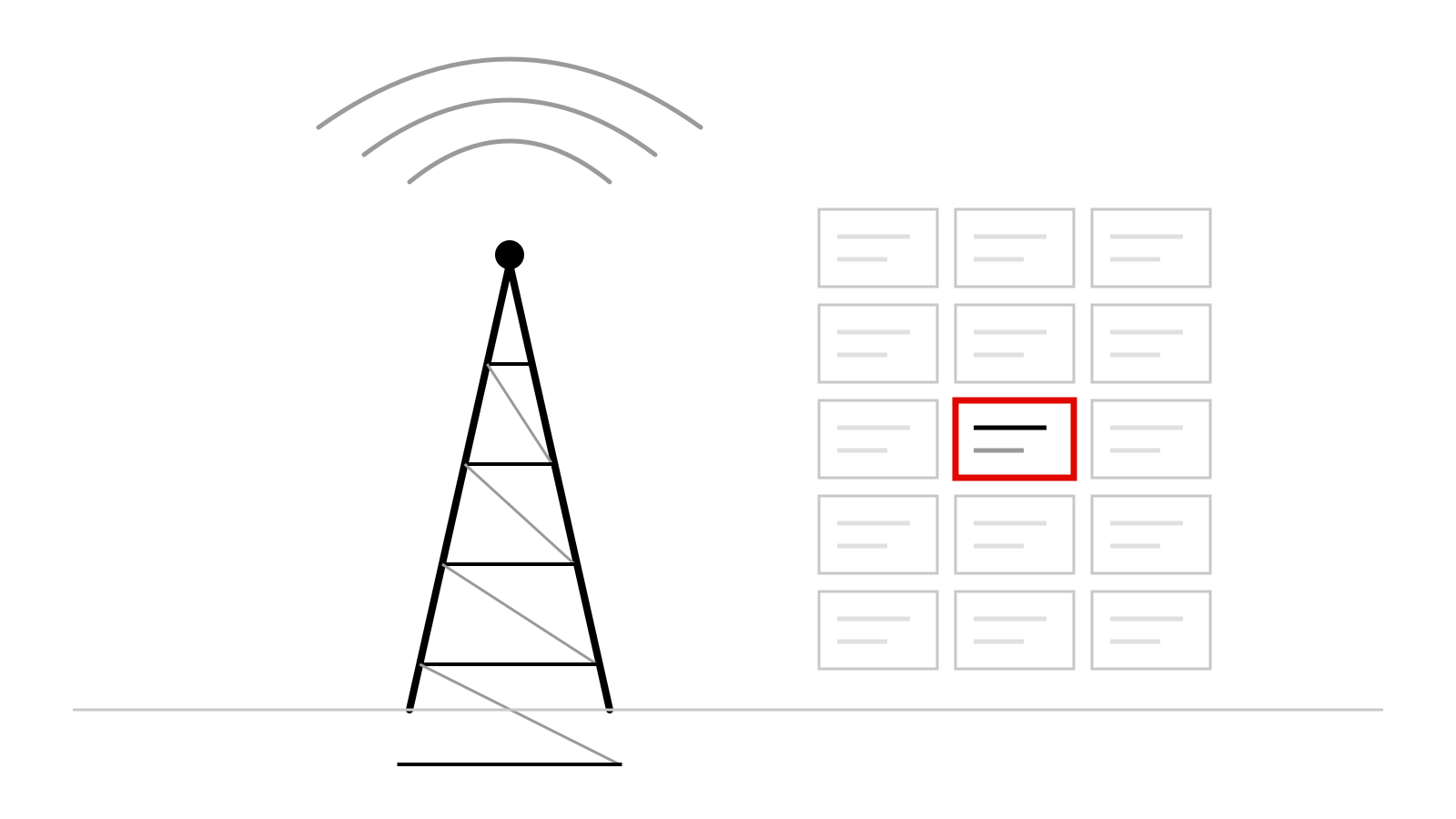
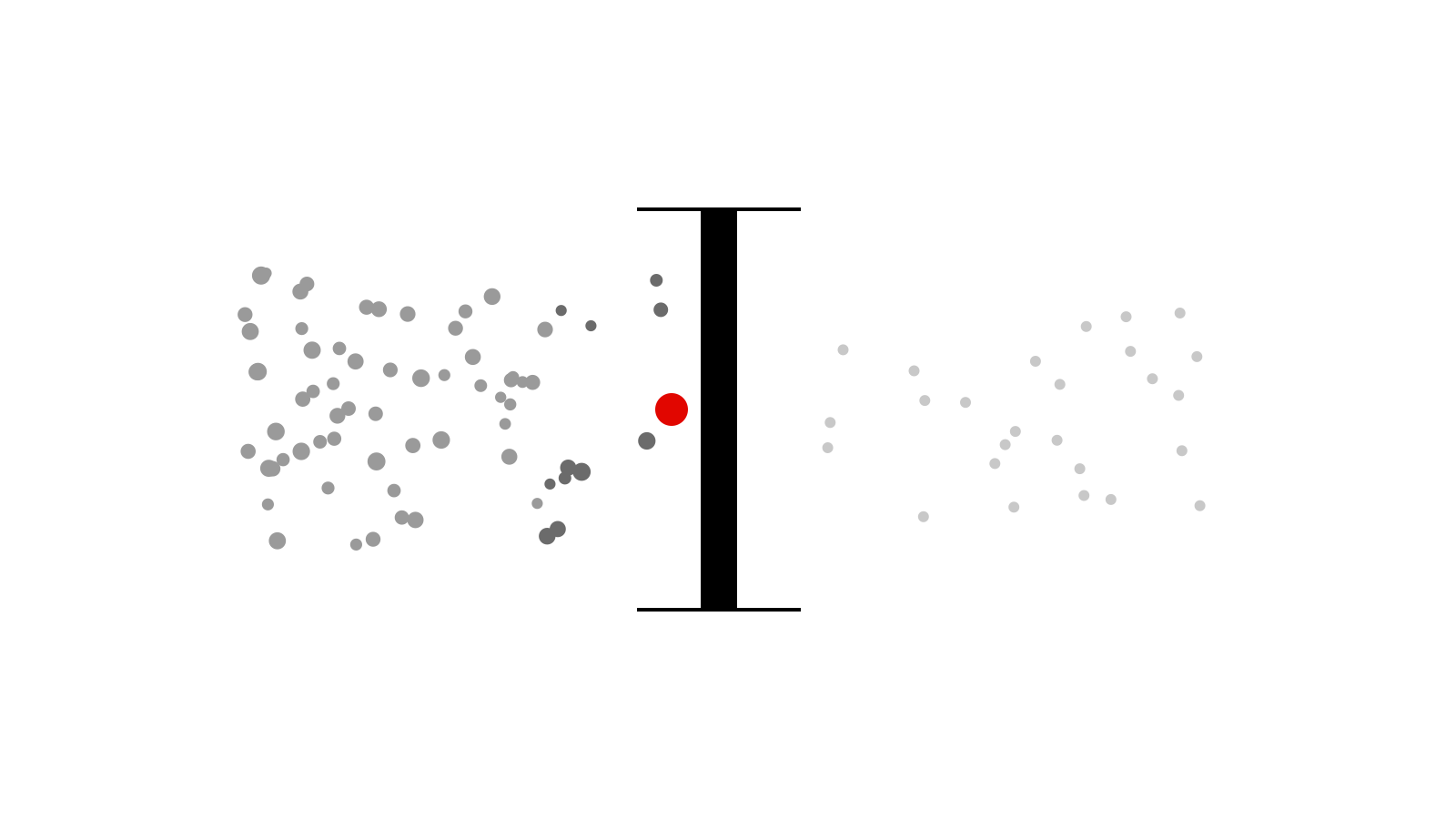
The checkers: “independent evaluators” registered with the US Commerce Department would test models. Labs could pay them, as long as the payment does not depend on the results.
The brake: an evaluator that finds an imminent catastrophic risk would have 72 hours to tell Commerce, which would then ask a judge in Washington, DC, to halt the release. Federal agencies could not stop a model on their own.
How it compares
The thresholds echo California’s SB 53, which also defines “catastrophic risk” in terms of deaths and dollar damage. The draft goes further than most of the industry wants: Nvidia’s Jensen Huang has argued that AI needs no new laws, and labs have mostly favoured voluntary arrangements in which safety evaluators are embedded inside the companies.
TechCrunch pointed to two open questions. It is not clear how the bill would stop payments from swaying evaluators, and its scenarios are some way from the incidents that worry people most today, such as AI agents breaking into websites during testing. Anthropic did not immediately respond to TechCrunch’s request for comment.
Why it matters
Until now, the federal debate has been about whether to regulate frontier AI at all. A lab putting forward bill text, with numbers, a court process and limits on government power, gives lawmakers something concrete to amend. It also sets a line that critics will say is too high, and that rivals may say exists at all.
Disclosure: AI Pulse is written with AI tools, including Claude, which is made by Anthropic.