By Roman Aglaganov
In a note published on 24 October, Torsten Slok, chief economist at the investment firm Apollo, wrote that AI “has delivered zero financial payoff to corporate America outside of tech”. It is a blunt claim from the economist of a firm that is itself lending to the AI build-out: an Apollo-managed fund is behind SpaceX’s new $40 billion GPU loan.
The evidence
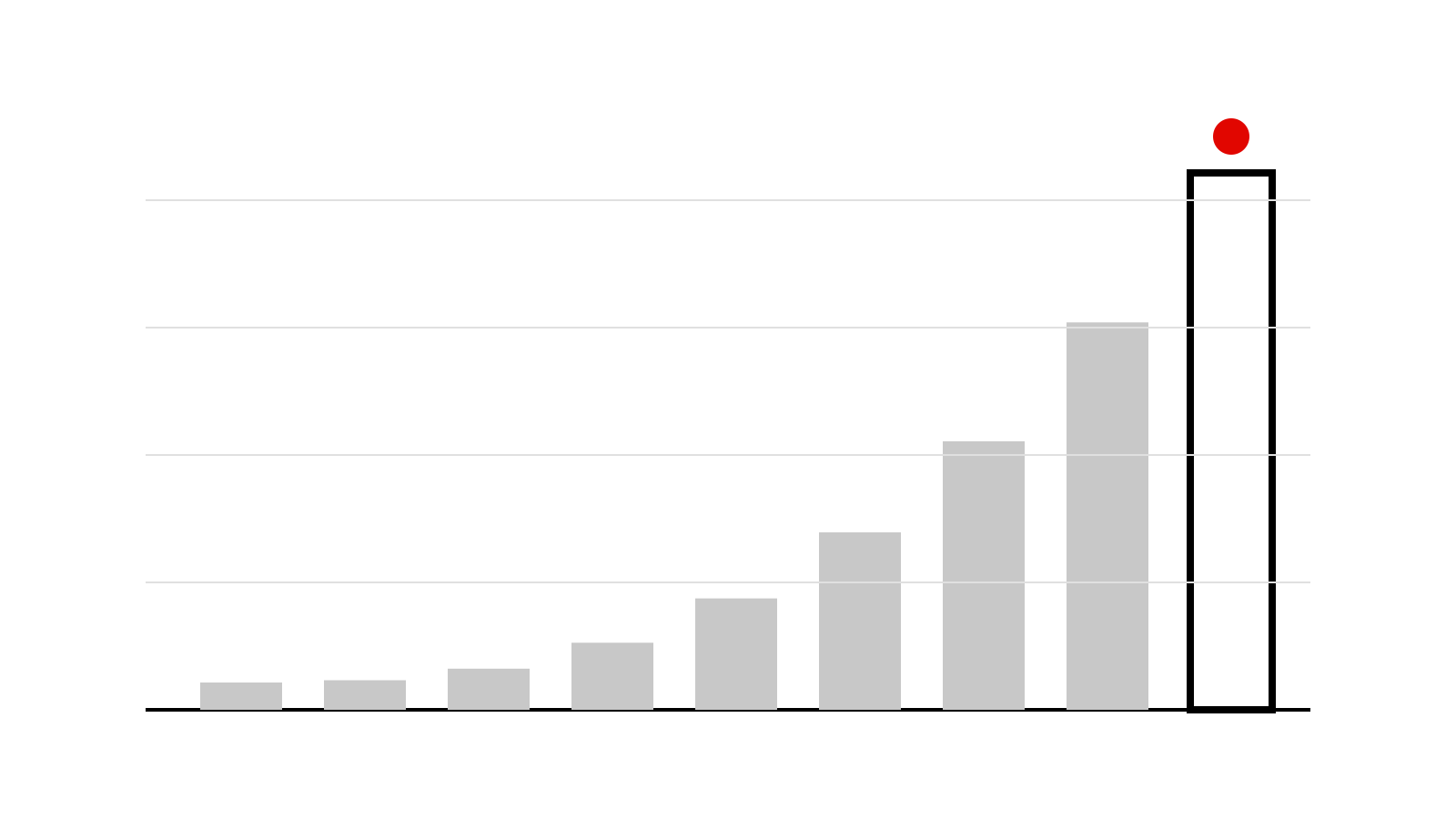
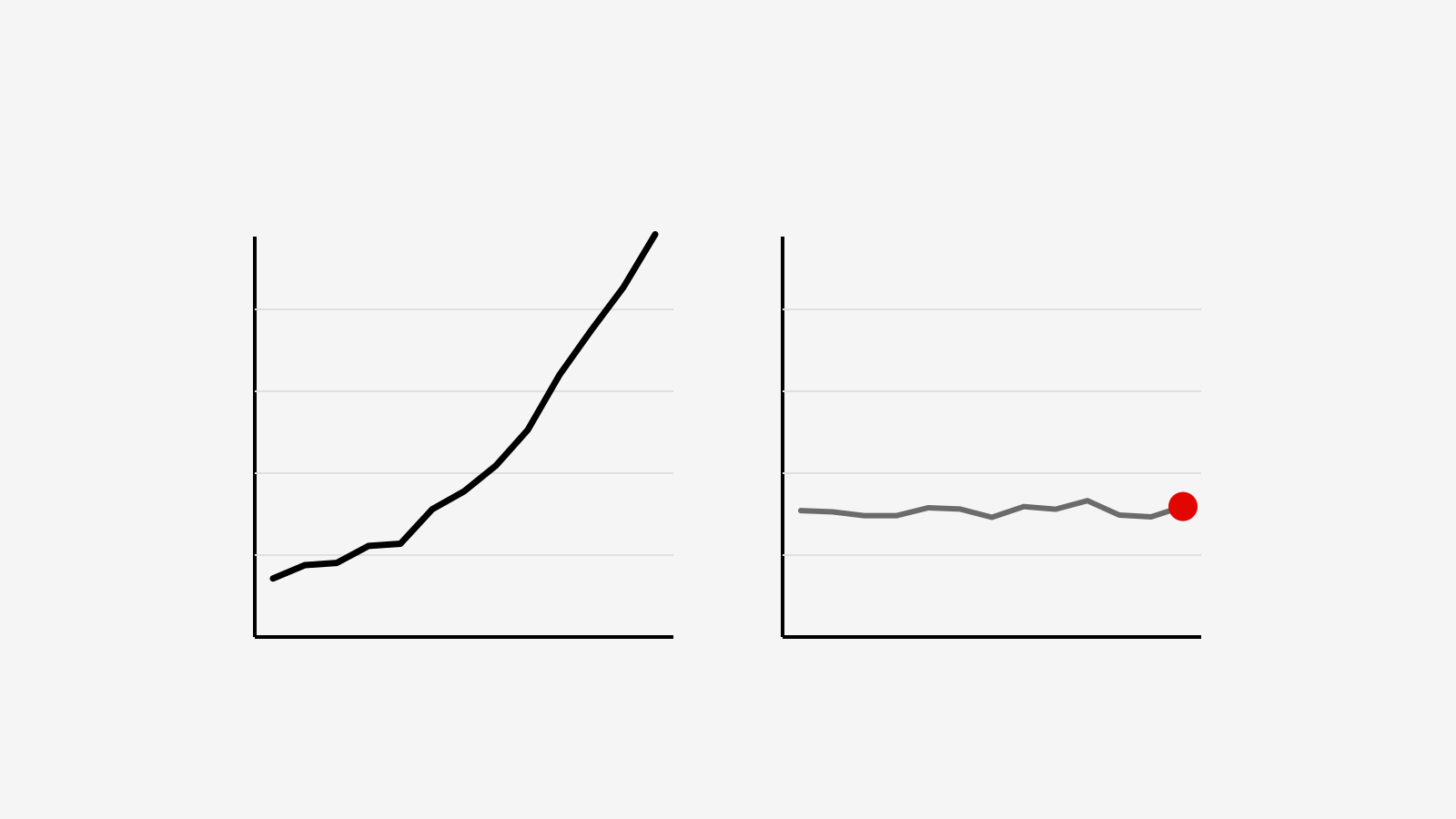
Slok compares the “Magnificent Seven”, the biggest US tech companies, with the other 493 companies in the S&P 500. For the seven, revenue per worker and profit margins are rising. For the 493, both are flat. He also finds no sign yet of AI lifting productivity growth, using a measure from the Federal Reserve Bank of San Francisco.
His charts draw on data from Ramp, the corporate spending platform. They show that a small group of firms, many backed by venture capital, accounts for most spending on AI models. “Mainstream corporate America is pulling back and starting to view token spending not as a source of growth but as a cost center that weighs on margins,” he wrote. Most companies, he says, do not need the latest model and will not pay for it.
The other view
Not everyone agrees. Blackstone’s president, Jon Gray, recently rejected talk of an AI bubble and called demand “almost parabolic”, Bloomberg reported. Supporters of AI argue that new technologies often take years to show up in productivity figures, as computers did in the 1980s.
Slok himself leaves the question open: whether ordinary companies can turn ever-cheaper intelligence into growth. That may be harder than it sounds, he argues, because in business intelligence is mostly judgement, which depends on context, accountability and trust.
Why it matters
The AI boom rests on the belief that the whole economy will eventually pay for it, not only tech companies and start-ups. Alphabet, Amazon and Microsoft report results this week, and investors will be looking for signs that customers beyond the tech world are spending. As Slok puts it, the AI story will be decided in the S&P 493.