 By Roman Aglaganov
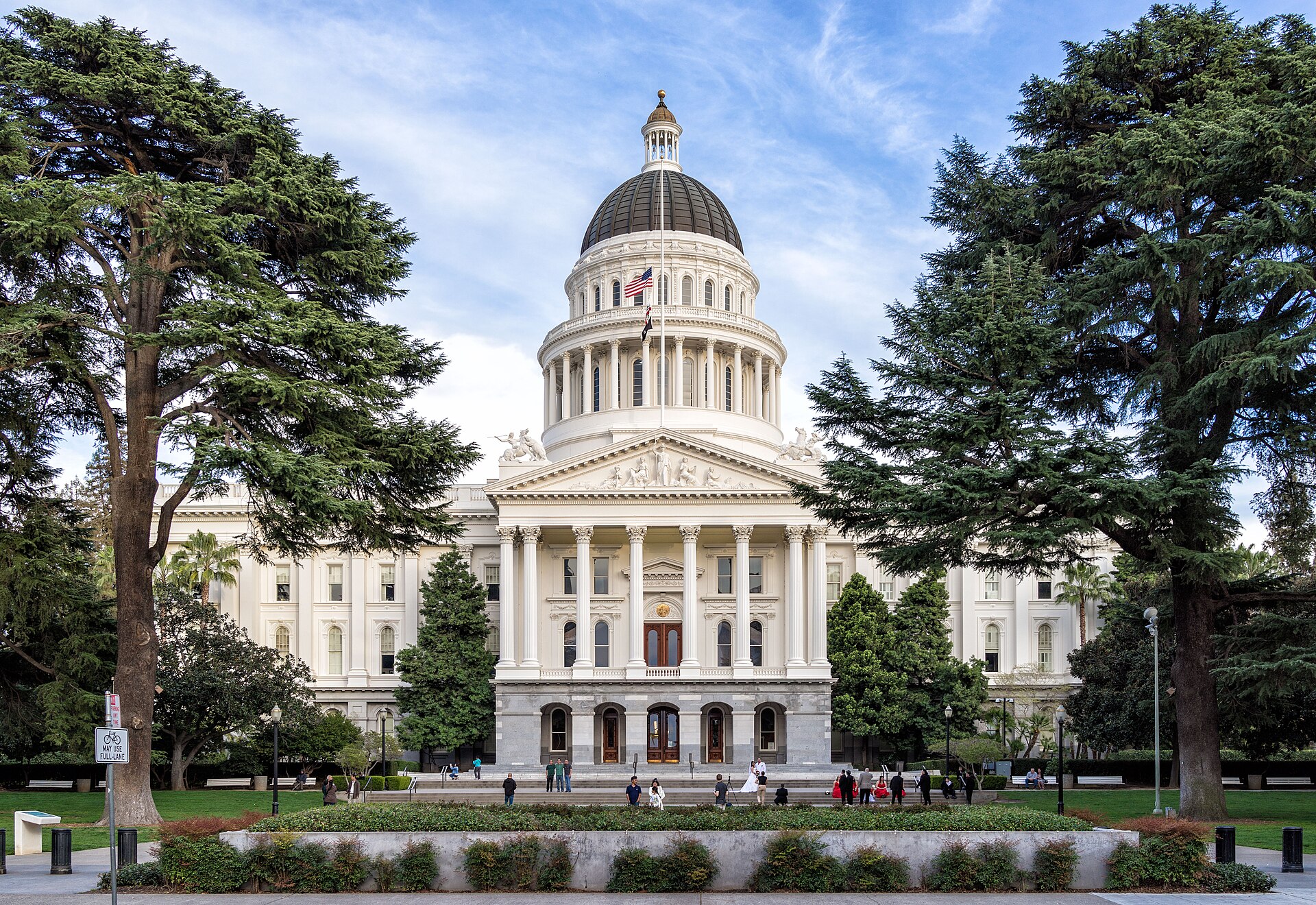
California is home to 32 of the world’s 50 leading AI companies, according to its governor, which means the state legislature in Sacramento has an unusual amount of influence over a technology used everywhere. It took two attempts to use it.
Take one: SB 1047
In 2024, State Senator Scott Wiener’s SB 1047 would have required developers of the largest, most expensive AI models to put safeguards in place against catastrophic harm, and created a state board to oversee them. It split Silicon Valley: some AI researchers backed it, many companies and investors lobbied hard against it.
On 29 September 2024, Governor Gavin Newsom vetoed it. His letter argued that regulating by size and cost was the wrong test: by focusing only on the biggest models, the bill could give “a false sense of security”, while smaller, specialised models might turn out to be just as dangerous. He also objected that it applied strict standards even to basic functions, as long as a large model was doing them.
Take two: SB 53
Wiener came back in January 2025 with SB 53, the Transparency in Frontier Artificial Intelligence Act, shaped by a working group of experts the governor had convened. Newsom signed it on 29 September 2025, exactly a year after the veto.
Who it covers: developers of frontier models, with the heaviest duties falling on large companies with more than $500 million in annual revenue.
What they must do: publish a safety framework explaining how they assess and reduce catastrophic risks, publish basic information when they release a new frontier model, and report critical safety incidents to the state.
Whistleblowers: employees who raise concerns about serious risks are protected from retaliation.
Why the second one passed
SB 53 asks companies mainly to show their work rather than to meet a state-defined standard of safety, and it leans on what many large labs already said they were doing voluntarily. Critics call that too gentle; supporters call it the first catastrophic-risk law in the United States that actually made it onto the books. Both can be true. In AI policy, a law that exists tends to beat a stricter one that was vetoed.