 By Roman Aglaganov
In September, Google announced a €13 billion investment in Finnish digital infrastructure over two years, which it calls its single biggest investment in Europe. In October, it was told to stop digging.
The order
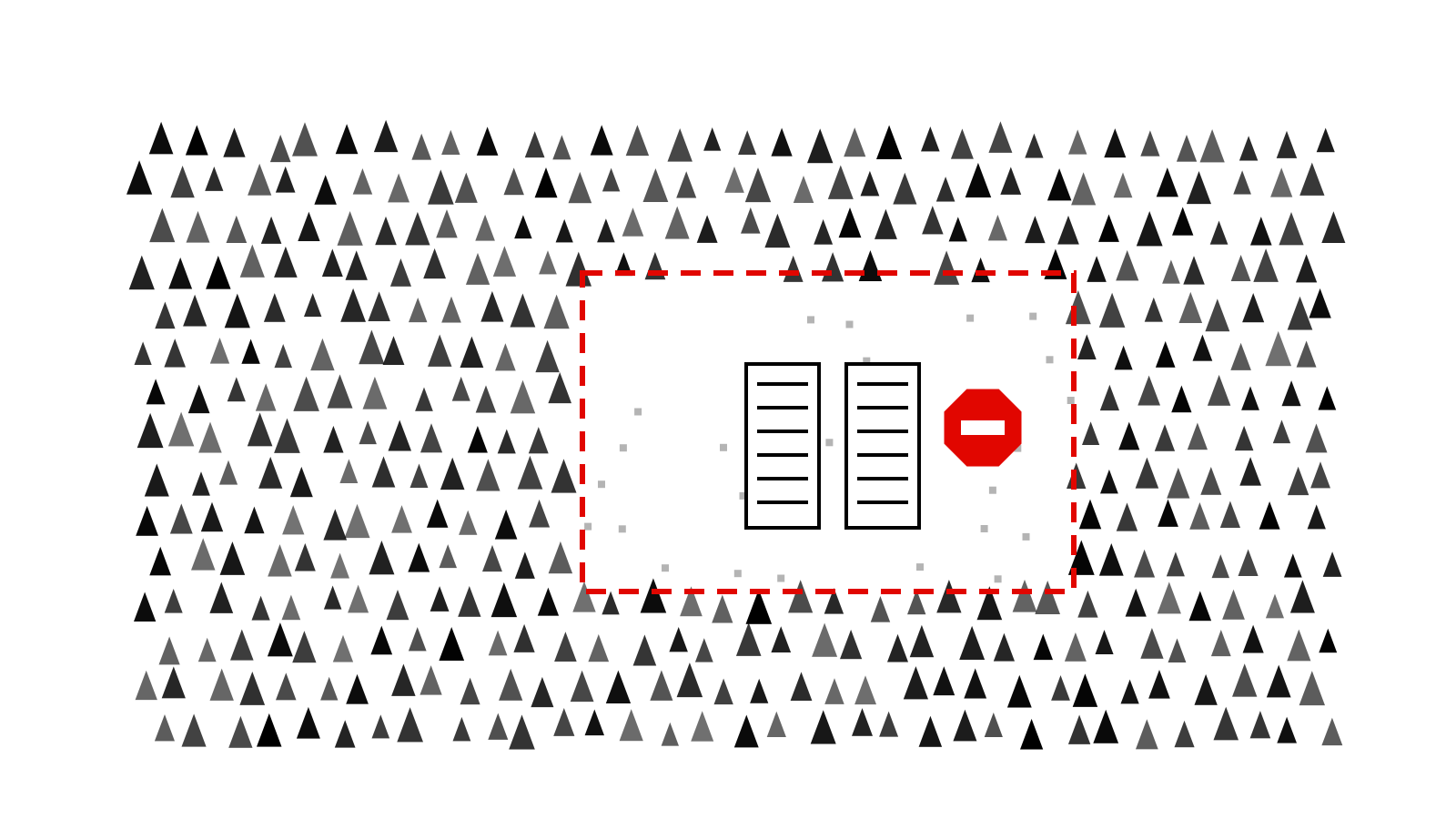
Finland’s Supervisory Agency (LVV), which oversees environmental rules, ordered Tuike Finland, the Google company behind the projects, to suspend by 23 October all preparatory work that would significantly alter the environment at its planned sites in Muhos and Kajaani. The suspension lasts until the mandatory environmental impact assessments for both sites are complete.
The agency has been investigating whether hundreds of hectares of forest were cleared without that assessment. According to its environment chief, trees were removed, topsoil stripped, site roads and storage areas built and ditches altered. The chair of the Finnish Association for Nature Conservation told AFP that nature sites that should have been preserved had been logged in a cleared area of more than 300 hectares. Tuike Finland has until 14 October to explain itself, and Yle reports that police have opened a preliminary inquiry at the Muhos site.
Google said it had “fallen short of our own high standards” and would comply with the order, adding that its plans include replanting trees across 130 hectares at Muhos.
Why it matters
The Nordics attract data centres for good reasons: cool air, clean electricity and stable grids. But AI builders now face the same scrutiny as any heavy industry. Finnish opposition parties have called for a national permit system so data centres do not cause power shortages or push up prices. The lesson travels well beyond Finland: the race to build AI infrastructure fast does not exempt anyone from the ordinary rules about forests, water and power.