By Roman Aglaganov

Large language models are famously black boxes: billions of numbers that somehow add up to a conversation. A field called mechanistic interpretability tries to open the box and work out what those numbers actually represent.
Millions of concepts
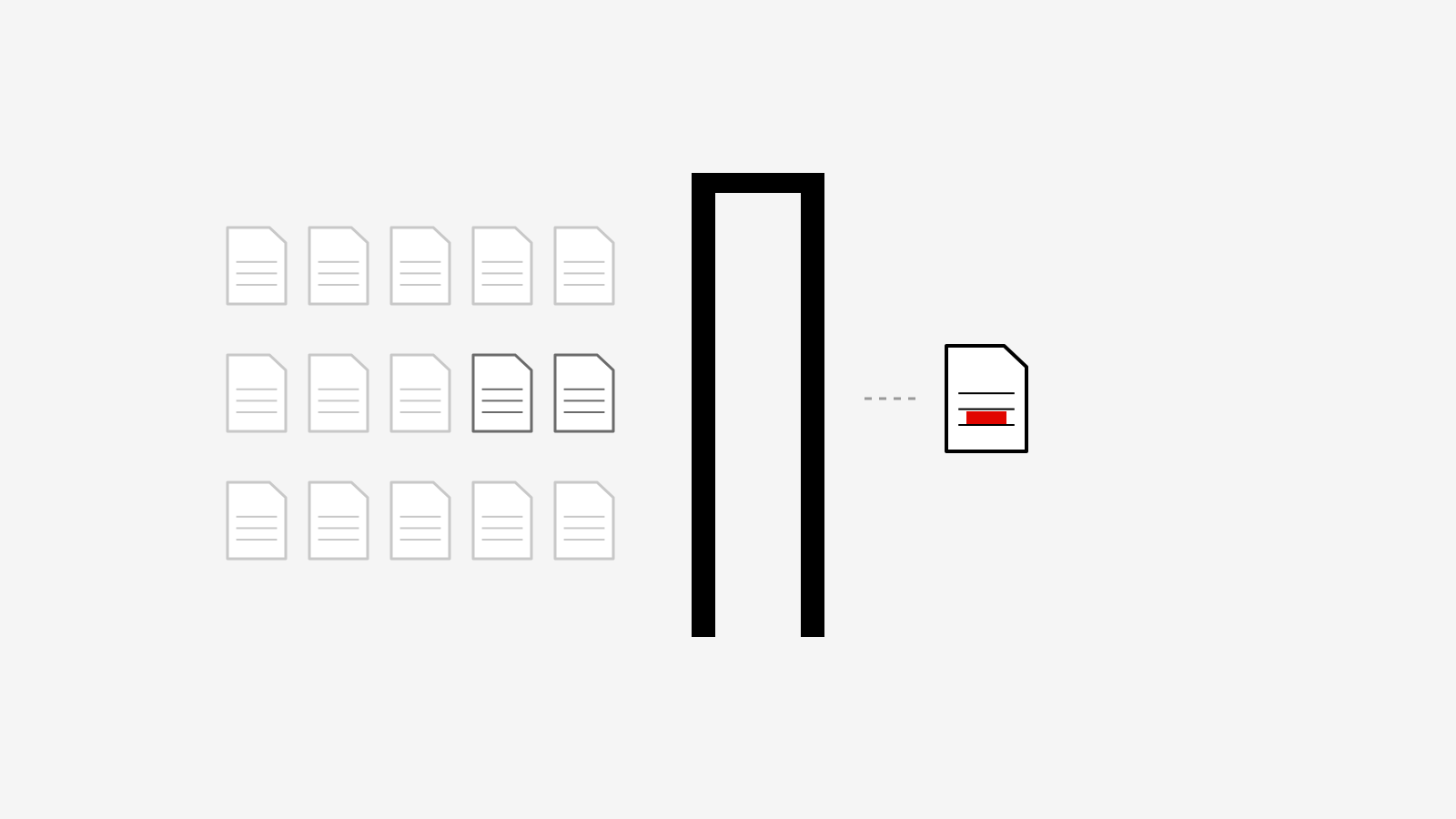
In May 2024, Anthropic published research in which it used a technique called dictionary learning on its Claude 3 Sonnet model and extracted millions of “features”: patterns of activity that correspond to recognisable concepts. Some were concrete, such as the Golden Gate Bridge or a particular programming bug; others were abstract, such as secrecy, sycophancy or inner conflict. Many worked across languages and even across text and images.
The bridge that talked
To show the features were real, the researchers turned one up. With the Golden Gate Bridge feature amplified, the model brought the bridge into every conversation and, asked to describe its physical form, explained that it was the Golden Gate Bridge. Anthropic let the public chat with “Golden Gate Claude” for a short time. Ask it for a recipe and it might well steer you towards a dish best enjoyed with a view of the bay.
Why it matters
The bridge was a joke with a serious point. If researchers can find features for deception, bias or dangerous knowledge, they may be able to detect when a model is using them, and even switch them down. Interpretability is still early and covers only a fraction of what models do, but it is one of the most promising routes to AI systems we can understand, not just test.