 By Roman Aglaganov
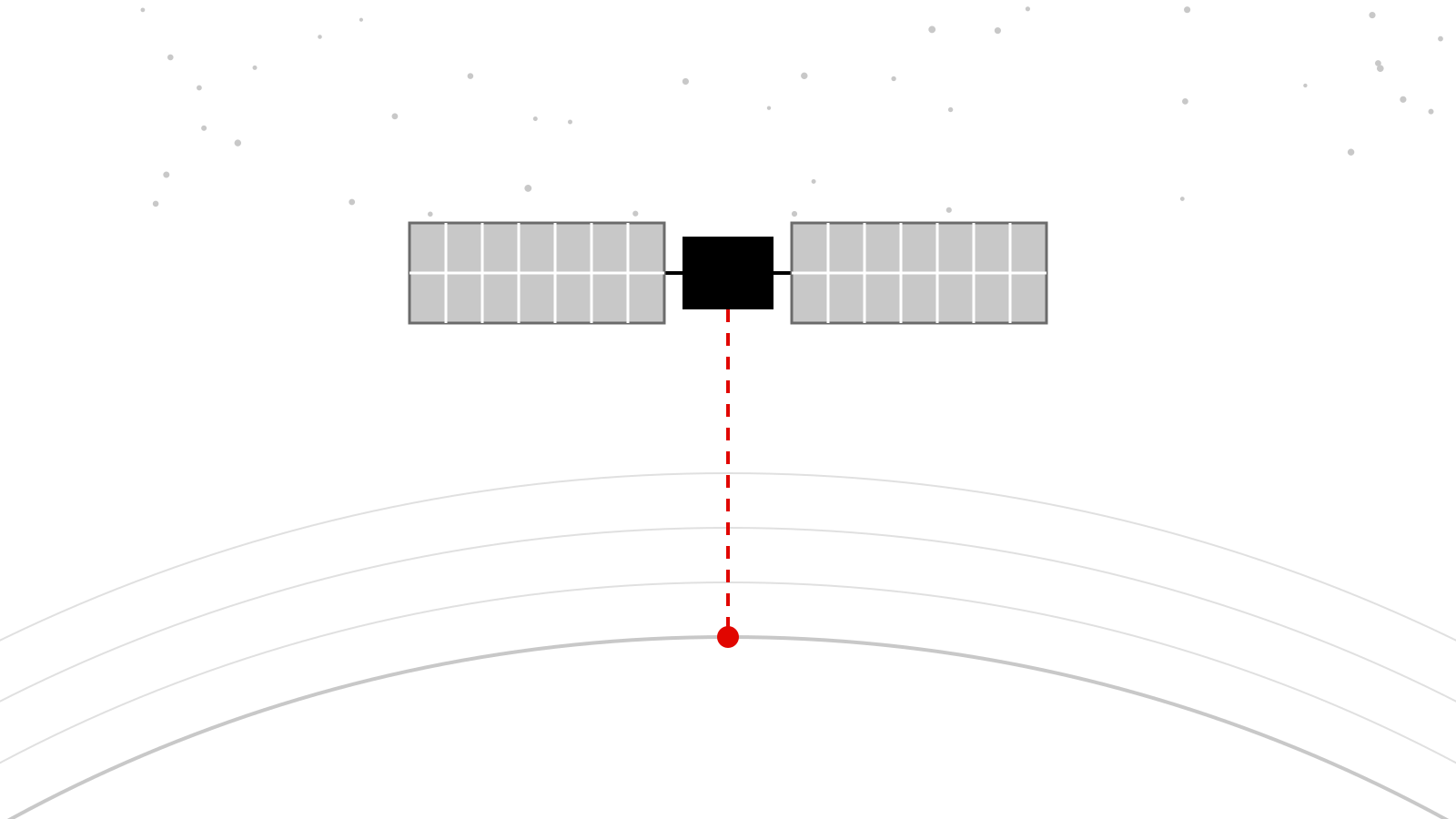
Google has received its first answer from an AI chip in space. On 30 October, the company said its Project Suncatcher prototype satellite, launched on 1 October, had completed its first checks and run an AI model on a data-centre-class TPU, the same family of chips Google uses on the ground.
The test
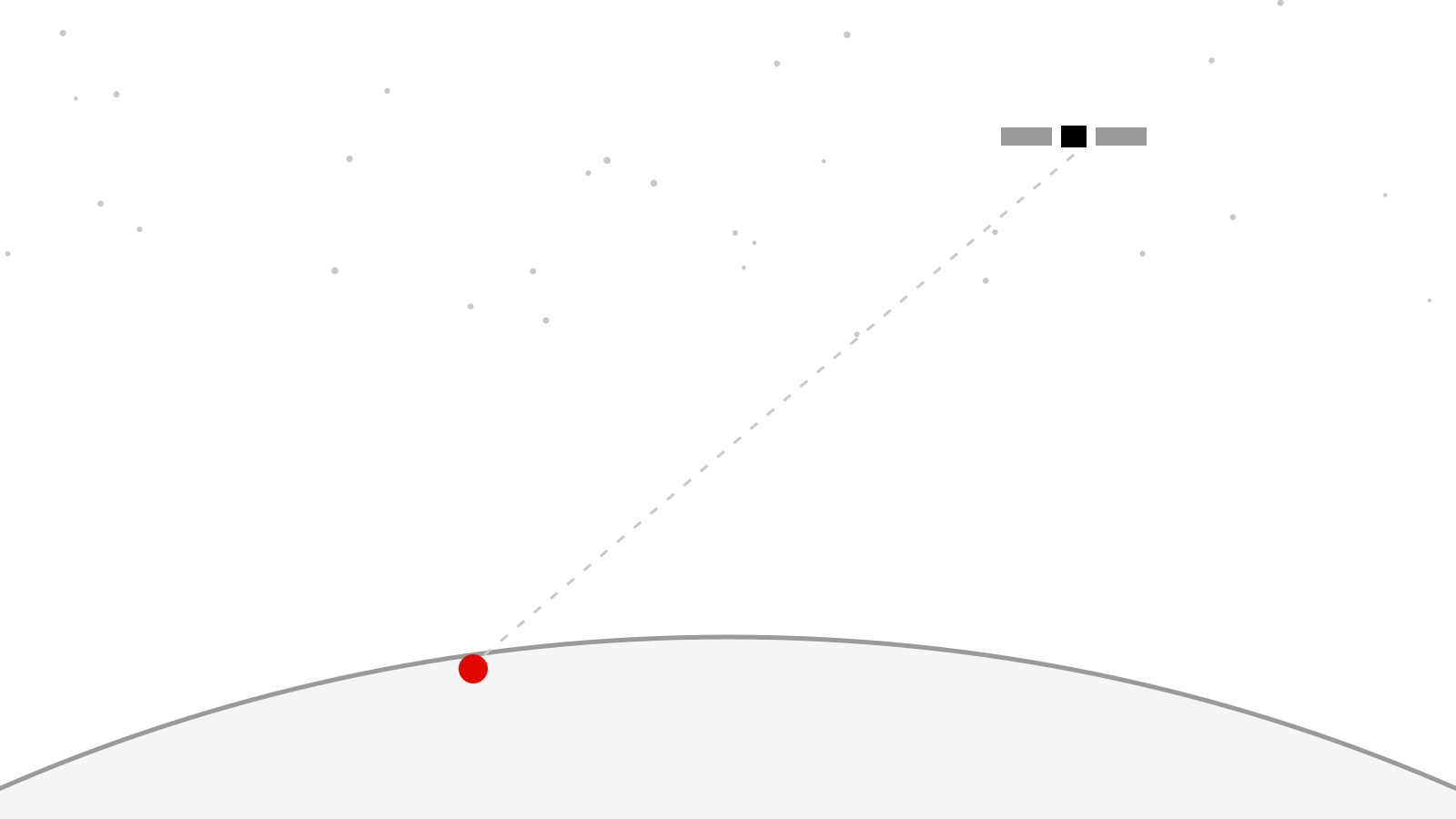
During a pass over a ground station, the team uploaded a prompt asking Gemma 4, Google’s open model, to write a haiku about being in space. The reply came back as the satellite passed over Svalbard in Norway: “Blue marble below / Data streams in silent grace / Starlight feeds my core.” The team then tried space-themed limericks and prompts that reported on the status of the satellite’s systems.
“Our chips have officially earned their space wings — an important achievement on the long road ahead for this cosmic moonshot,” wrote Travis Beals, a senior director at Google Research, in the announcement. SpaceNews reports that the spacecraft was built by Planet, the satellite imaging company.
Why put AI chips in orbit
When Google announced Suncatcher in November 2025, it described a future in which fleets of solar-powered satellites carrying TPUs work together as a data centre. Its own design paper listed what stands in the way: keeping chips cool in a vacuum, linking satellites at tens of terabits per second, reliability in orbit, and launch costs, which it estimated would need to fall below about $200 per kilogram, possibly by the mid-2030s.
What comes next
The next tests will check how the TPUs cope with heat and radiation in orbit. Google’s ground tests in 2025 found its Trillium chips “surprisingly radiation-hard”, but space is the real test. The next milestone is two linked satellites in 2027. A haiku proves the chip works up there; it says nothing yet about whether space can compete with data centres on Earth on cost.