 By Roman Aglaganov
Is that photo real? For a growing share of what we see online, the honest answer is “no idea”. On 7 October, Google opened its SynthID Detector to everyone, available globally in English, so anyone can check a file for one particular kind of AI fingerprint.
How it works
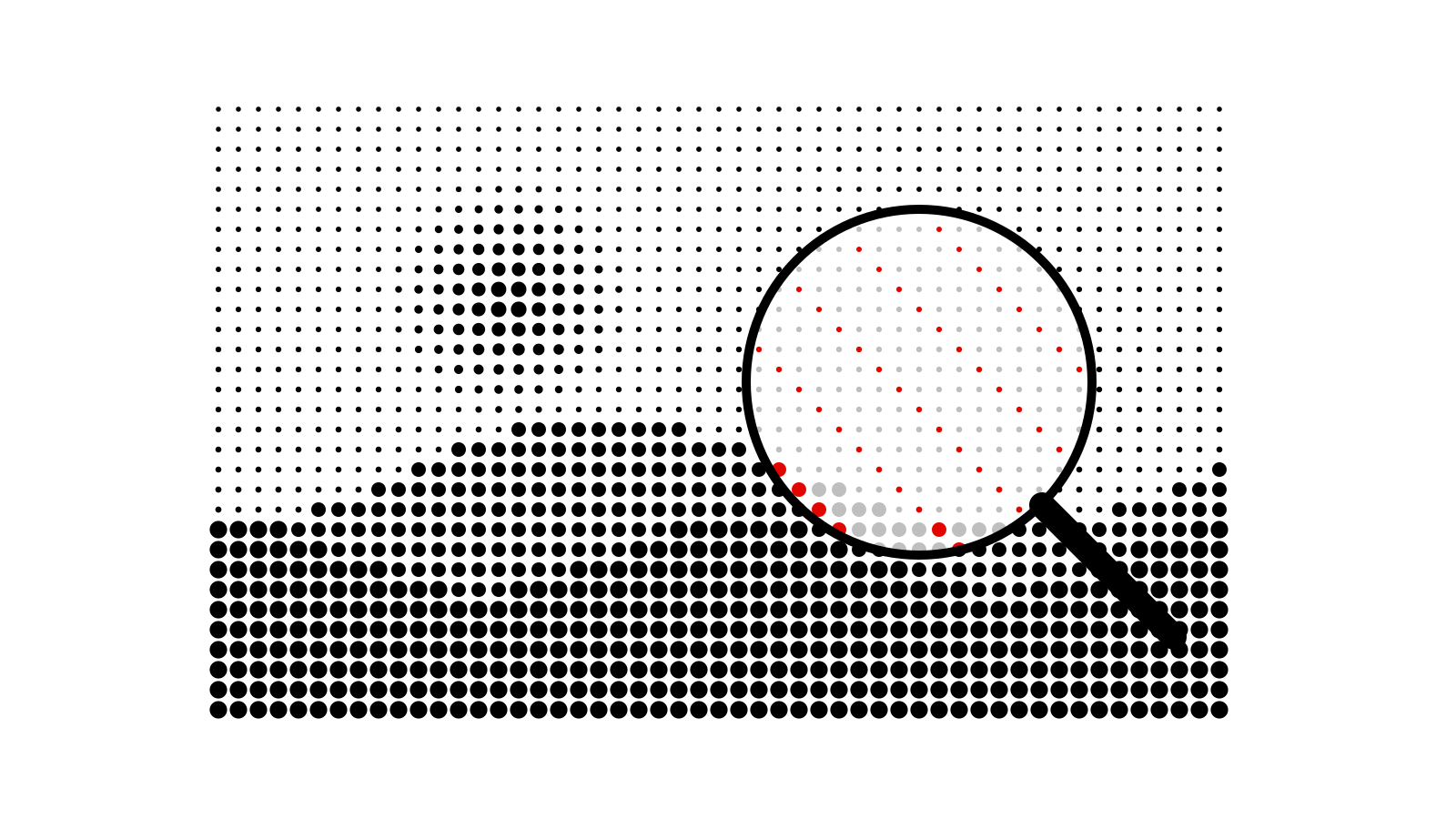
SynthID, launched by Google DeepMind in 2023, hides an imperceptible watermark in images, video and audio as they are generated. People cannot see or hear it, but software can find it. Google says it has watermarked more than 180 billion images and videos and 240,000 years of audio so far.
The detector checks a file for that watermark. It now covers content made with AI from Google and from partners that use SynthID, including OpenAI, NVIDIA and Kakao, with Apple to follow. Last year an early version was aimed at media professionals; now anyone can use it. The same checks are built into Google Search, the Gemini app and Chrome, which Google says handle more than a million requests a day.
What it cannot tell you
No watermark is not proof: a picture made with a tool that does not use SynthID will pass as clean. The detector can tell you a file was made with a participating AI; it cannot tell you a file is real.
It is one signal among several: context still matters. Where did the image first appear? Who is sharing it, and why? Does anything else confirm it?
Still, the direction is right. Watermarks only work if checking them is easy, and a free public detector backed by several of the biggest AI makers is a real step towards that.