 By Roman Aglaganov
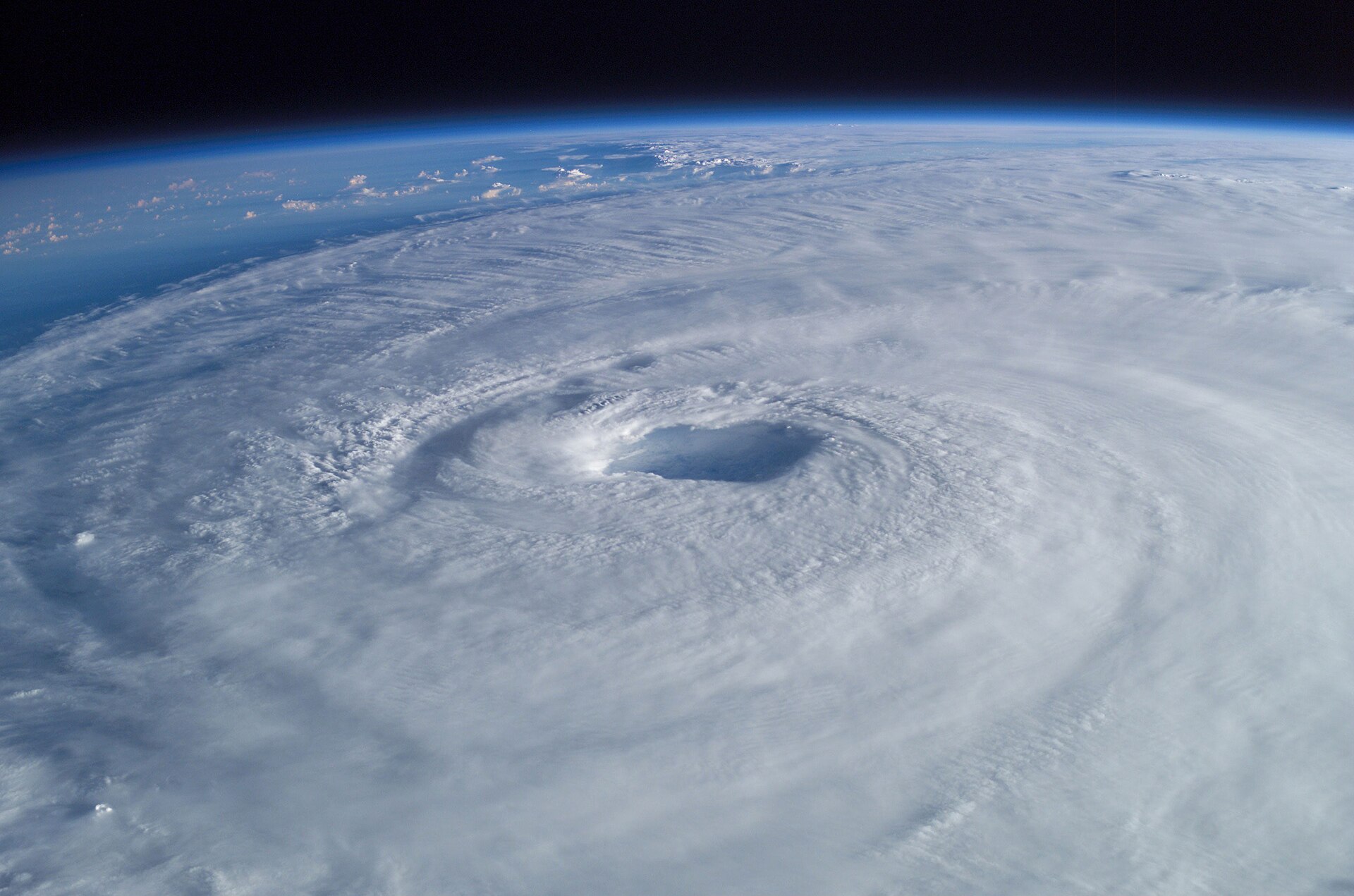
Weather forecasting is one of the quiet triumphs of science. Modern forecasts solve the equations of physics for the whole atmosphere on some of the biggest supercomputers on Earth. They are remarkably good, and very expensive.
Learning the weather instead of calculating it
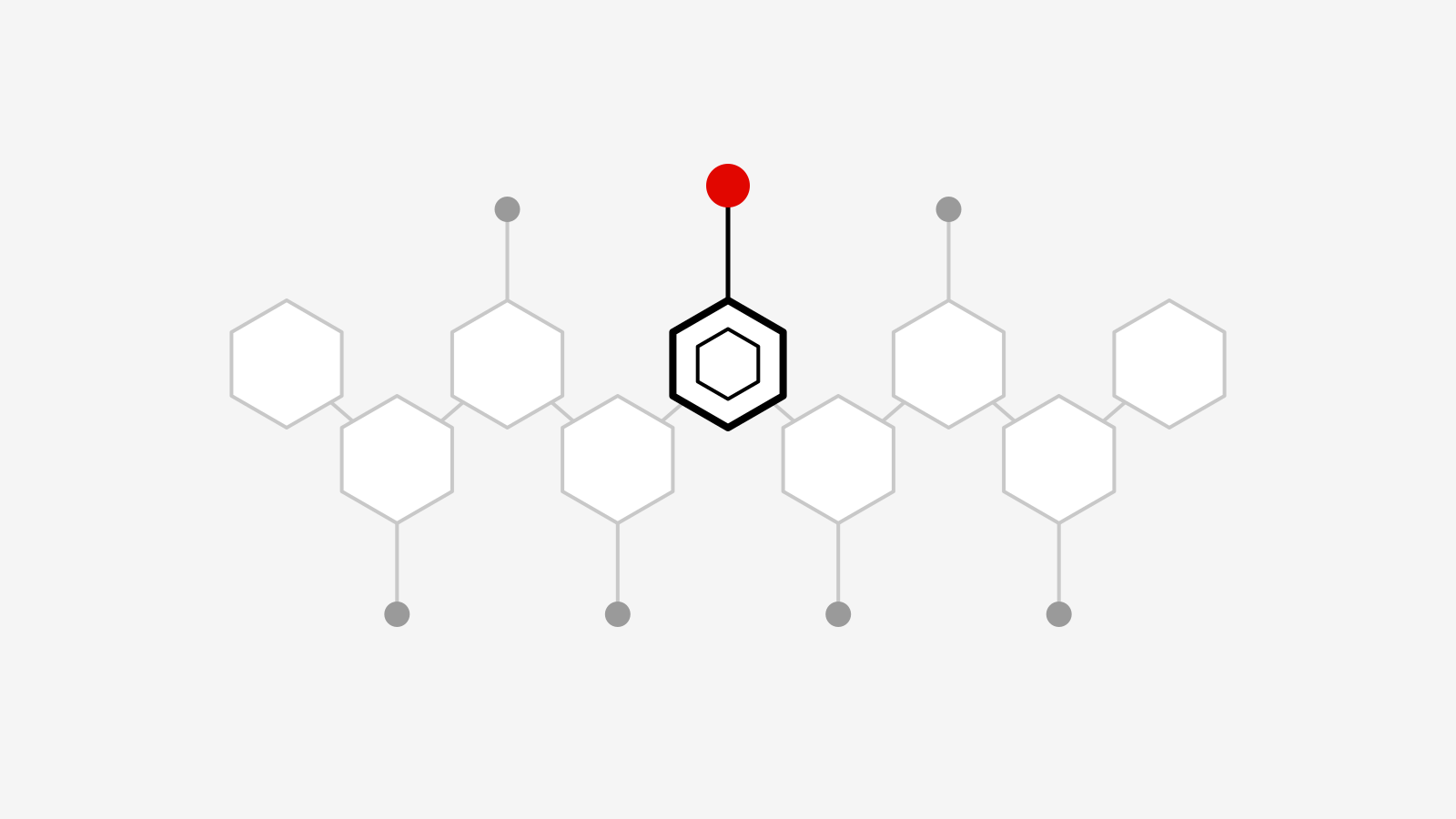
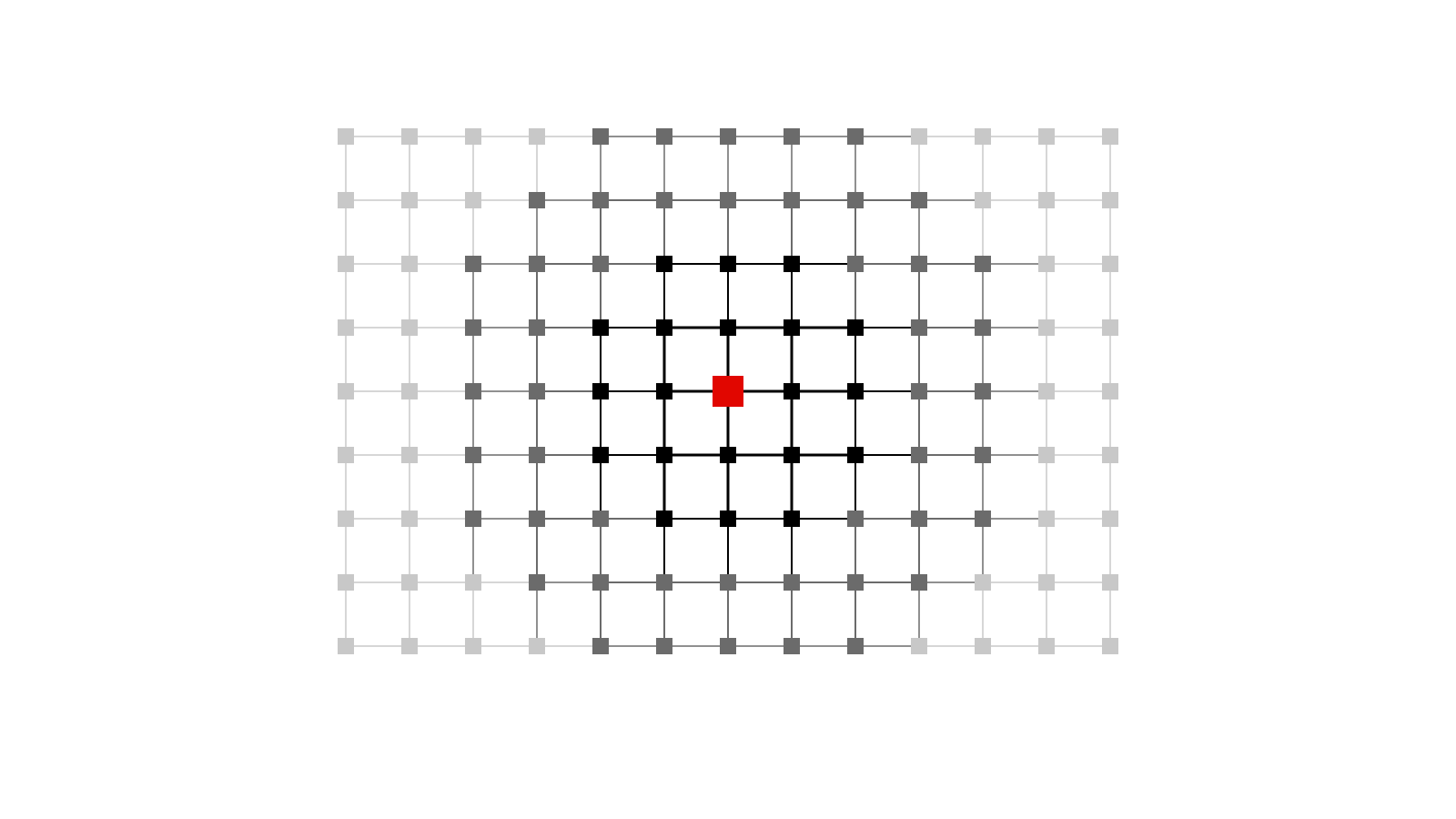
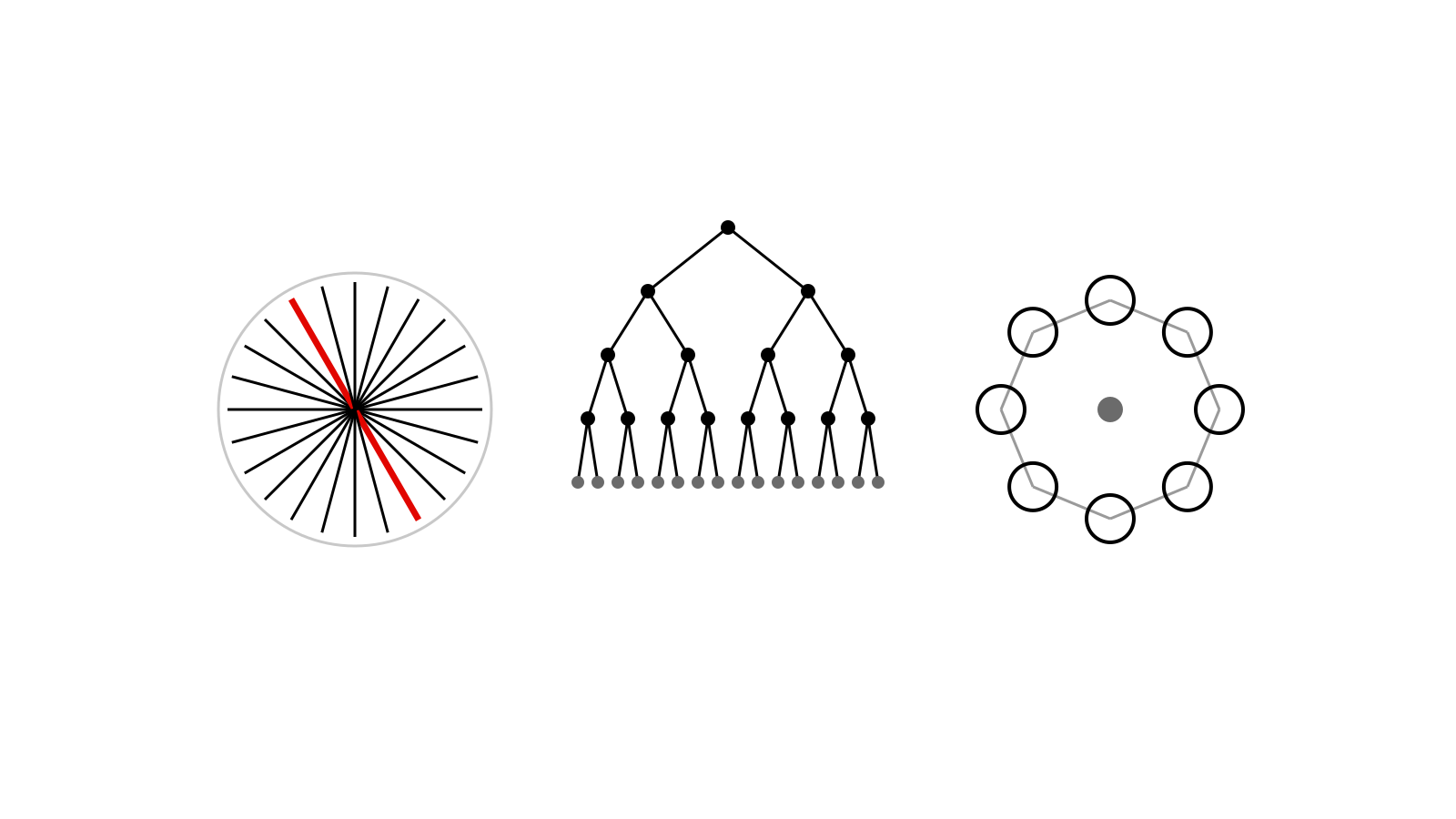
GraphCast, from Google DeepMind, takes a different approach. Instead of solving physics equations, it learned how weather evolves from decades of historical weather data: given the state of the atmosphere now and six hours ago, it predicts what comes next, then repeats the step to look further ahead.
The result, published in Science in November 2023, was startling. A 10-day forecast takes GraphCast less than a minute on a single Google TPU machine. A conventional forecast of the same kind takes hours on a supercomputer with hundreds of machines.
Is it any good?
DeepMind compared it with HRES, the high-resolution forecast from the European Centre for Medium-Range Weather Forecasts (ECMWF), widely regarded as the best in the world. GraphCast was more accurate on more than 90% of the 1,380 variables and lead times tested.
The real-world moment came in September 2023. A version of GraphCast running on ECMWF’s website predicted about nine days ahead that Hurricane Lee would make landfall in Nova Scotia. Traditional forecasts only locked onto Nova Scotia about six days ahead. Three extra days is a lot of time to prepare.
The catch
GraphCast learned from data produced by traditional weather models and observations, so it does not replace them; it stands on their shoulders. The future looks like AI and physics side by side, each checking the other. For once, a sunny outlook may be the accurate one.