 By Roman Aglaganov
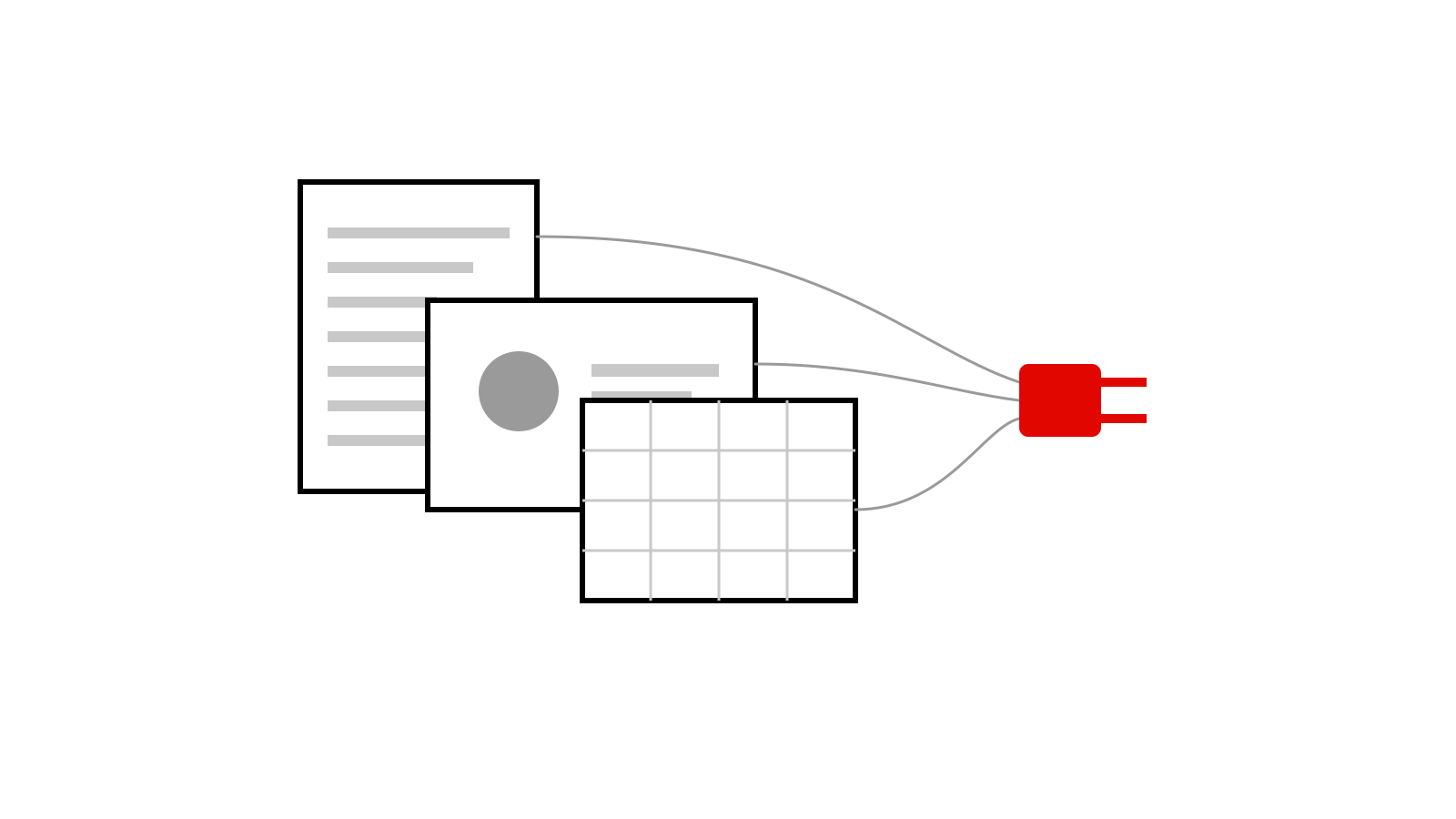
In February 2024, Klarna, the Swedish buy-now-pay-later company, published a press release that every chief executive seemed to read. Its new AI assistant, built with OpenAI, had been live for a month.
The numbers
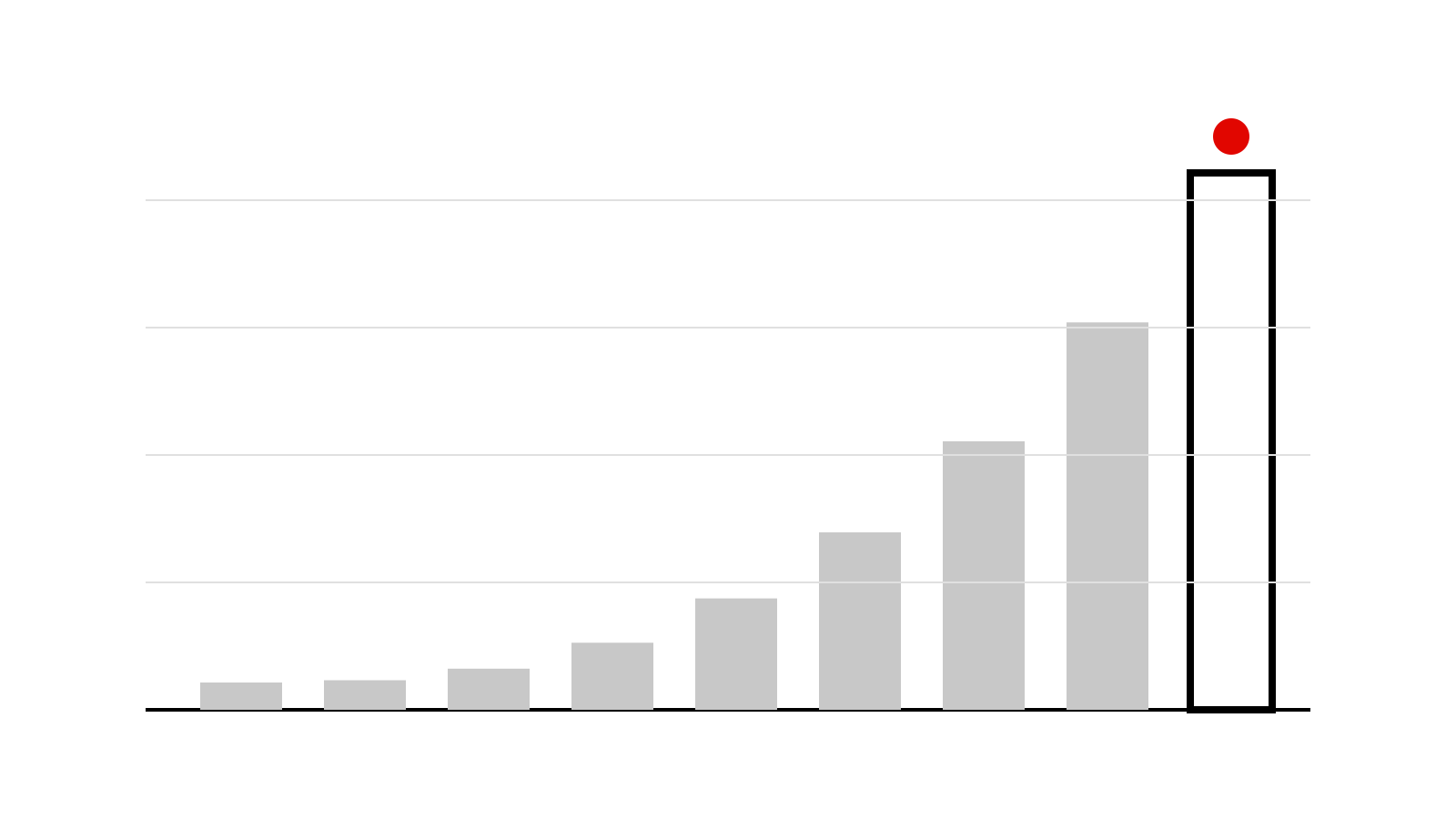
2.3 million conversations: two-thirds of all Klarna’s customer service chats.
700 full-time agents: the amount of work Klarna said it was doing.
2 minutes instead of 11: the time customers needed to sort out their issue.
35+ languages, 24/7: and, Klarna estimated, $40 million in extra profit for 2024.
Klarna also said customer satisfaction was on par with human agents and repeat enquiries had dropped by 25%. Overnight, it became the example in every conversation about AI and jobs.
The workforce
Klarna’s total headcount fell from about 5,500 in 2022 to about 2,900 by 2025. The company said this came mostly from natural attrition, by not replacing people who left, rather than mass layoffs, with technology taking over some tasks.
The twist
By 2025, Klarna had started rehiring some human customer service staff. The poster child for replacing people with AI turned out to need some people after all.
The lesson: AI really can handle the bulk of routine questions, such as where is my refund or how do I change my payment date. But the hard, emotional and unusual cases are where customers decide whether they trust a company, and that is where people still make the difference. The smartest set-up is not AI or humans, but AI that knows when to hand over.