 By Roman Aglaganov
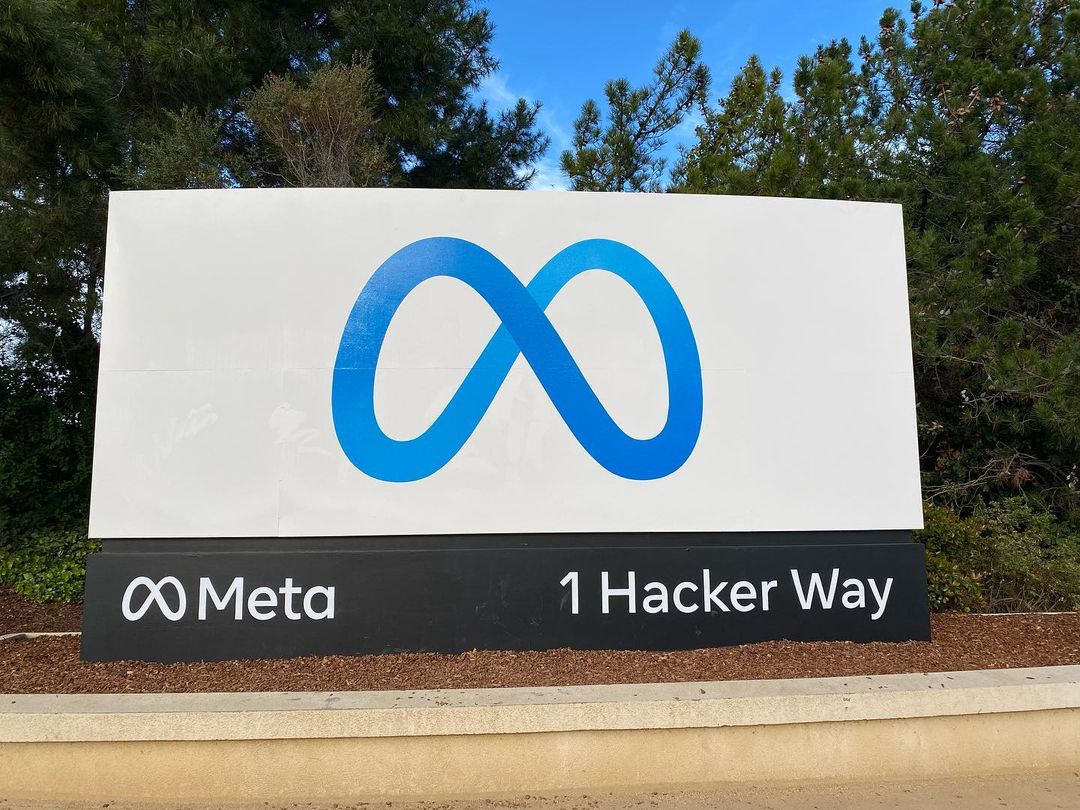
Most companies hire by posting a job ad. In 2025, Meta hired by spending more than $14 billion.
The trigger
Meta had been the champion of open-weight AI with its Llama models. But according to Bloomberg, Mark Zuckerberg was unhappy with Llama 4, released in April 2025. Meta’s response was to go shopping, both for companies and for people.
The deal
In June 2025, Meta invested in Scale AI, the company that supplies much of the labelled data and human feedback used to train AI models, in a deal that valued Scale at over $29 billion. Meta took a 49% non-voting stake for more than $14 billion, and Scale’s founder, Alexandr Wang, left to join Meta. He became Chief AI Officer leading a new division, Meta Superintelligence Labs, with former GitHub CEO Nat Friedman also on board.
Meta had reportedly also tried to buy other AI start-ups, including Safe Superintelligence, Thinking Machines Lab and Perplexity, without success. Zuckerberg reportedly set up a group chat with his leadership to recruit researchers and invited some of them to his homes in Lake Tahoe and Palo Alto. The New York Times reported offers worth up to $100 million, which made top AI researchers about as expensive as star footballers.
Why talent costs so much
Training a frontier model costs billions in chips and electricity, and a few hundred people know how to do it well. When a wrong design choice can waste a training run worth hundreds of millions, paying a fortune for someone who knows which choice to make starts to look cheap. The same logic drove a wave of “acqui-hires”, where big tech companies license a start-up’s technology and hire its leaders rather than buying it outright.
The aftermath: the shake-up had its casualties. Yann LeCun, Meta’s chief AI scientist and a Turing Award winner, left in late 2025 to found his own start-up. Meta Superintelligence Labs released its first major model, Muse Spark, in July 2026.