By Roman Aglaganov
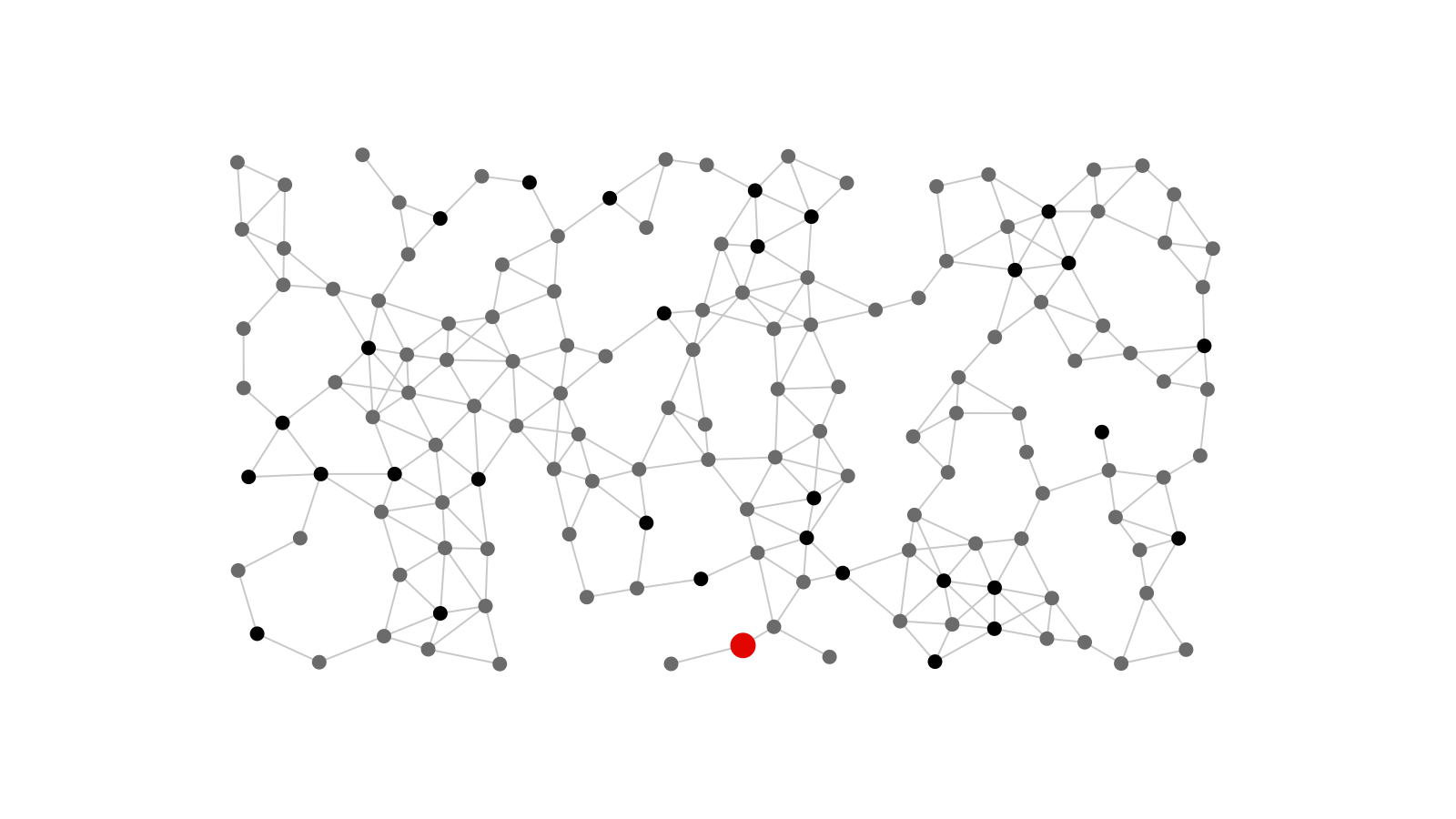
Most multi-agent systems have a manager: one agent breaks the job down and hands out tasks. Agensh, released by Microsoft Research on 24 October under the MIT licence, has none. Every worker gets the same prompt, apart from its ID, and the team organises itself.
How it works
Workers gather context, claim a sub-task, do it, check the result and merge it, all at their own pace. They coordinate the way a human software team might: through a shared Git workspace (Gitea), a chat system (Mattermost) and a shared board of what has been learned. Each agent runs on top of the GitHub Copilot harness.
The results
The researchers tested it on the five hardest tasks in ProgramBench, where agents must rebuild a program from its documentation and observed behaviour, with six hours and no internet. Using OpenAI’s GPT-5.6-sol, the average share of tests passed rose from 19.31% with one agent to 28.78% with 128.
The headline figure comes from one task, rebuilding Pandoc, the document converter: 33.89% of tests passed with one agent, 50.94% with 128 and 55.06% with 1,024. With the newer GPT-6.1-sol, 32 agents reached 79.59%, up from 56.19% for one. Larger teams also got to a given score sooner.
Why it matters
The result suggests that agent teams can scale the way human organisations do, by sharing tools and conventions rather than routing everything through one coordinator. The gains are real but shrink as teams grow: going from 128 agents to 1,024 added only about four points on Pandoc. The 1,024-agent result is reported for Pandoc only, and running a thousand agents for six hours is not cheap. Those are the questions for anyone hoping to use this beyond research.