 By Roman Aglaganov
Meta says it is building “personal superintelligence”. On 12 October its Superintelligence Lab released the first models that could plausibly compete at the top: Muse Wonder and the larger Muse Wonder Full. TechCrunch calls them Meta’s first attempt at a frontier model.
What is new
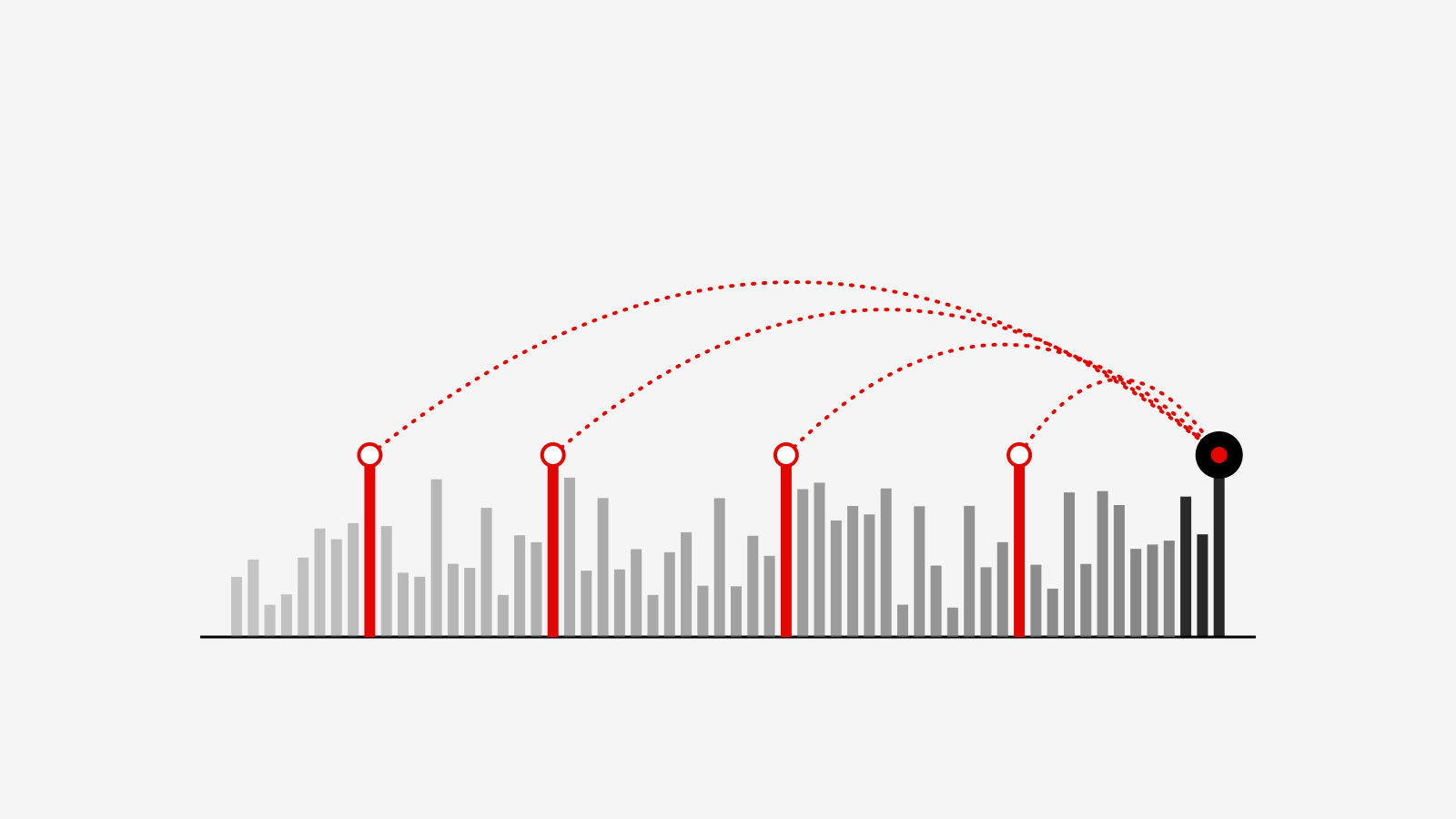
Memory: Meta’s headline feature is what it calls “active memory”: keeping track of what matters to you over days, weeks and months. On MemoryBench, a test of long-term memory, Meta says Wonder beats Anthropic’s Fable and Opus and OpenAI’s GPT-6 Astra. On other benchmarks Meta reports scores comparable to Fable 5.1 and Astra. These are Meta’s own tests.
Agents that do not give up: Alexandr Wang, Meta’s AI chief, told CNBC the model was trained to try other approaches when a real-world task hits a roadblock, such as booking a dinner reservation, instead of stalling and asking the user.
Training: both models were trained at Meta’s Prometheus data centre in Ohio, which came online this year.
Who gets it, and at what price
Muse app: to use Wonder in Meta’s Muse personal agent, you need a $20 or $100 monthly plan.
Developers: Wonder is on the Meta Model API at $4 per million input tokens and $20 per million output tokens, roughly level with GPT-6 Sol or Claude Opus 5.5, according to TechCrunch.
Wonder Full: only for subscribers to Muse Code, Meta’s coding agent, at $50 or $200 a month. It is not on the API.
Meta said nothing about downloadable weights, ITdaily notes, a sharp break from the openly released Llama models that made its name in AI.
The trust question
Memory and agents are a powerful mix, and a sensitive one. Some Muse users have complained on social media that the agent read personal messages without permission. Meta disputes this; Wang told CNBC that users may have authorised access earlier in a conversation and then forgotten. An assistant built to remember everything will need to be very clear about what it has been allowed to do.