By Roman Aglaganov
Nvidia has released a new set of open models in its Nemotron family, aimed at AI agents that run all day, either in a company’s data centre or on a single PC. It announced them on 15 October; two are available now and the third arrives on 23 October.
Three sizes
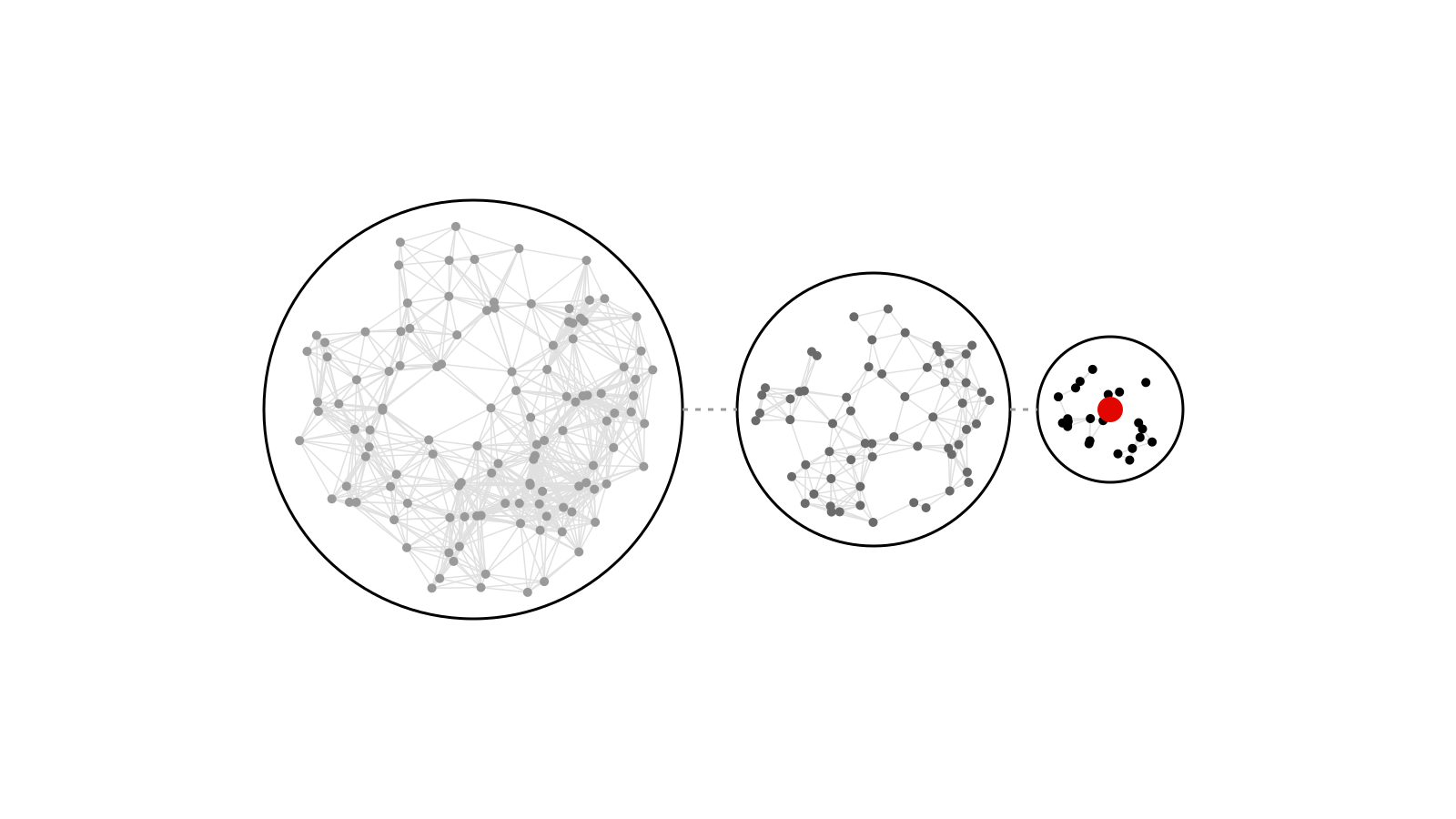
Nemotron 3.5 Super VL: 120 billion parameters, for business agents that follow instructions, use tools and read documents, tables and charts. Nvidia says it matches its largest reasoning model at about a fifth of the size, and is up to five times faster than others in its class. Companies can post-train it on their own data and keep it on their own servers.
Nemotron 3.5 Bolt 74B-A9B: a 74-billion-parameter model squeezed into 24 GB of memory with 2-bit quantisation, for local agent work such as web research, writing and debugging code. It is built for the new RTX Spark laptops.
Nemotron 3.5 Bolt E4B: a 4 GB model for voice assistants, interactive characters and devices, due on 23 October.
The weights, datasets and training recipes are open. The speed and accuracy figures are Nvidia’s own; TechCrunch noted that its comparisons with Anthropic and OpenAI models apply when Super VL has been post-trained for a specific task.
Who is using it
Nvidia names Perplexity, Salesforce, CrowdStrike, Atlassian and Ramp among the companies integrating or customising Super VL. Its vice-president for open models, Kari Briski, said PC users “can delegate everyday projects … without sending those workloads to the cloud.”
Why it matters
Nvidia sells the chips; giving away good models gives people a reason to buy them, especially now that the big labs are increasingly using chips from Amazon, Cerebras and their own designs. For companies, an open model that can be tuned and kept in-house answers the two questions that slow agent projects down most: what does it cost, and where does our data go?