 By Roman Aglaganov
This week OpenAI published hundreds of AI-written manuscripts claiming progress on famous open problems, from a claimed proof of the Unique Games Conjecture to faster algorithms for the Fourier transform. If even a fraction hold up, it is an extraordinary moment. I want to be excited about it. I also want to be careful, and the release itself gives good reasons why.
The case for caution
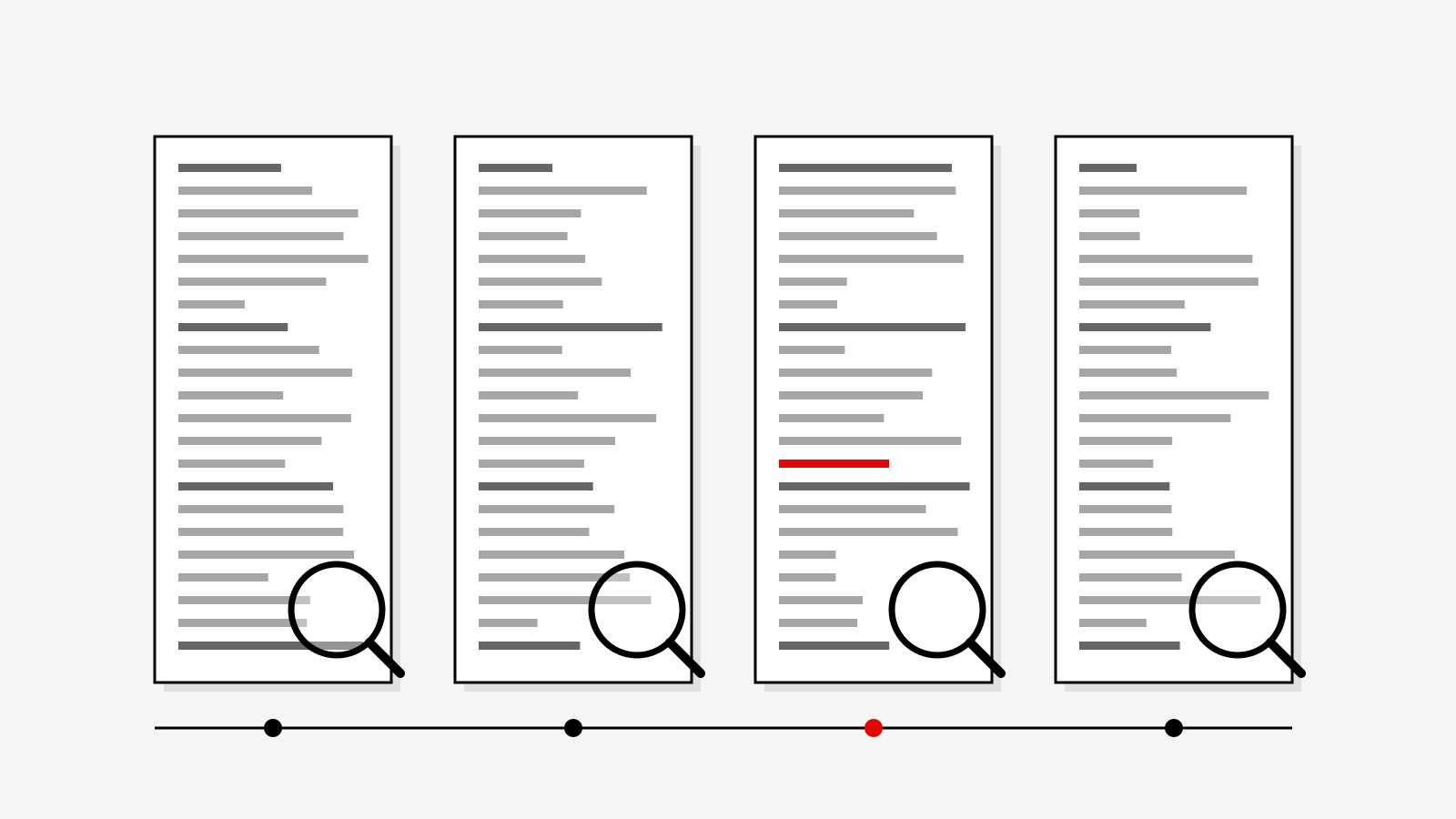
Errors are already turning up: on 7 October, a day after the release, OpenAI withdrew three manuscripts because a sign error broke one argument that two others relied on, and revised 14 more. Correcting quickly is good practice, but it shows the collection was not as finished as its headlines.
Most of it is not machine-checked: about 42% of top-line results have Lean formalisations, which are strong evidence. The rest depend on the model’s word, and OpenAI’s own README warns that some could have issues.
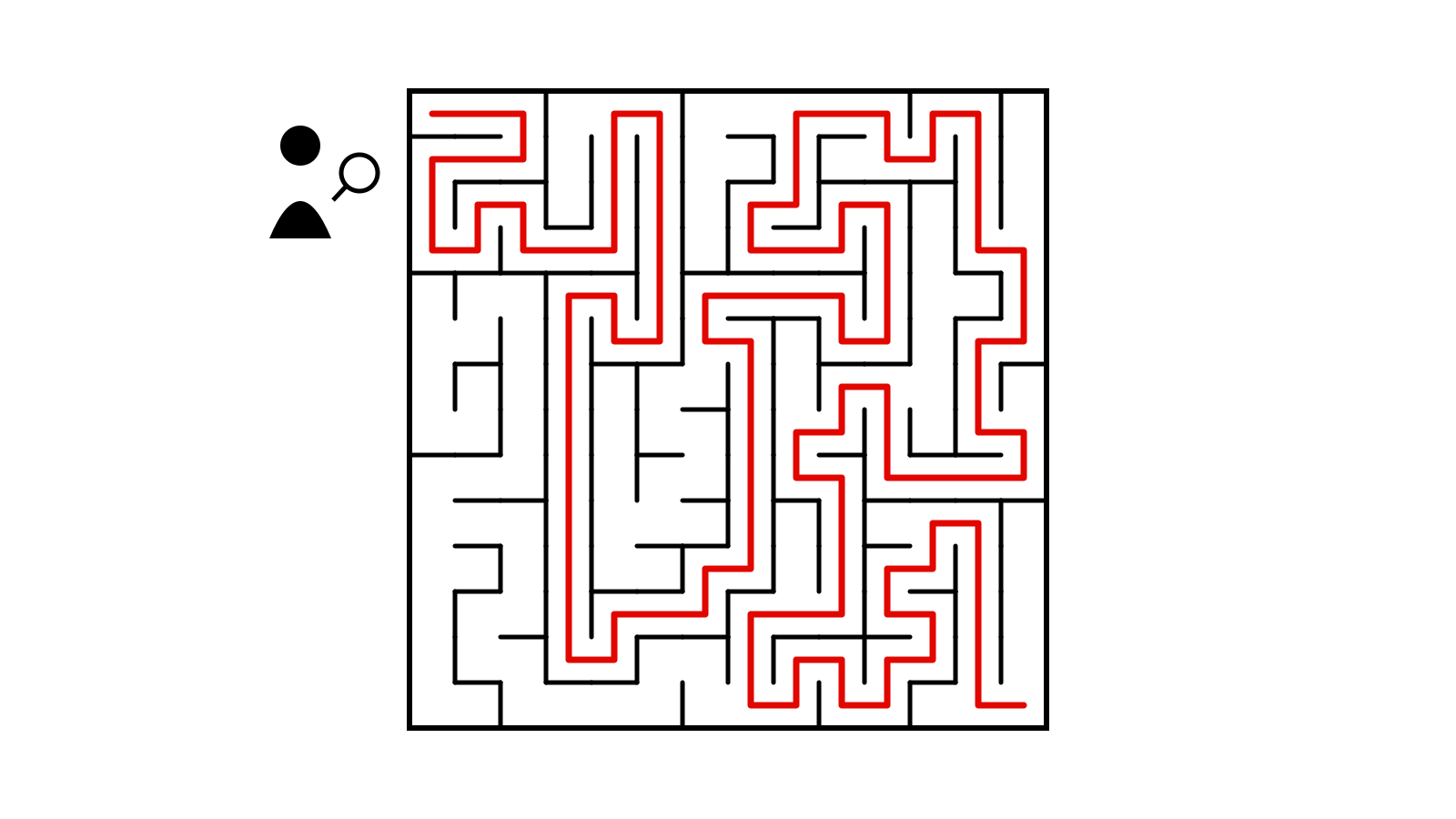
Hardly anyone has read it yet: the computer scientist Dana Moshkovitz, reading the claimed Unique Games proof, said it was so badly written it was impossible to read without AI help, according to her husband Scott Aaronson’s blog. Aaronson himself noted that almost none of the proofs had been understood by a human.
Why understanding matters
A proof is not just a certificate that something is true. It is an explanation that lets other people build on it. A Lean-checked proof nobody understands tells us a statement is true, but not yet why, and the “why” is where the next results come from. Aaronson makes the same point: keep human understanding at the centre.
None of this means mathematicians should ignore AI results, and Aaronson is right that “no one asked for this” is not an argument. Problems are there for anyone to solve. But claims this big deserve the normal standards: formal checks, readable write-ups and, ideally, enough information about the model and prompts for others to reproduce them.
My view
Call the verified results verified, the readable ones read, and the rest promising. That is not cynicism about AI. It is how mathematics has always treated big claims, including from humans, and it is the fastest way to find out which of these 700 papers really changed the field.