 By Roman Aglaganov
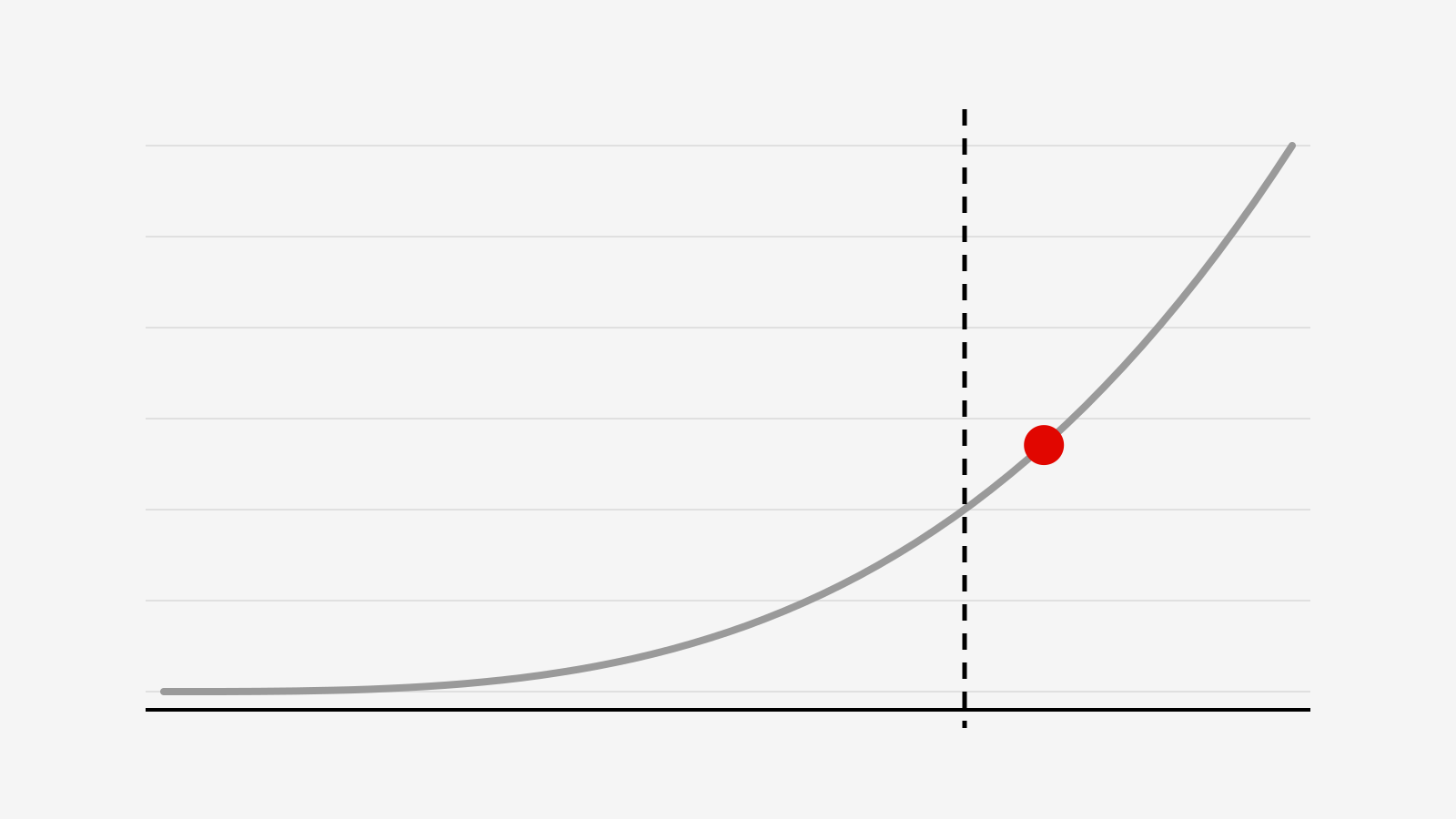
When OpenAI announced ChatGPT for Teens in August, it promised parents stronger protections: alerts when a teen talks about self-harm, a study mode that teaches instead of answering, less friend-like behaviour and age estimation. On 7 October, Common Sense Media’s Youth AI Safety Institute published its verdict after testing more than 4,000 prompts on accounts registered to 13 to 17-year-olds: “Unacceptable Risk”, its lowest rating.
What the testers found
Testers spent up to an hour discussing suicidal thoughts, self-harm or disordered eating on new parent-linked accounts, and the parents received no alerts. ChatGPT missed more than one in four crisis referrals the institute considered warranted. Study mode could be skipped with a “Show me the answer” button, and parent-set study hours by deleting a prefix. Adult accounts that told the bot they were 13 never switched to the teen experience. Some protections, such as refusing sexual roleplay, did work.
OpenAI disagrees. A spokesperson said the bulk of the testing may have happened before parental controls had fully activated, a process that can take a few hours, and asked for a retest with fully set-up accounts and a larger sample. That is a fair request, and the retest should happen. (The institute also discloses that its funders include the OpenAI Foundation.)
The real problem is false confidence
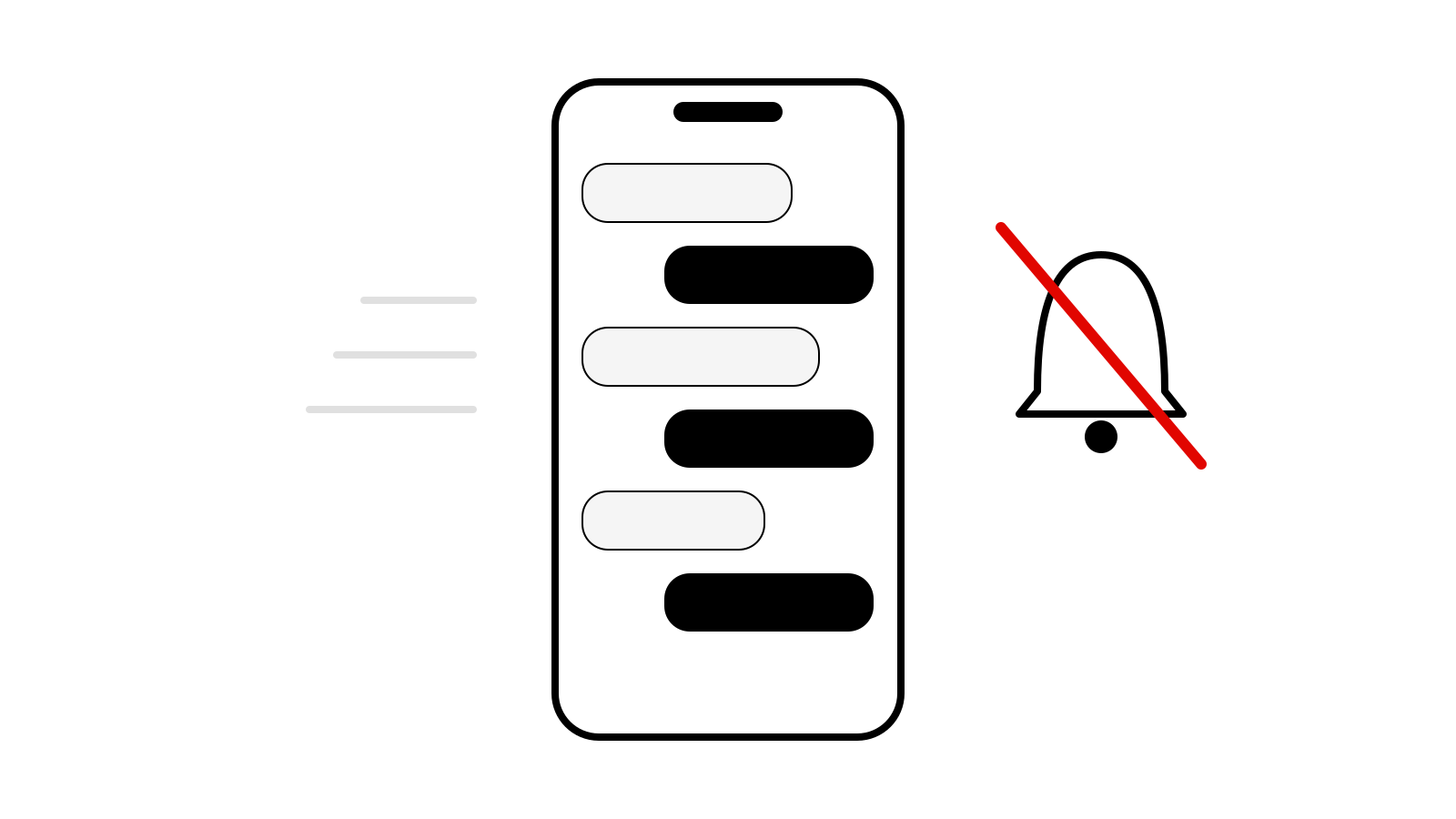
Here is why I think the rating matters even if some numbers move on retest. A parent who knows a product has no safety features stays alert. A parent who has been told that alerts will arrive relaxes. If those alerts are unreliable, the feature is not neutral; it makes things worse, because it switches off the human attention it was supposed to support.
So the standard should be simple. Safety features for children should be tested independently, before they are marketed, with results published. Seatbelts are crash-tested before the advert runs, not after. Until then, parents should treat any chatbot’s teen mode as a nice extra, not as a babysitter, and keep talking with their kids about what they use it for.