 By Roman Aglaganov
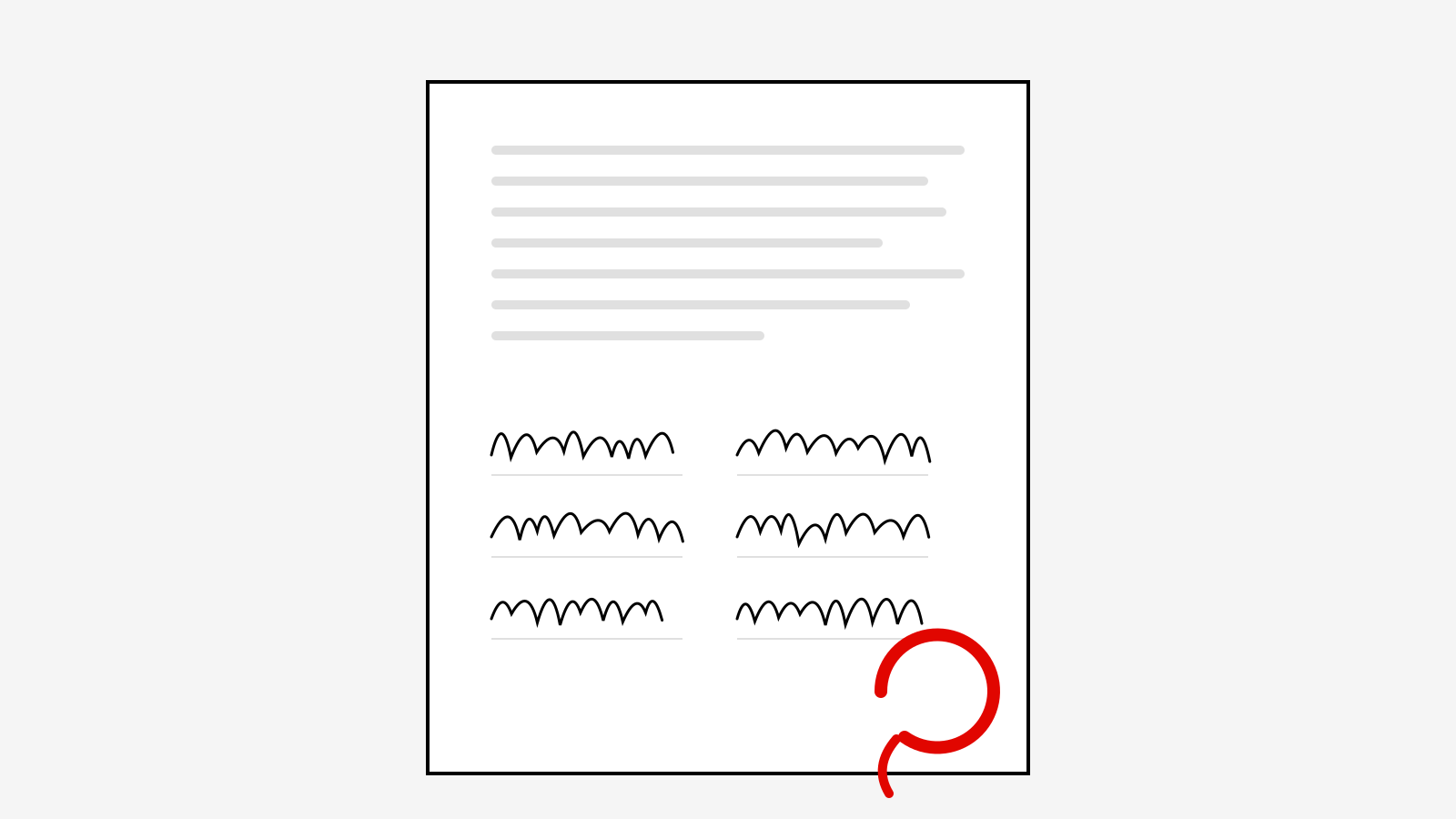
On 29 September, at the White House, President Trump and six AI leaders signed the “White House Accord on Super Intelligence: Joint Commitment on Frontier Responsibilities”: Sundar Pichai of Google, Dario Amodei of Anthropic, Mark Zuckerberg of Meta, Greg Brockman of OpenAI, Jensen Huang of Nvidia, and Elon Musk. The president called it “morally binding”.
What it says
The companies agree they are responsible for the safety of their own technology. They will build safeguards so models work as intended, find and fix problems quickly, and work with independent auditors to check that their systems do not reach into other technical systems in unintended ways. What the accord does not include is any consequence for breaking it.
Six days later, in Oxford, the UN High Commissioner for Human Rights, Volker Türk, warned that the world is running out of time to put guardrails on AI. He called for mandatory human rights safeguards and due diligence, and said: “We can no longer afford to wait or rely on goodwill.”
Promises are a start
I do not think the accord is worthless. Getting the six most powerful people in AI to sign the same page, accepting responsibility for safety and outside audits, is more than we had. Commitments can become the baseline that later laws write down.
But a promise you mark yourself is not oversight. Every other high-risk industry learned this: airlines, drug makers and banks all have safety rules with inspectors and penalties, because good intentions bend under commercial pressure. And AI is in what Türk calls a “ruthless race” between companies and countries. That is exactly when voluntary rules get quietly reinterpreted.
What would make it real
Publish the audits: if independent auditors check these systems, their findings, or at least summaries, should be public.
Define the failures: say in advance what counts as breaking the accord, and what happens then.
Put it in law: the parts everyone already agrees on should be the easiest to legislate. If they are truly binding morally, making them binding legally should cost nothing.