 By Roman Aglaganov
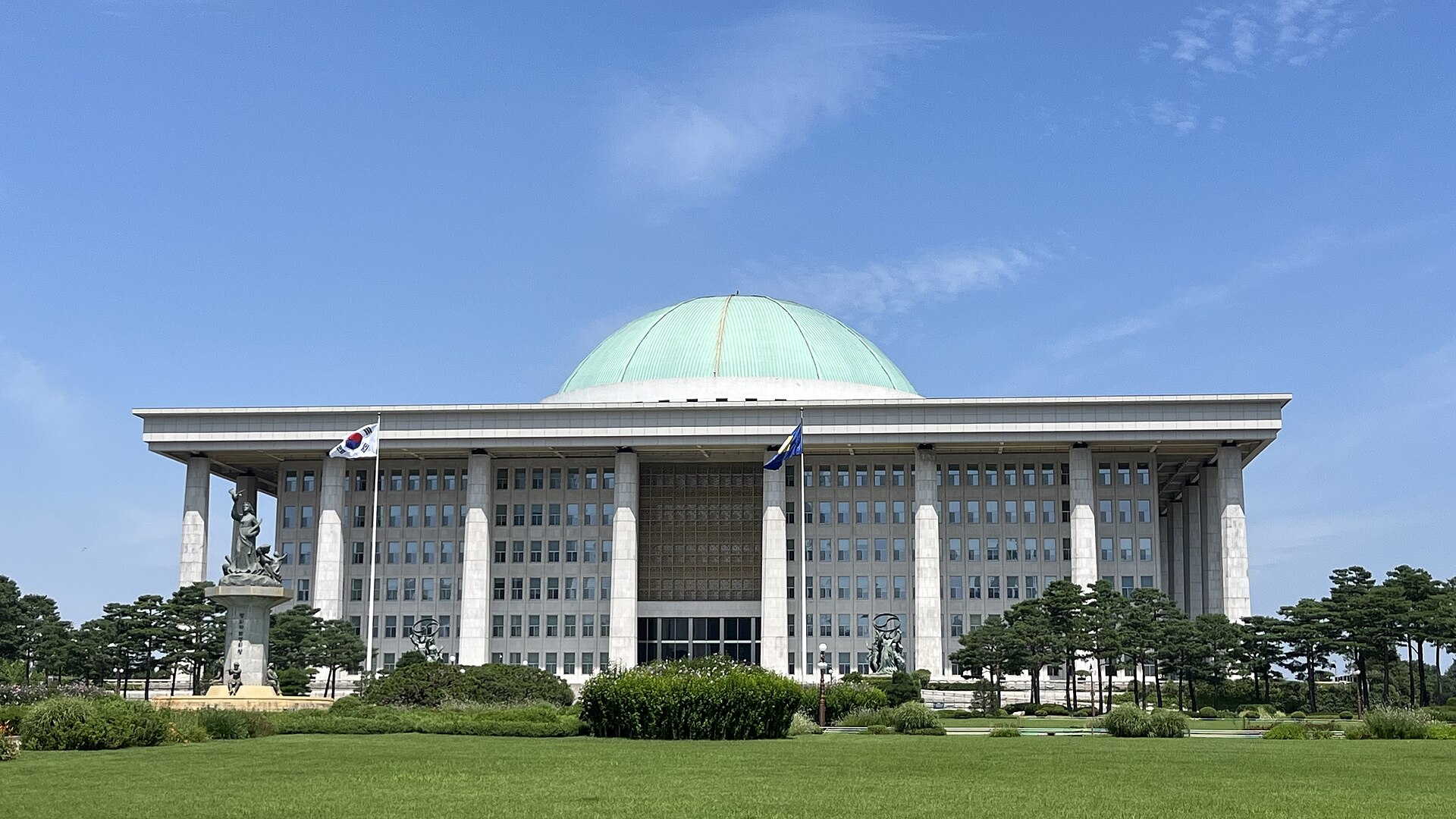
When people talk about AI regulation, they usually mean the European Union. But in December 2024, South Korea passed a law with an impressive name, the Act on the Development of Artificial Intelligence and Establishment of Trust, better known as the AI Basic Act, making it the second jurisdiction after the EU to adopt a comprehensive AI framework. It took effect in January 2026.
Half promotion, half rules
The first thing to notice is how much of the law is about growing AI rather than restraining it. It sets up a national AI “control tower” to coordinate policy, an AI safety institute, and government support for research, standards, training data, data centres, start-ups and AI talent. South Korea is home to major chip makers and tech companies, and the law reads partly as an industrial strategy.
What companies have to do
The rules focus on two groups: “high-impact” AI, used in areas where it can seriously affect people’s lives or safety, and generative AI.
Risk management: businesses developing or deploying high-impact AI must assess risks and put safety measures in place.
Transparency: people should be told when they are dealing with generative AI, and AI-generated content should be identifiable as such.
A local contact: foreign AI companies above certain thresholds must designate a representative in Korea, so the government has someone to call.
Lighter than Brussels
Compared with the EU AI Act, Korea’s law has no list of banned AI practices and much smaller penalties, and much of the detail was left to regulations written by the Ministry of Science and ICT, which has said it wants to keep regulation to a minimum. Critics say it is vague; supporters say it leaves room to adjust as the technology changes.
Why it matters: countries are now choosing between models of AI governance: the EU’s detailed rulebook, America’s mostly hands-off approach with state laws, China’s content-focused rules, and Korea’s promote-first framework. Other Asian governments are watching which one works.