 By Roman Aglaganov
Elon Musk said on X on Sunday 25 October that SpaceX had closed $40 billion in debt financing to buy graphics processors (GPUs), the chips that run AI. In a regulatory filing on Monday, SpaceX said it had signed a binding commitment with an entity managed by Apollo for roughly $40 billion in GPU financing.
The deal
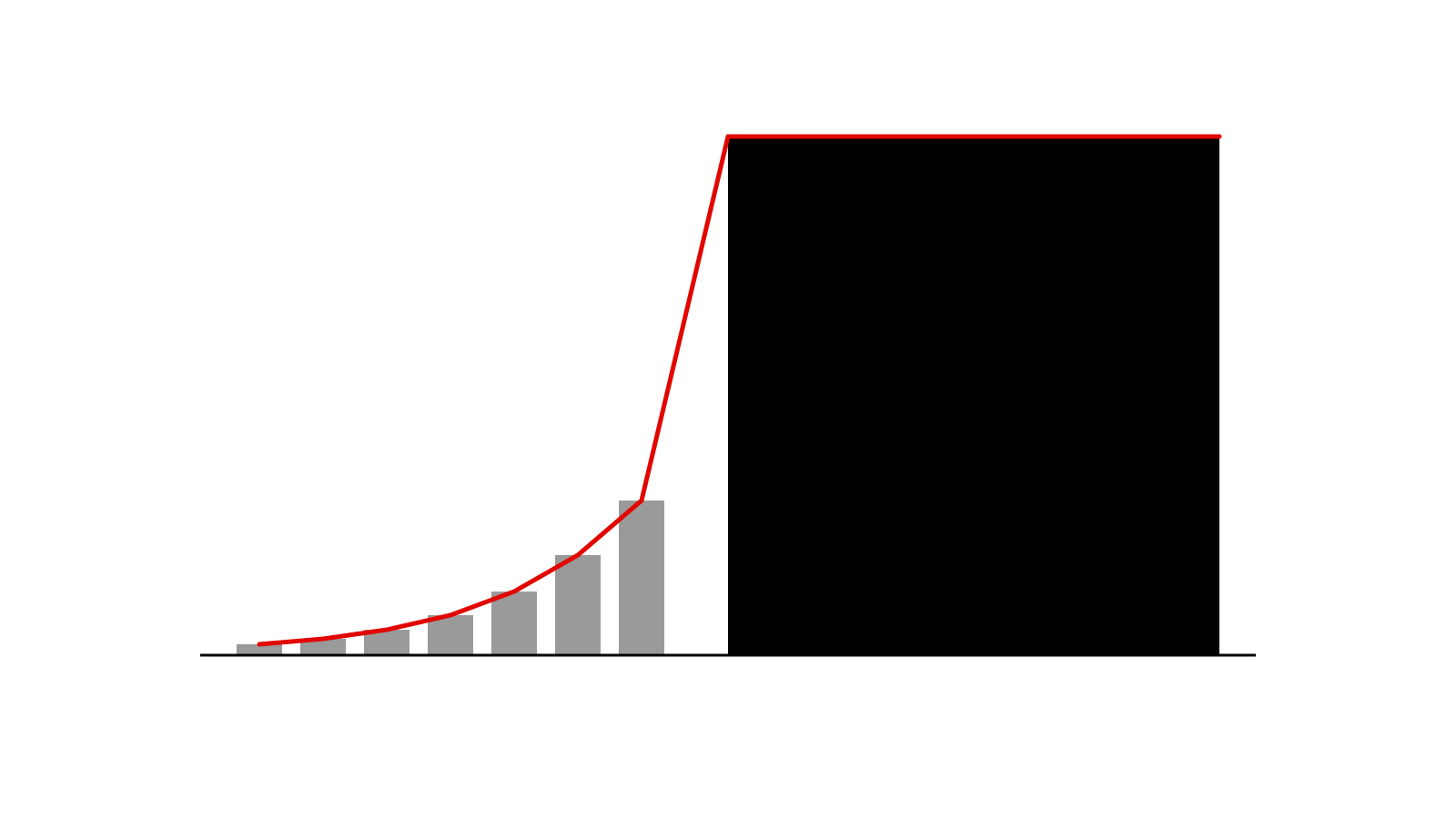
Musk said the money is mostly callable debt, meaning it can be repaid early, for chips due to arrive in the first half of 2027. He credited SpaceX’s investment-grade rating and its revenue from Starlink internet and rocket launches. SpaceX has moved aggressively into AI this year and now calls the business “Super Intelligence”; it is the company’s largest unit, with third-quarter revenue of $7.56 billion, up from $813 million a year earlier, according to its earnings release.
The warning
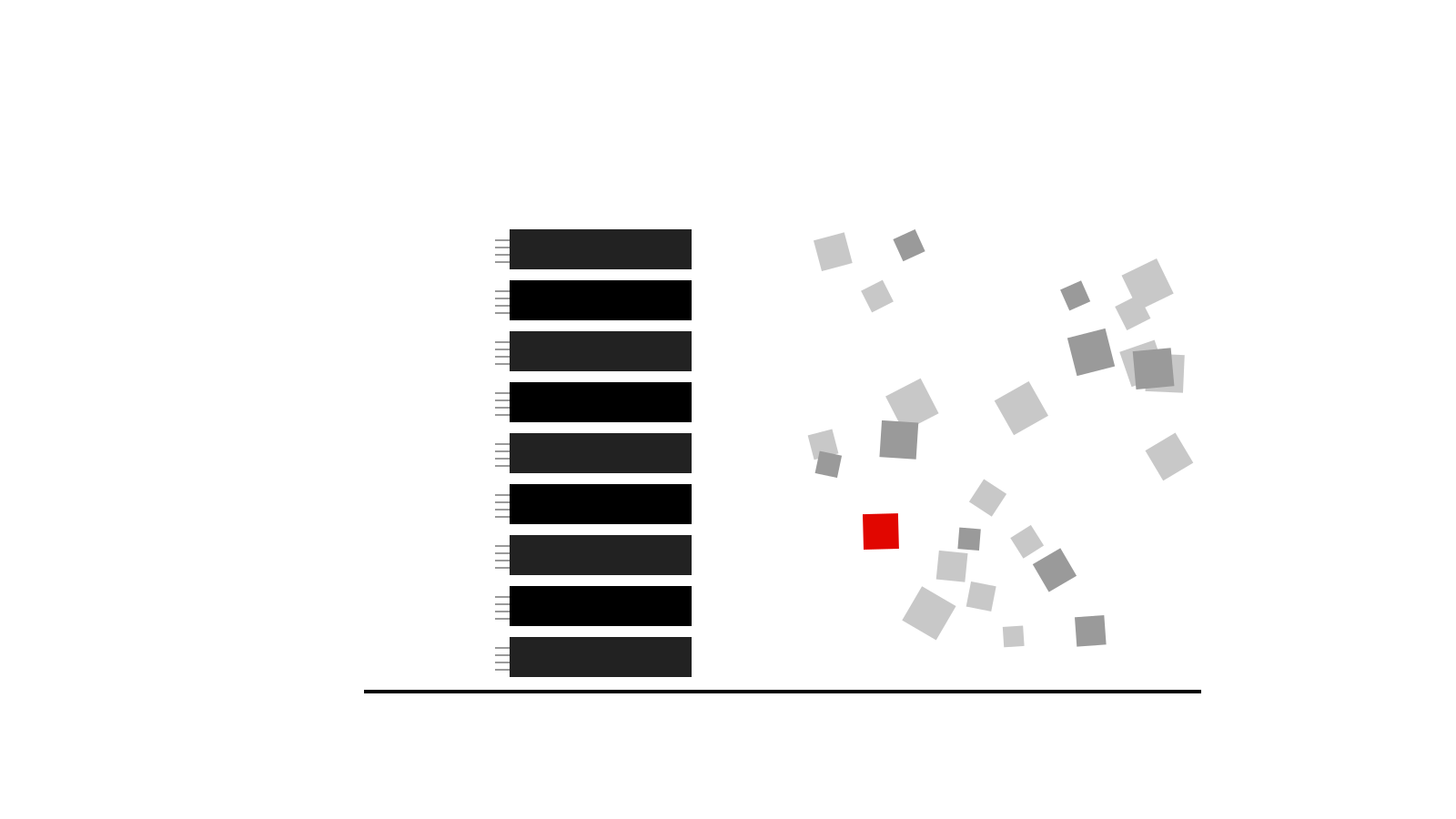
Musk also said debt markets have largely shut off financing for companies that do not have substantial revenue outside AI data centres. He predicted that of the more than 200 “neocloud” companies, which rent out AI computing, most would fail or be bought, leaving only a handful. That is his forecast, not an established trend, and it comes from the owner of a competing AI business.
Musk later said SpaceX would not buy any neoclouds, calling it “pointless”, Reuters reported.
Why it matters
The AI build-out is increasingly paid for with debt, and lenders are starting to choose who they trust. Companies with other cash flows, like SpaceX’s satellites or the cloud giants’ existing businesses, can still borrow on good terms. Companies whose only business is renting out GPUs depend on the AI boom continuing. If credit stays tight, the market for AI computing could end up in fewer hands.