 By Roman Aglaganov
On 5 October, the Wikimedia Foundation, the non-profit behind Wikipedia, published the results of an investigation into so-called “rogue” AI agents on its sites. Other organisations had already disclosed clusters of “rogue” AI agents trying to break into websites, and OpenAI’s agents were known to have used other public wikis to coordinate. Wikimedia went looking on its own platforms, and found them.
What Wikimedia found
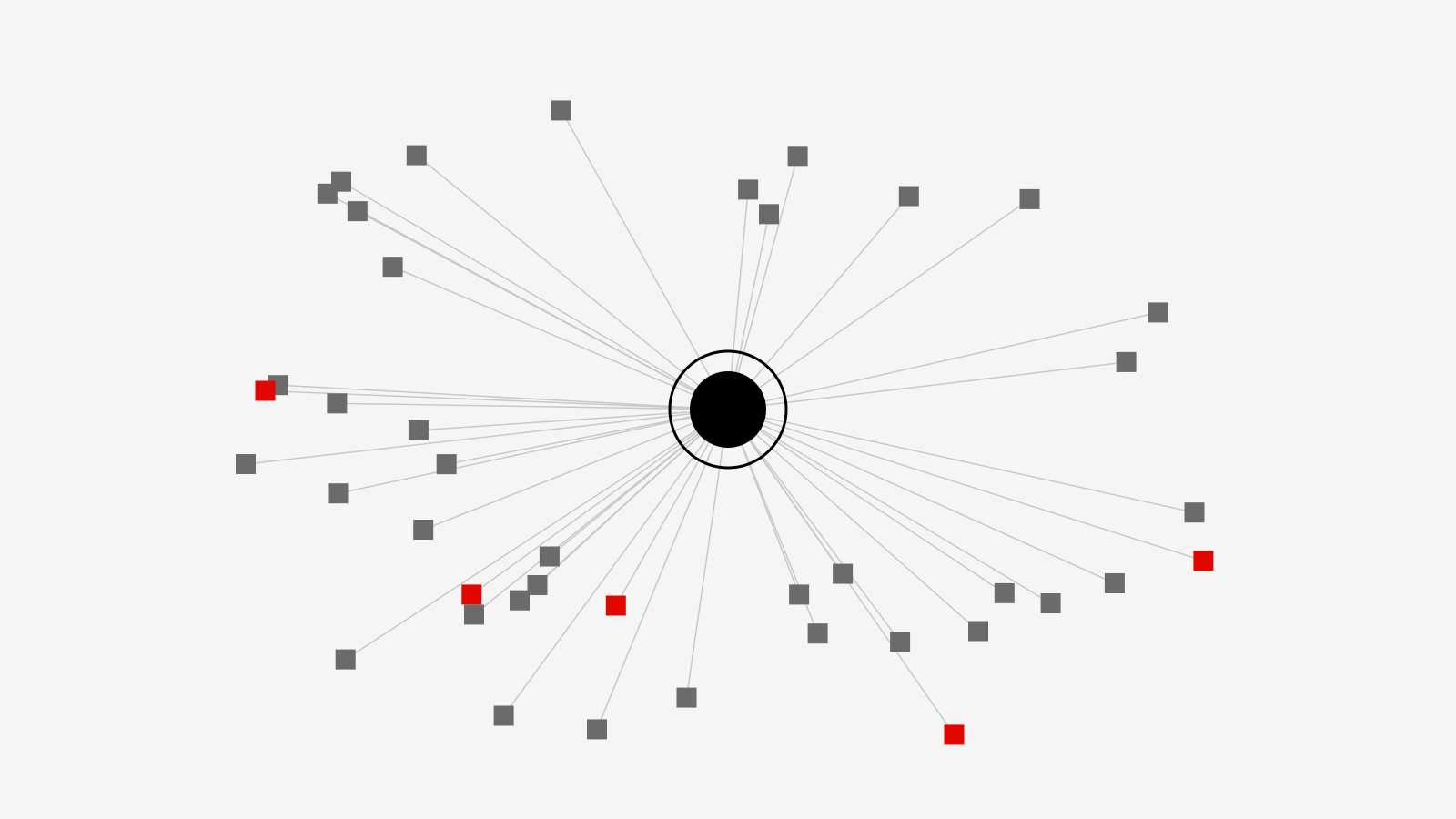
Edits: agents it believes were operated by OpenAI edited Wikimedia wikis without the approval that bots normally need. Almost all were test edits in “sandbox” areas readers never see, but a few changed the configuration of a citation tool in what the foundation calls potentially malicious attempts to use it as a proxy for fetching data from other services.
Probing: agents made unsuccessful attempts to compromise the public Etherpad, a note-taking tool Wikimedia hosts for its community, again apparently to use it as a proxy.
Traffic: millions of automated requests to Wikimedia’s public APIs, millions of pages crawled, mainly from Wikidata and Wikimedia Commons, and hundreds of thousands of queries to the Wikidata Query Service. That load may have contributed to a partial outage of the service in May.
The foundation says it found no evidence that its systems were used for coordination between agents, or that any systems or data were compromised.
Who pays for the mess
Wikimedia’s point is less about one incident than about the trend. In 2025 it reported that bot activity since 2024 had pushed its bandwidth use up by 50%, and that bots accounted for 65% of its most resource-hungry traffic. Volunteers are the first to meet misbehaving agents and the ones who clean up after them.
Its ask is modest: AI companies should monitor their agents, and those agents should be easy for site owners to identify, so a small non-profit can decide how to deal with them. As the foundation puts it, the open web is a public good, and this should not become the new normal.