 By Roman Aglaganov
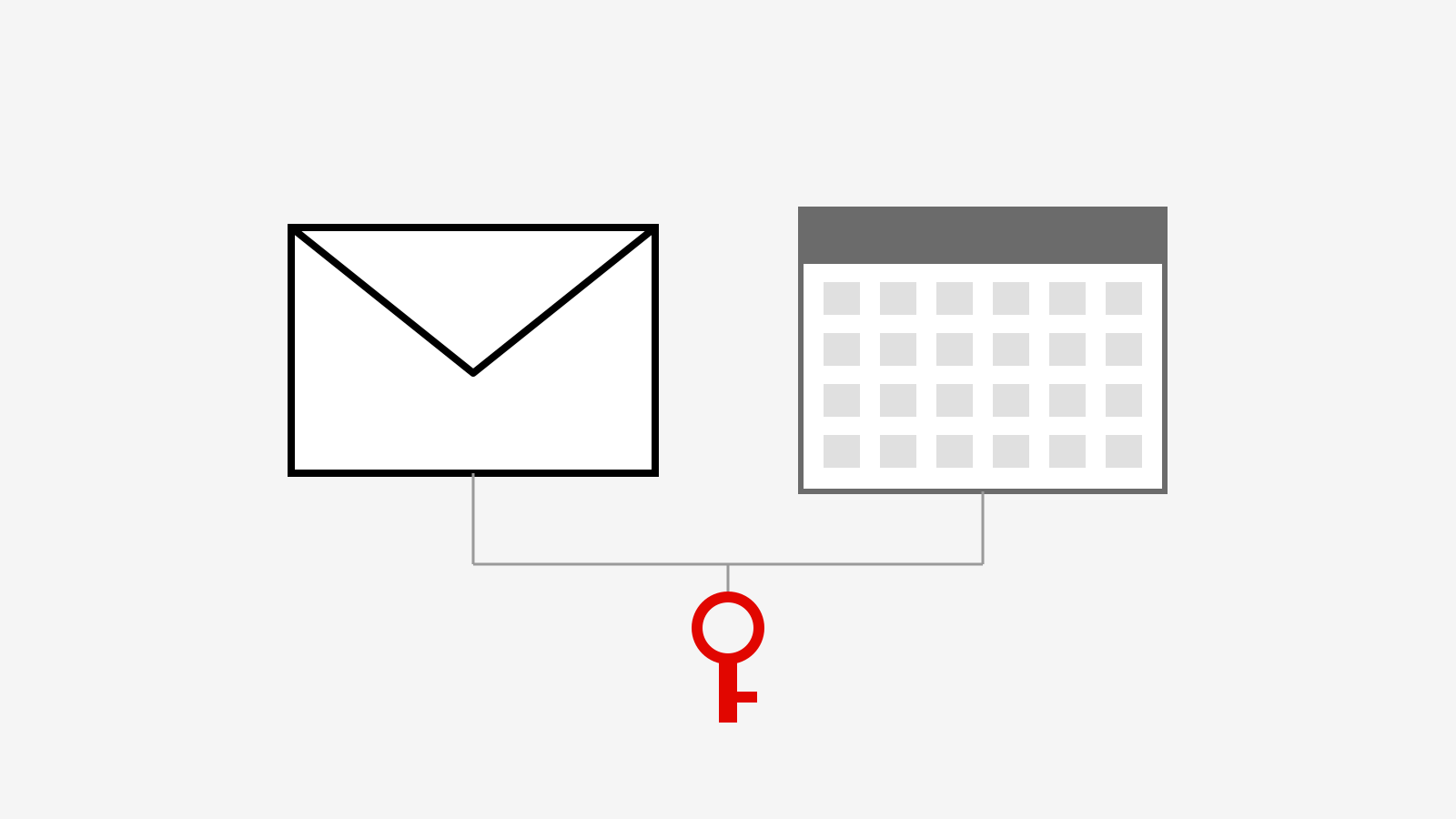
Personal AI agents can book, buy and file things for you, but only if they can get into your accounts. The usual shortcut is to hand them your password. On 22 October 1Password, the password manager, launched 1Password for Agents to avoid that.
How it works
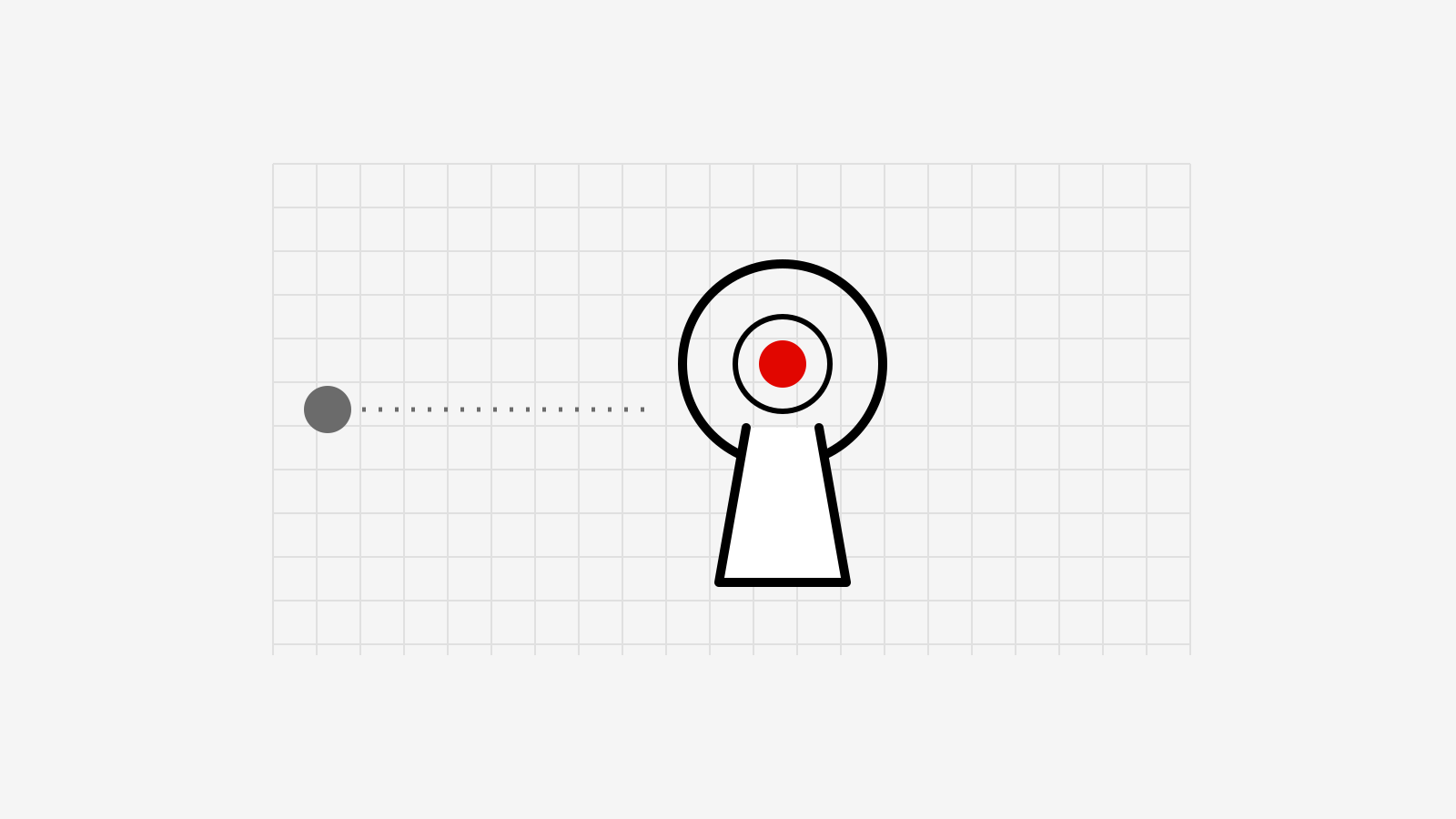
When an agent needs to sign in somewhere, it identifies itself to 1Password with its own digital key. You get an alert and approve the request. 1Password then fills in the credentials itself, so the agent can carry on with its task without ever seeing or storing your password.
“Handing over a password, secret, or credential is a common shortcut to an agent, but can leave people with sensitive information in places they can no longer control as a copy gets saved for the next time,” the company said in a blog post.
Who supports it
Launch partners include Anthropic’s Claude Duet, OpenAI’s ChatGPT Work and Dots, Meta’s Muse, SpaceXSI’s Grok Bot and the start-up Town. Browserbase, Browser Use, Perplexity, Ramp and others are working on integrations. Not all are live yet: at launch it worked with Muse and Grok Bot, 9to5Mac reported, and Anthropic said Claude Duet asks before it signs in anywhere and that “soon” 1Password will complete those sign-ins. There is a waitlist.
Why it matters
Agents are moving into people’s accounts faster than the rules for them. On the same day, Axios reported that US banks had begun detecting agent activity in customer accounts and often could not tell whether it was requested by the customer. A Chase spokesperson said customers “should not give their usernames and passwords to anyone”. Approving each sign-in on your own device, while the password stays in a vault, is a sensible pattern, and the fact that most major agent makers signed up suggests it could become the standard one.