 By Roman Aglaganov
Most AI assistants wait to be asked. Claude Duet, which Anthropic opened as a research preview on 22 October, is built to speak first. It starts with a waitlist for US subscribers to the Pro and Max plans, as a separate app on iOS, Android and claude.ai.
What it does
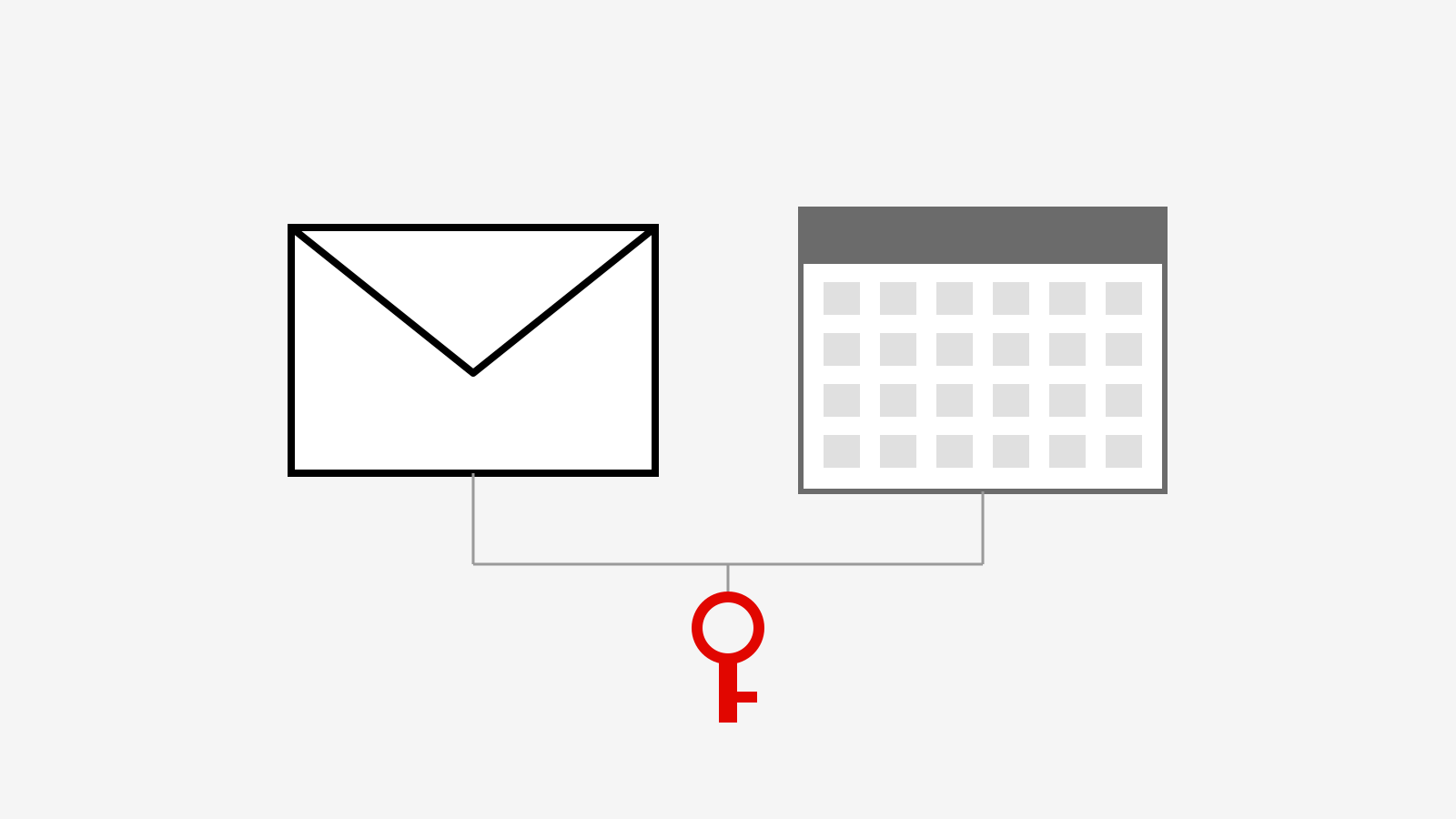
A morning brief: each day it sends a short summary of the most important items across your connected apps, then checks them every few hours and messages you only when something needs attention.
Background work: it runs on its own virtual machine with a browser, so tasks continue when your laptop or phone is off. Anthropic’s examples range from scheduling meetings to building dashboards, sales forecasts and web apps.
Business tools: it can use connectors such as Gmail, Slack, QuickBooks, Stripe, Gusto payroll, Docusign, HubSpot and Shopify, and buy things using Stripe’s Link wallet with a virtual card.
The safeguards
Before it sends a message, makes a payment, signs a document or deletes anything, Duet shows exactly what it is about to do and waits for approval. Some actions, such as trading securities or moving money between accounts, are off-limits even with approval. Anthropic says it never directly sees passwords or sign-in tokens, and that a new classifier checks each message to stop the most sensitive information, such as card numbers and government ID, being shared.
Anthropic is candid about the limits: the early version “might misread a thread or miscalibrate what’s urgent”, is weaker at personal errands, and its background checks count towards the plan’s usage limits.
Why it matters
Assistants that act on their own are where the industry is heading: Google’s Gemini can run tasks while you are away, and Duet goes further by deciding what to raise. The test is judgment, not features. An assistant that interrupts too often gets switched off; one that stays quiet about the wrong thing costs you a client.
Disclosure: AI Pulse is written with AI tools, including Claude, which is made by Anthropic.