 By Roman Aglaganov
Large language models learn from huge amounts of text, much of it written by people who were never asked. Whether that is legal is one of the most expensive questions in tech, and in the absence of new laws, judges are answering it.
The New York Times goes to court
In December 2023, The New York Times sued OpenAI and Microsoft, arguing that its journalism had been used to train AI without permission and that the companies’ products could reproduce chunks of its articles, competing with the paper itself. OpenAI argued that training is fair use. The case became the headline battle between the news industry and AI.
Bartz v. Anthropic: a split decision
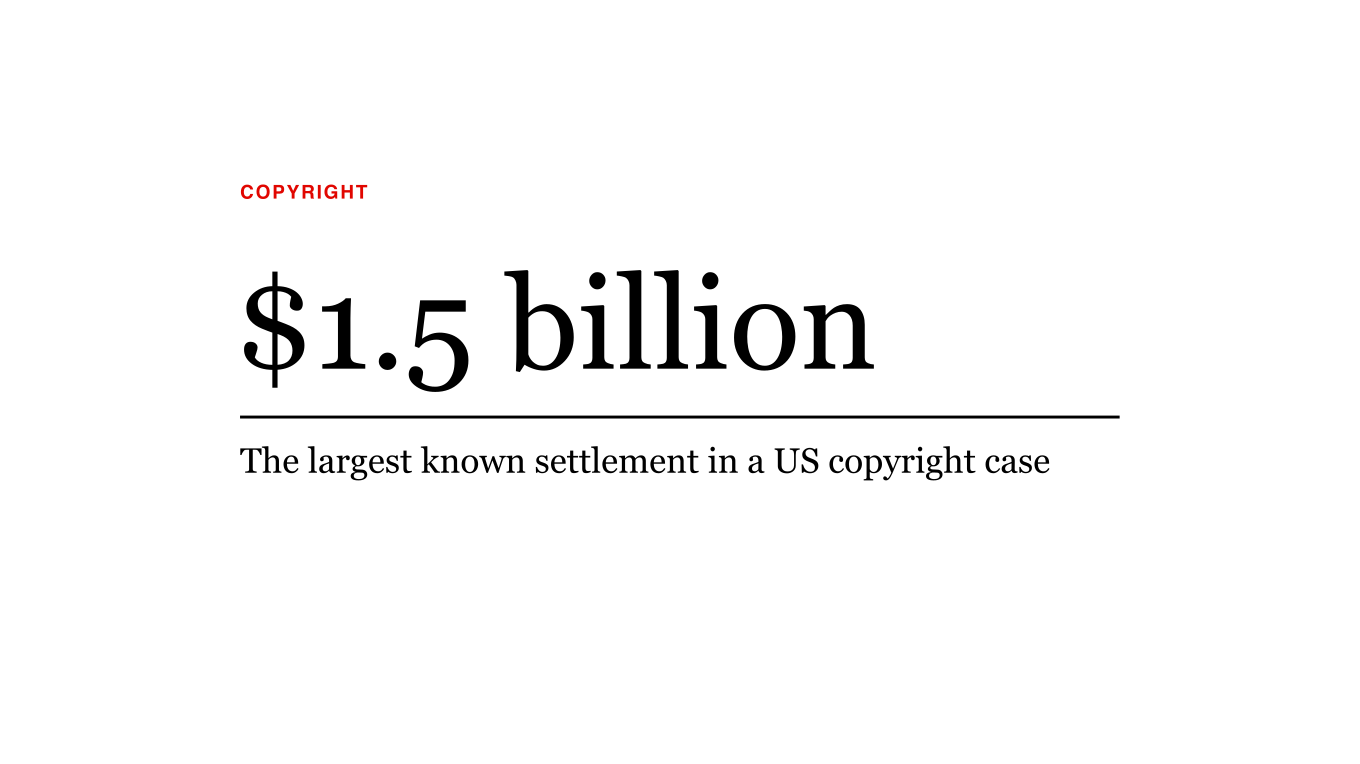
In a case brought by authors against Anthropic, a US federal judge ruled in June 2025 that training AI on books the company had legally bought and scanned was fair use, comparing it to a reader learning to write. But he found that keeping millions of pirated books downloaded from the internet was not. Facing a trial over damages, Anthropic agreed in September 2025 to pay $1.5 billion, about $3,000 per book. The settlement received final court approval in July 2026, the largest known settlement in a US copyright case.
Who owns what AI makes?
The other half of the debate is about output. The US Copyright Office says copyright protects human authorship: a work generated entirely by AI is not protected, though human creative choices in arranging or editing AI output can be. In 2025 a US appeals court agreed that an AI system cannot be listed as an author.
Where it is heading: the emerging pattern is “training may be fair, piracy is not”, with many AI companies now signing licensing deals with publishers. Expect more lawsuits, more deals and, eventually, laws that settle what the courts cannot.