By Roman Aglaganov
Meta has removed wording from its commercial terms that legal experts said could let it take content from publishers’ websites and use it to train AI. The Verge reported the change on 17 October, days after Nieman Lab raised the alarm.
What the terms said
Meta’s commercial terms apply to businesses that use its advertising and business tools, which includes most news publishers. The updated version said that Meta could use content from such a business’s “domains, web pages, or URLs” to provide, develop, improve, research and “train” Meta’s products and services.
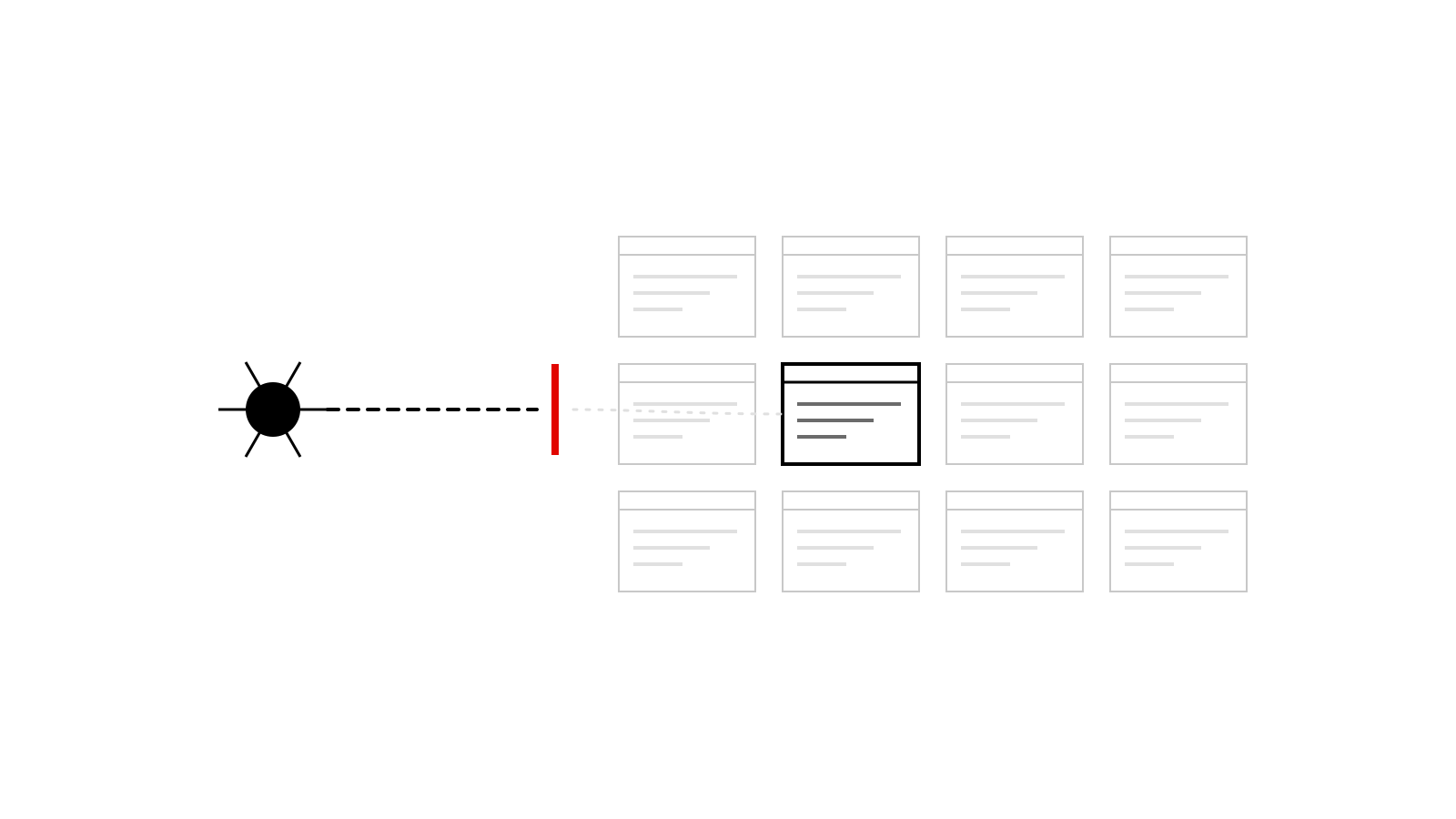
Legal experts who spoke to Nieman Lab called it a “remarkable provision”. Read plainly, they said, it could let Meta scrape any site run by a business with a Meta account and train its AI models on what it found. James Grimmelmann, a professor of digital and information law at Cornell, was among those who read it as a way to get that content free and to override the robots.txt files that sites use to block crawlers.
Meta’s response
Meta first denied any change in practice. Its vice-president of communications, Andy Stone, and spokesperson Daniel Roberts said there was “no change to how Meta uses web crawlers”.
Then it removed the language. In a statement to The Verge, Roberts said the crawling terms “only applied to our ads and business products”, that Meta had clarified this in the terms themselves, and that content owners can still use robots.txt to signal their preferences. “This is not about scraping news sites,” he said.
Why it was noticed
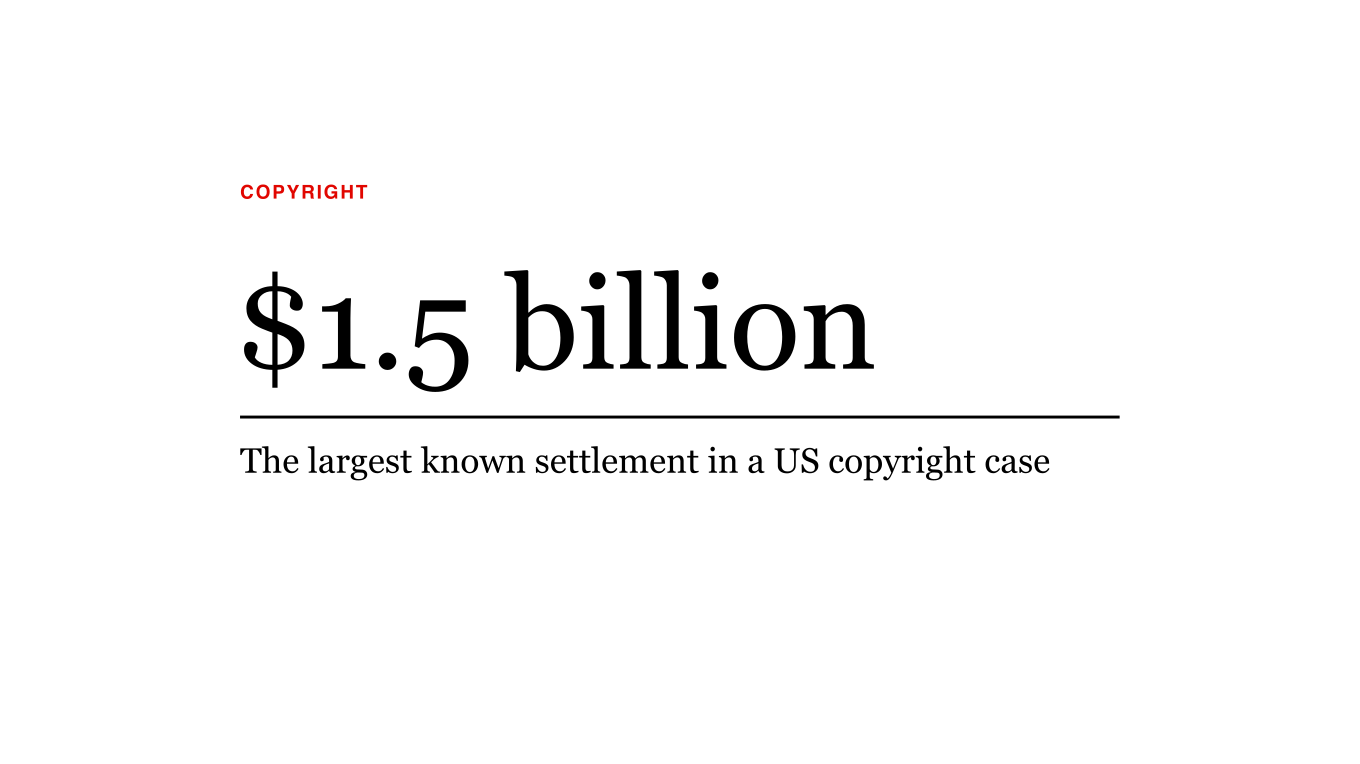
Meta is already fighting over training data in court. In 2025 it won a high-profile case brought by authors over training its Llama models on books. In May 2026, publishers including Hachette and Macmillan sued it, alleging it pirated millions of works, from textbooks to novels, to train Llama. Against that background, a clause that seemed to turn an advertising contract into a licence to train was always going to be read closely.
Why it matters
The fight over AI and copyright is usually about what the law allows without permission. This episode was about the other route: getting permission through small print. Publishers sign platform terms to run ads, not to license their journalism, and robots.txt is the only consent signal most of them have. Meta backed down within days, but the lesson for publishers is to read the next terms update, from any platform, for the word “train”.