 By Roman Aglaganov
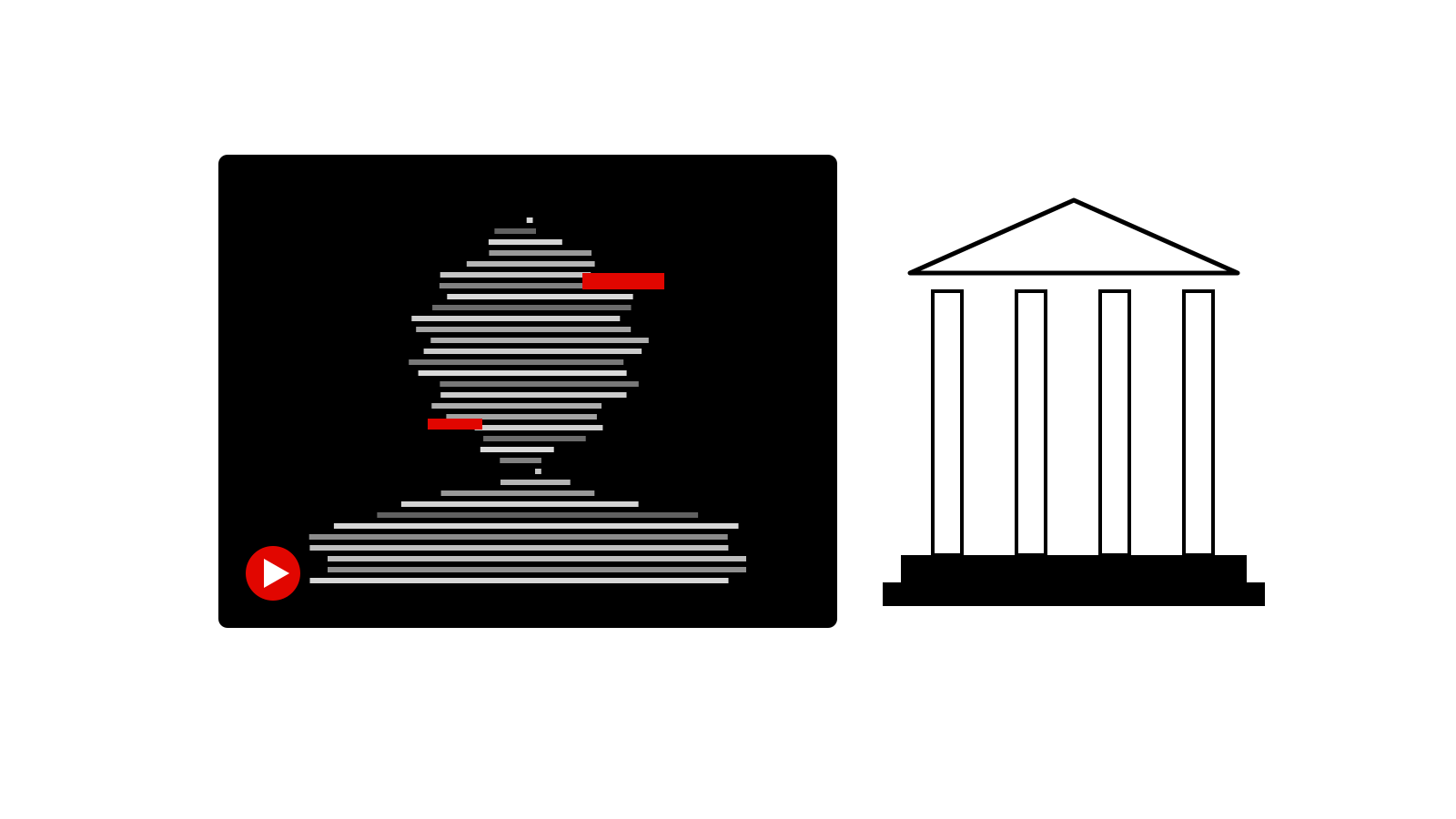
In November 2021, Christopher Pelkey was shot dead in a road-rage confrontation in Chandler, Arizona. When the man convicted of manslaughter, Gabriel Horcasitas, was sentenced last year, the court heard from Pelkey himself, or rather from an AI-generated version of him.
The video
Pelkey’s family created the video from a previously recorded clip, a photo and a script written by his sister. In it, the AI Pelkey expressed forgiveness. The sentencing judge said he “loved that AI”, noted the “obvious forgiveness” in it, and imposed 10½ years in prison.
The ruling
On 30 September, the Arizona Court of Appeals upheld the manslaughter conviction but vacated the sentence. It found that the judge had been prejudiced by the AI video, which made the sentencing fundamentally unfair. Horcasitas will be resentenced.
Why it matters
Victim impact statements are an important part of sentencing: families get to say what a loss means to them. But a video in which the dead person appears to speak is something different. However heartfelt, it presents words the victim never said, in a form that feels like testimony.
Courts are only starting to set rules for AI-generated evidence and statements, and this ruling is an early marker: a court can listen to a family’s grief, but it should not hear a synthetic witness. Expect more of these cases, and more rules, as making a convincing likeness of anyone becomes a few minutes’ work.