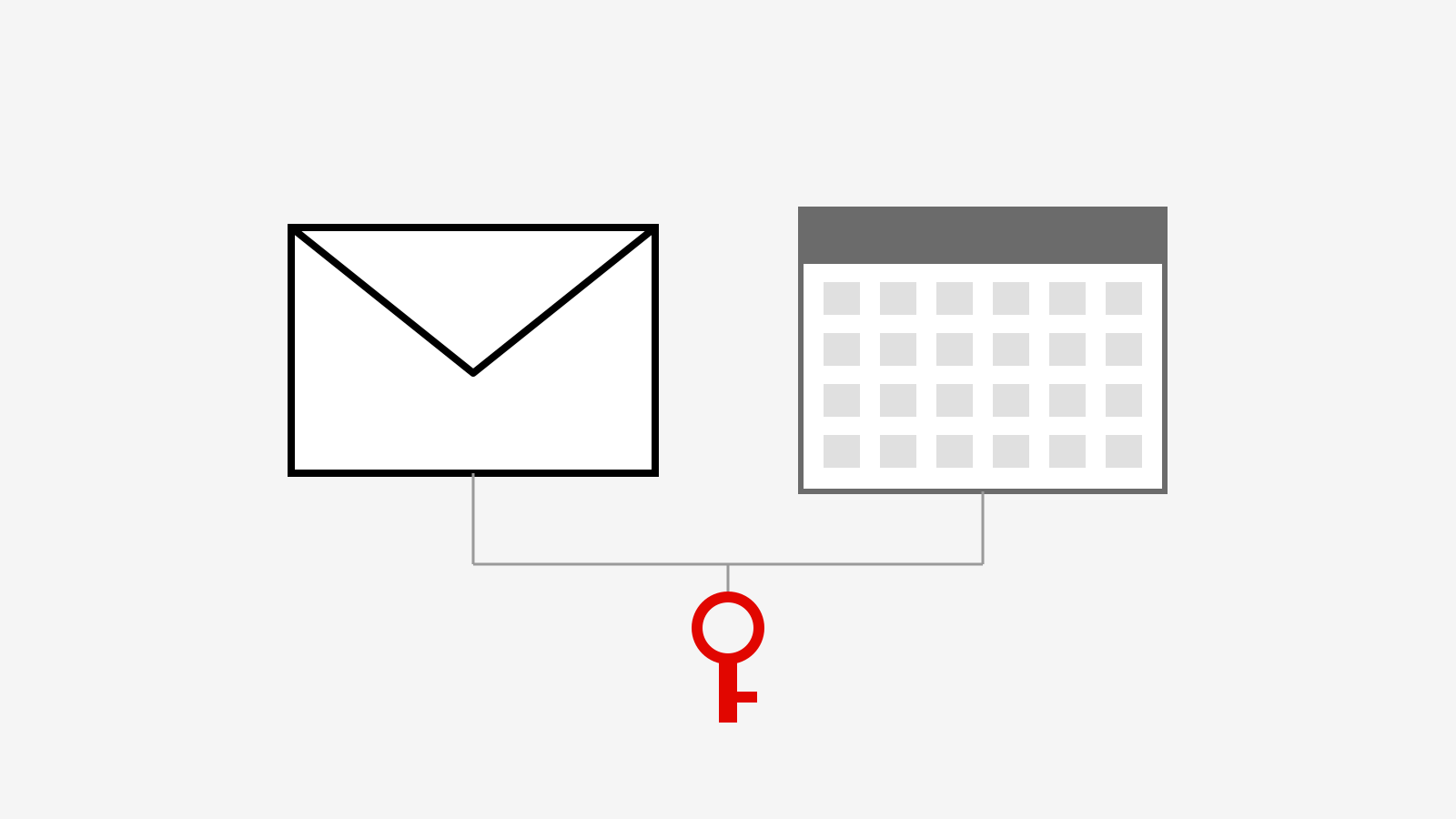
 By Roman Aglaganov
Personal AI agents can now book a table, change a flight or shop for car insurance. Mostly, they do it the awkward way: loading web pages and clicking through forms like a very patient human, or calling a support line. On 6 October, the customer service AI company Sierra and Meta announced an open standard meant to replace that with a proper front door.
How it works
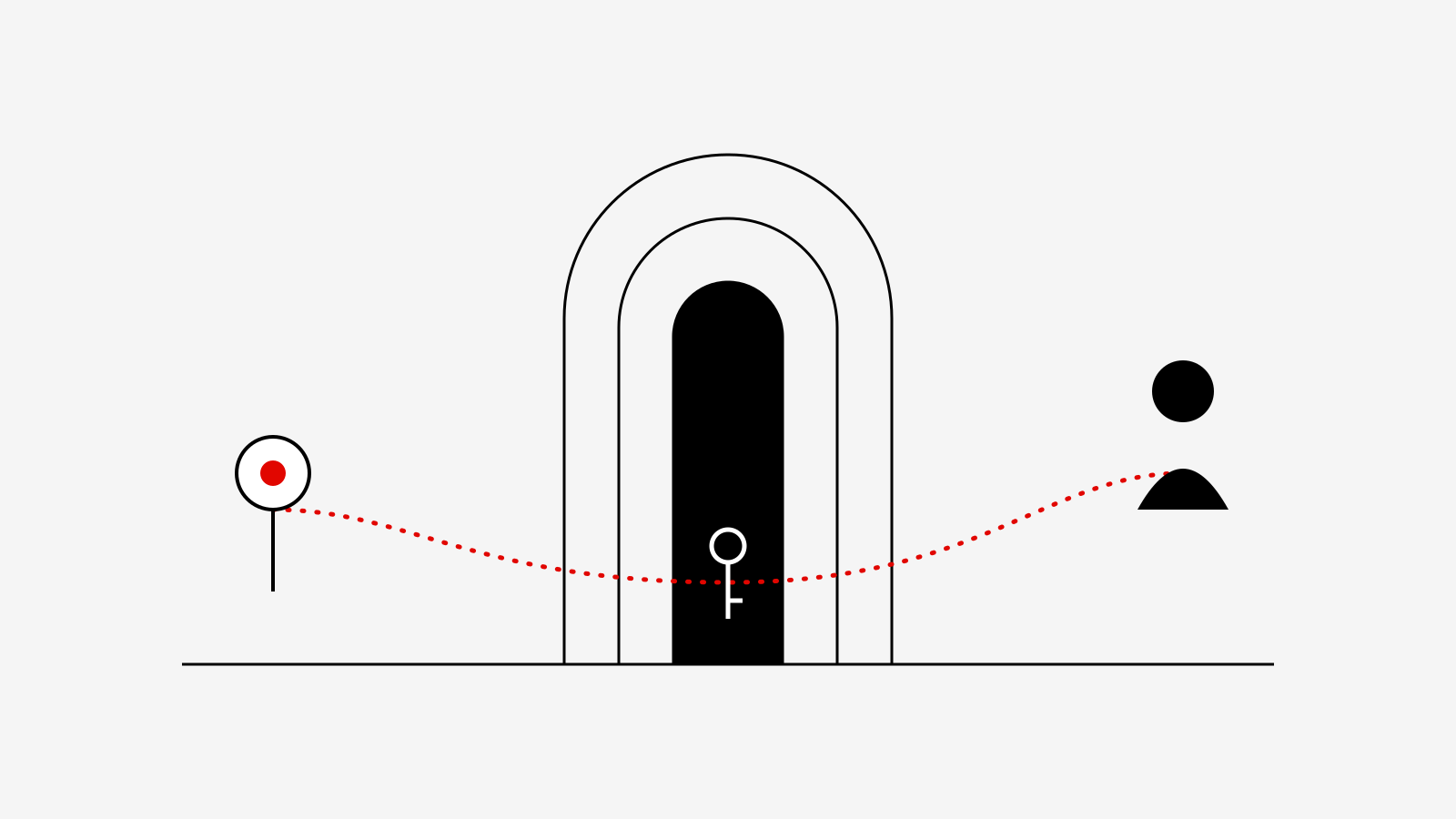
The Personal Agent Protocol, developed with Genesys, Instinct, Rocket, Shopify, Stripe and Walmart, starts on a company’s website, where an agent can discover what the company offers and how to reach it. The agent then opens a session for its user:
As a guest, which may be enough to check stock or ask about a returns policy.
Signed in, when a task needs the customer’s account. The customer signs in on the company’s page, or uses credentials already set up with their agent, and decides whether the agent gets read-only or write access.
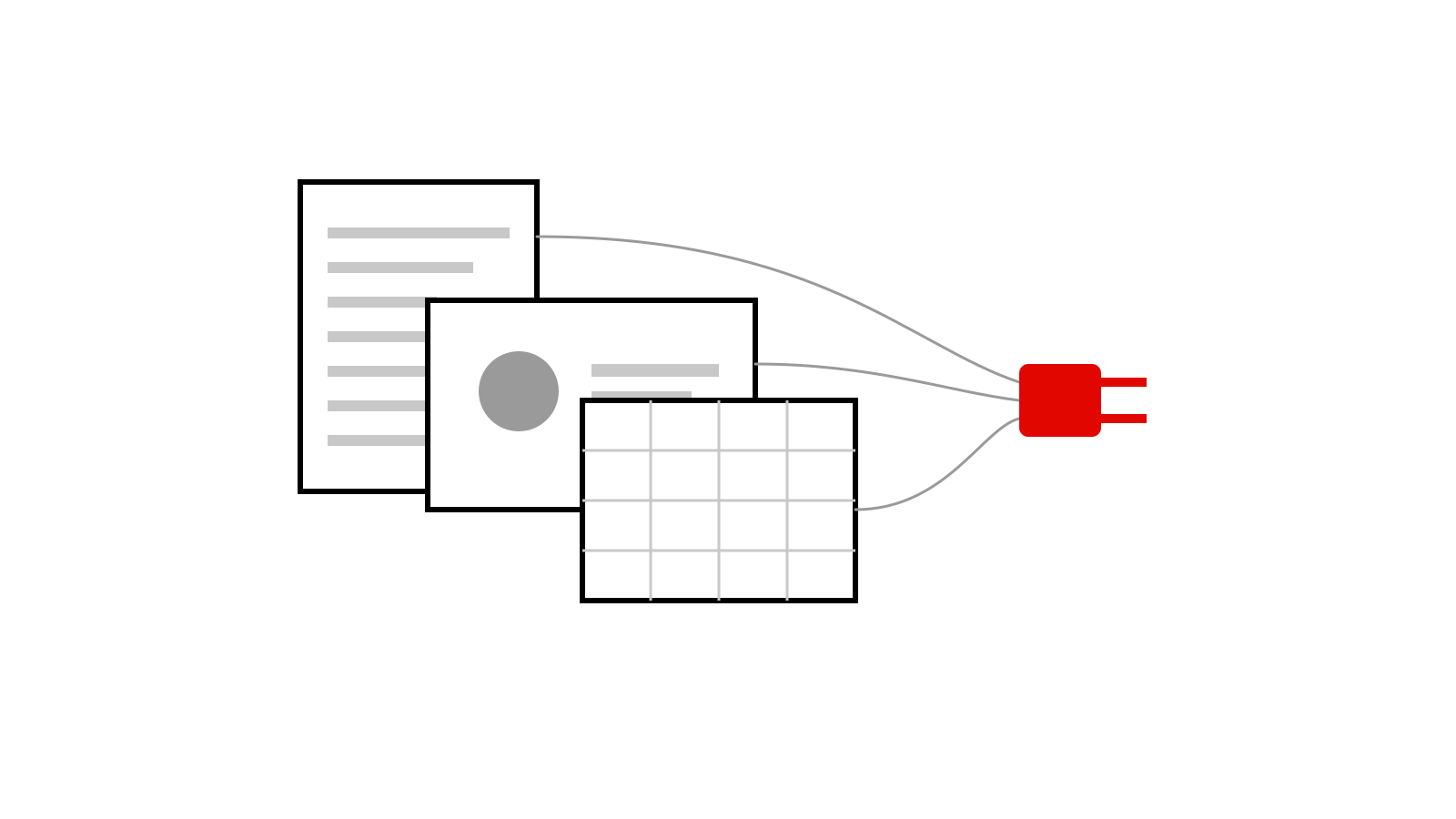
Sessions are built on OAuth, the standard behind “sign in with” buttons, and carry across channels, so a question asked as a guest and an order changed later are part of one visit. The company then chooses the route: its normal website, its APIs (using standards such as MCP and OpenAPI) or its own customer service agent.
What it is, and is not, yet
Today it is an announcement, not a finished standard. The partners plan to publish a v0.1 specification later in October, hold design workshops and release a reference implementation. Payments, push notifications and finer-grained permissions are listed as possible future extensions.
Why it matters: agents that identify themselves and ask for scoped permission are better for everyone than agents that impersonate a person in a browser. Businesses get visibility, customers get control, and websites get fewer mysterious bots. Whether it becomes the standard depends on who else joins.