 By Roman Aglaganov

In a gold rush, the old saying goes, sell shovels. In the AI boom, the shovels are graphics processing units, or GPUs: chips originally built to draw video games, which turned out to be superb at the huge piles of multiplication that training neural networks requires.
Nvidia’s head start
Nvidia makes the most sought-after AI chips, and its real advantage is as much software as silicon. Since 2007 it has offered CUDA, a toolkit that lets programmers use its GPUs for general computing, and a generation of AI software has been written on top of it. Switching to a rival chip means rewriting a lot of code, which is why Nvidia’s customers grumble about prices and keep buying.
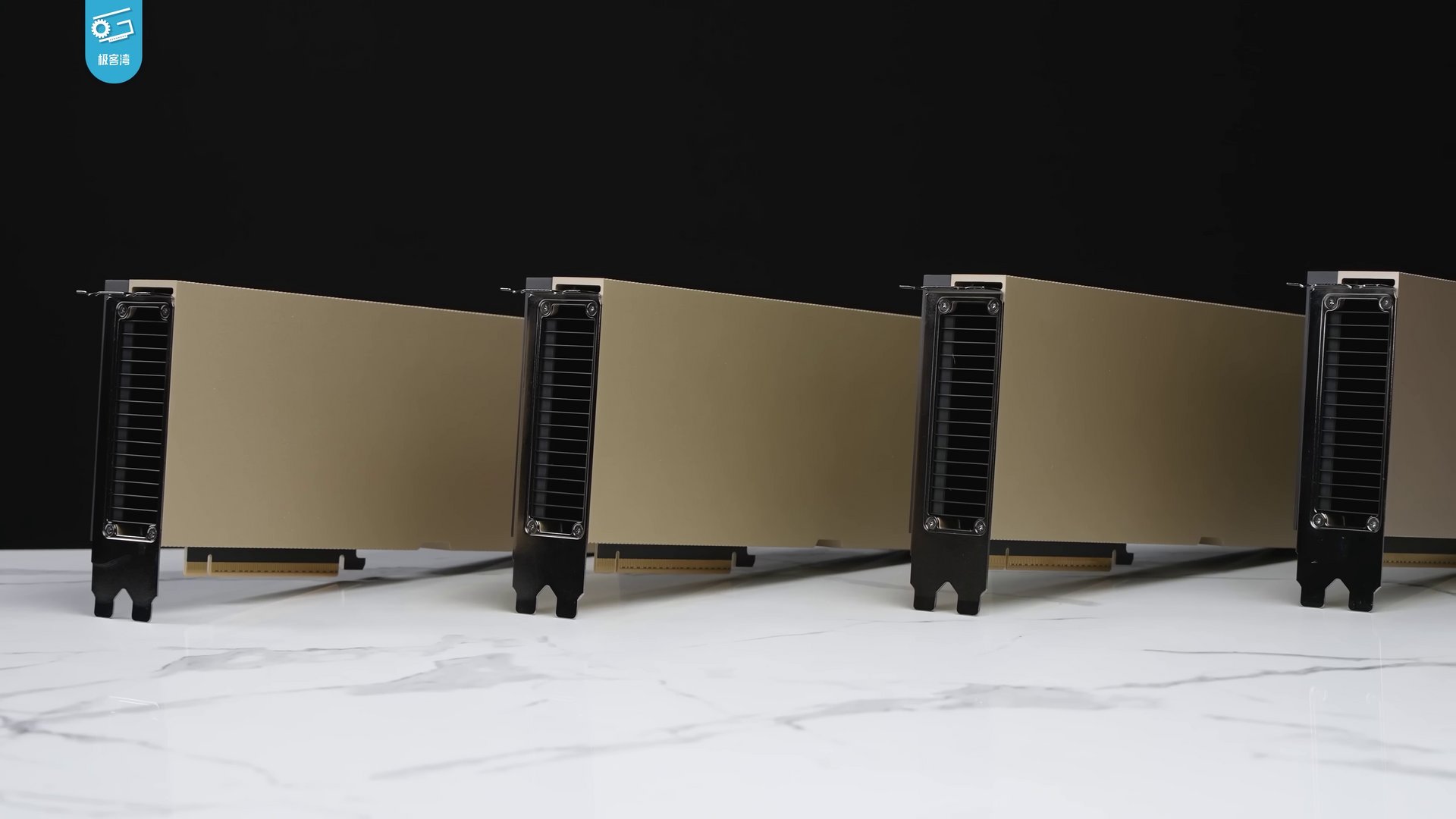
The results showed up on the stock market. In July 2025 Nvidia became the first company ever worth $4 trillion, and a few months later it passed $5 trillion. Not bad for a company that, for most of its history, was best known among teenagers with gaming PCs.
Made in Taiwan
Nvidia designs its chips but does not make them. The most advanced ones are manufactured by TSMC, the Taiwan Semiconductor Manufacturing Company, which also produces chips for Apple, AMD and many others. A large share of the world’s most advanced chipmaking happens on one island, which makes Taiwan central to the AI economy and a constant subject of geopolitical worry. TSMC has started producing chips in Arizona too, to spread the risk.
Chips as foreign policy
Since October 2022, the United States has restricted exports of its most advanced AI chips to China. Nvidia responded with slower versions designed to fit within the rules, such as the H800, the chip DeepSeek reported training on, and the rules were tightened several times after that. Every new restriction prompts the same question: does it slow rivals down, or teach them to do more with less?
The bottom line: whoever controls the chips has a large say in who builds the most powerful AI. That is why a semiconductor factory now gets the kind of attention once reserved for oil fields.