 By Roman Aglaganov
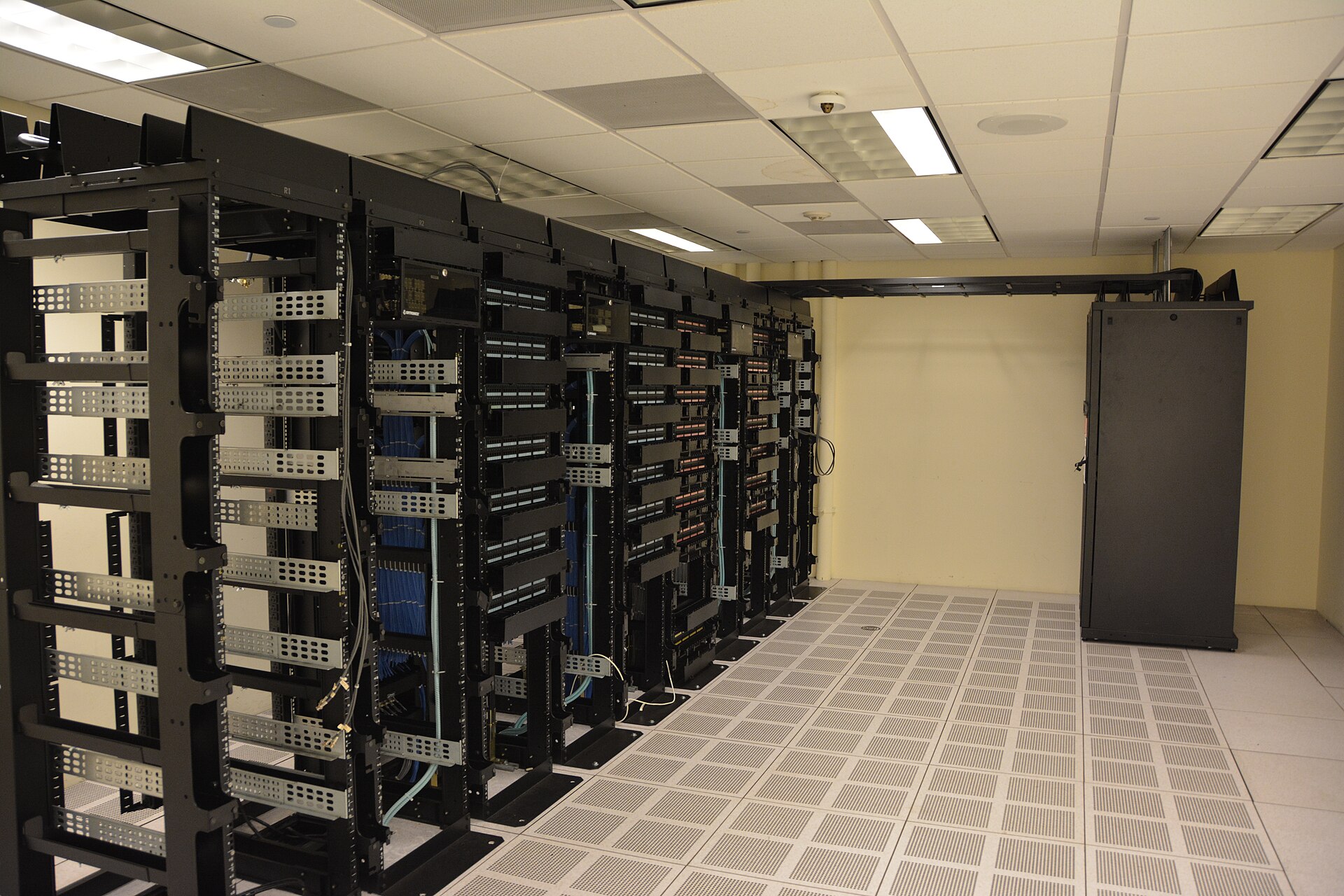
Training and running AI models takes a staggering amount of electricity, and the companies building them have discovered that the hardest part of building a data centre is no longer the chips. It is the plug.
The numbers
According to the International Energy Agency’s 2025 report on energy and AI, data centres used around 415 terawatt-hours of electricity in 2024, about 1.5% of global consumption. The agency projects that could more than double to around 945 terawatt-hours by 2030, roughly the electricity use of Japan today, with AI the main driver.
Enter nuclear
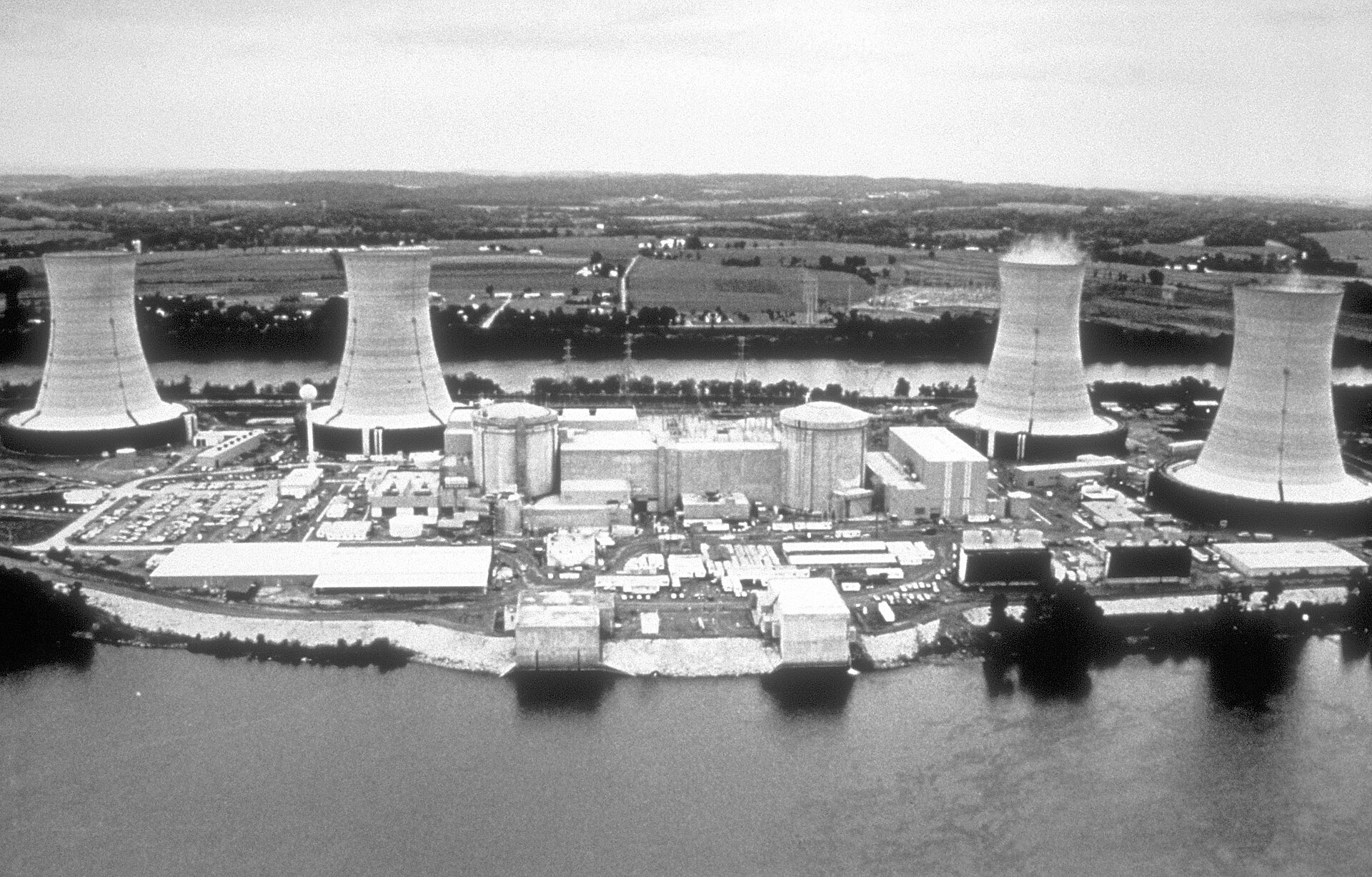
Tech companies want power that is reliable around the clock and low in carbon emissions, which points to nuclear. In September 2024, Constellation Energy announced plans to restart Unit 1 at Three Mile Island in Pennsylvania, the site of America’s worst nuclear accident in 1979 (in the neighbouring Unit 2). Microsoft agreed to buy its power for 20 years. The plant is being renamed the Crane Clean Energy Center, perhaps because “Three Mile Island” is a hard sell for a press release.
Google signed a deal with Kairos Power for small modular reactors, and Amazon invested in X-energy, another developer of compact reactors. Most of those reactors will not be running until the 2030s.
Meanwhile
In the short term, much of the new demand is being met by gas, and in some places data centres are straining local grids and raising questions about who pays for upgrades. AI may help design better batteries and run grids more efficiently, but first it has to find enough electricity to switch itself on.