 By Roman Aglaganov
AI data centres need electricity around the clock, and new power plants take years to build. Google’s latest answer, announced on 6 October with Constellation Energy, is to squeeze more out of nuclear plants that already exist.
The deal
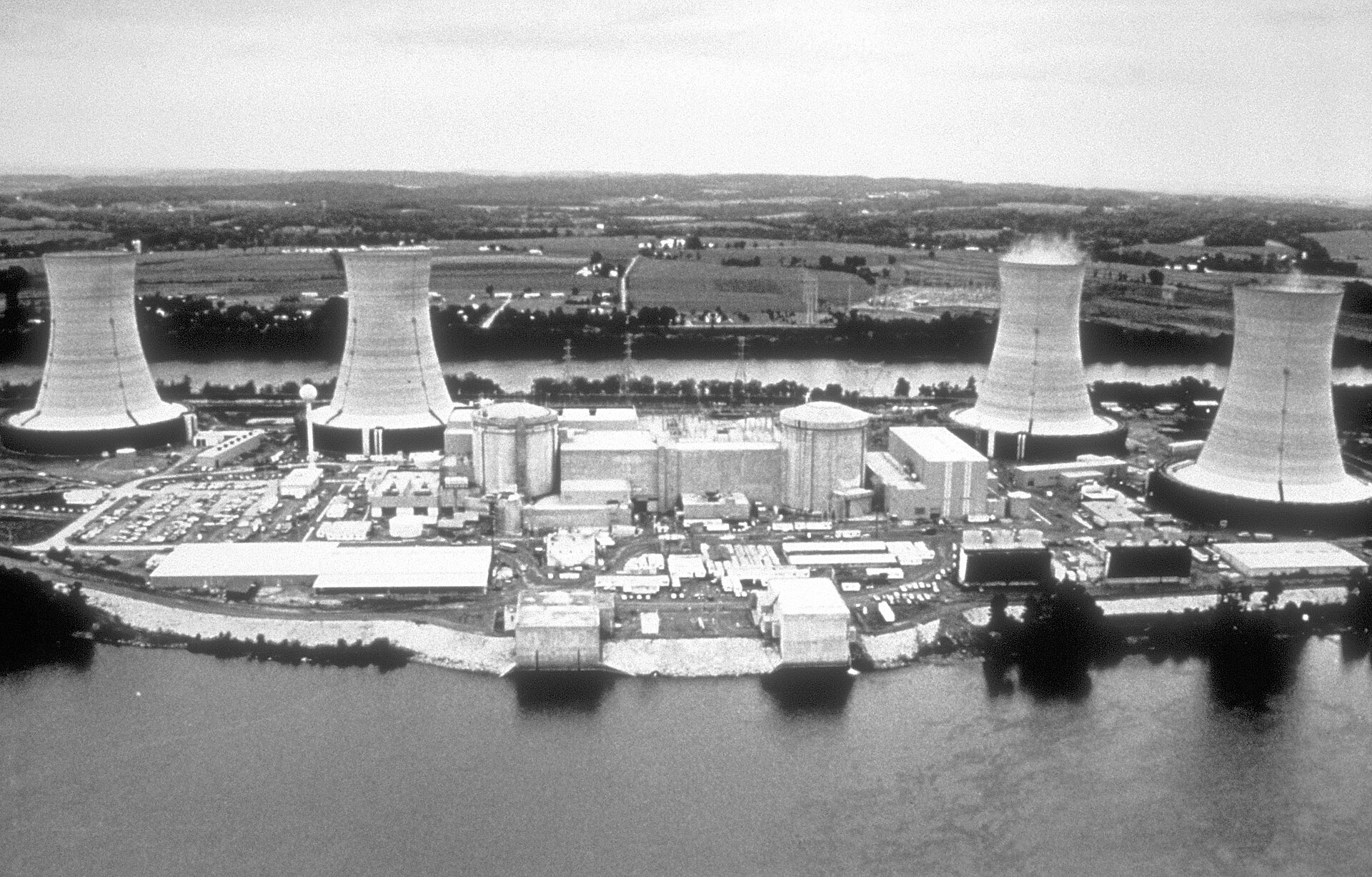
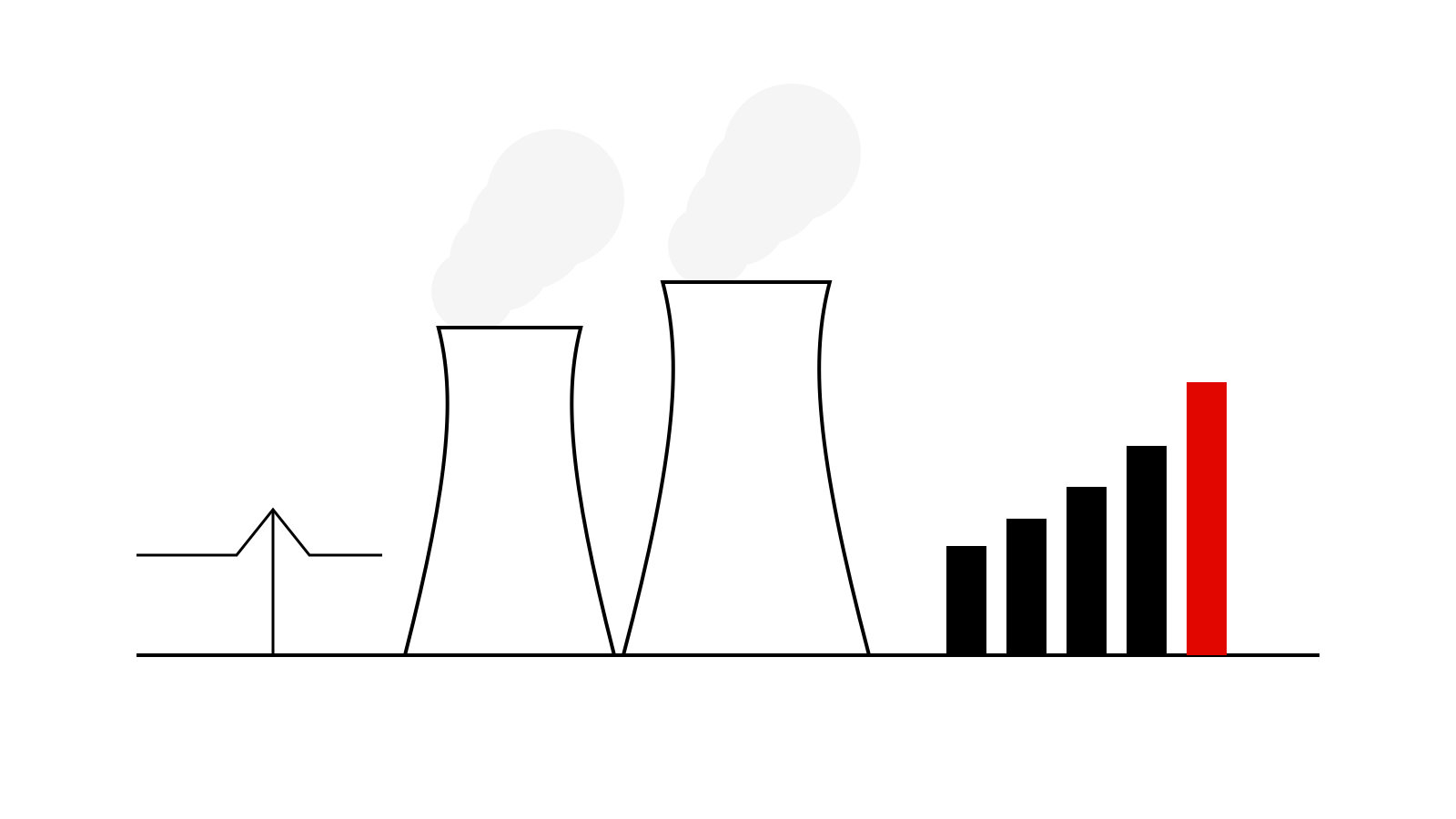
Google signed a power purchase agreement that finances upgrades at six operating Constellation plants in Illinois, Pennsylvania and New Jersey, covering 11 reactors. By the end of 2032, the work should add 890 megawatts of round-the-clock, low-carbon power to PJM, the grid serving 67 million people across 13 states. Google says that is roughly equivalent to a new large reactor, delivered years sooner than building one.
These are called uprates: modernising turbines, steam generators and control systems so an existing reactor produces more power. Google acts as the anchor customer, giving Constellation the long-term revenue certainty it needs, and says other grid customers will bear none of the cost. As part of the deal, Constellation is also deploying Google’s Gemini Enterprise to help plan the work and run its plants.
Part of a pattern
With this agreement, Google says it has enabled more than 1.5 gigawatts of new nuclear capacity in the US from uprates and restarts. Its other nuclear deals include working with NextEra to restart the Duane Arnold plant in Iowa. The US Department of Energy wants 5 gigawatts from uprates and restarts by 2030; Google expects its deals to deliver nearly a quarter of that.
Why it matters
For years, tech companies’ clean energy deals were mostly wind and solar. AI changed the maths: data centres need firm power at every hour, and nuclear is one of the few low-carbon sources that provides it. Upgrading old reactors is the fastest nuclear option, which is why the biggest AI companies are now among the most important customers of the power industry.