 By Roman Aglaganov
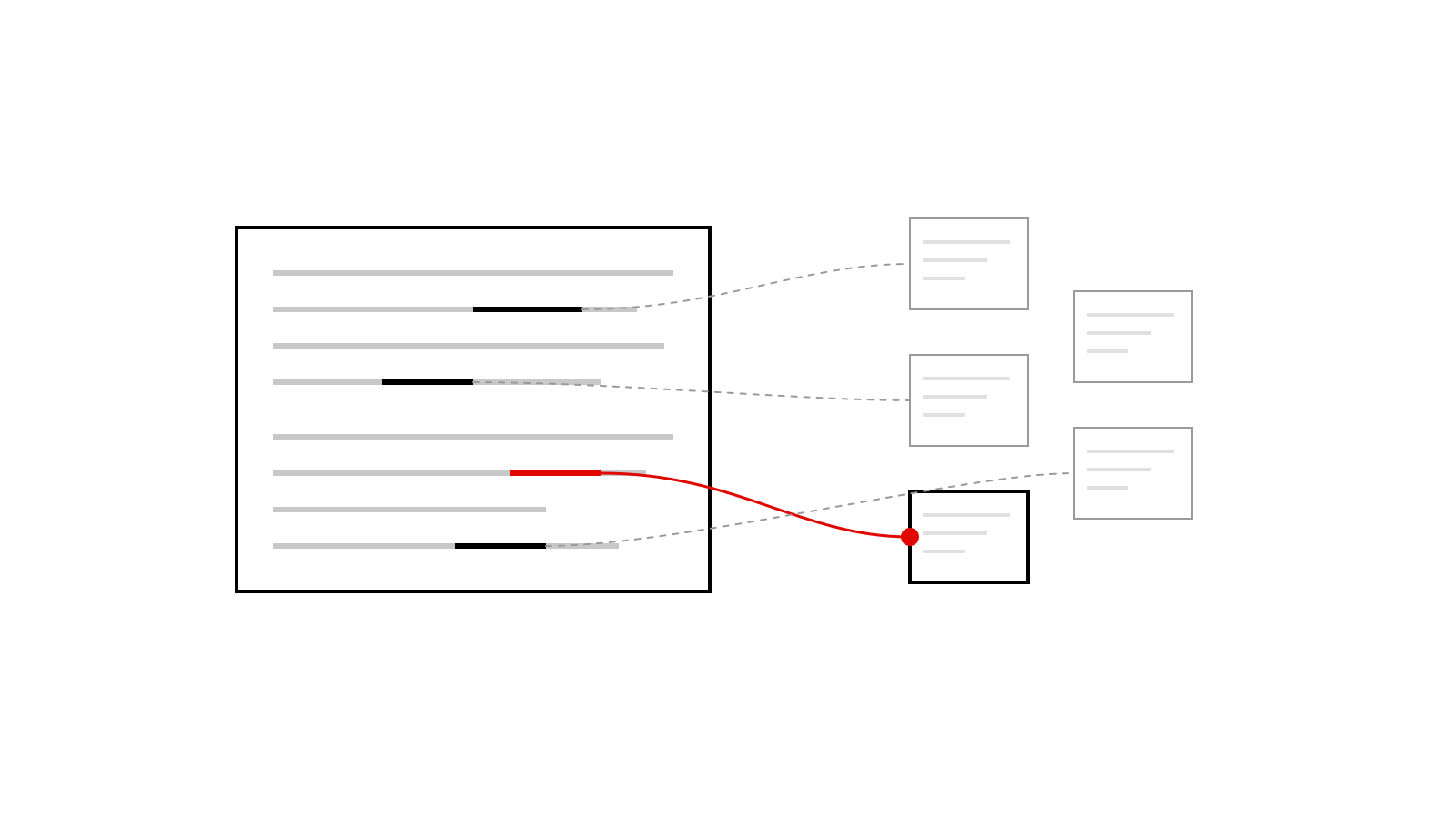
Google announced on 15 October a set of changes to AI Mode and AI Overviews, the AI-written answers at the top of Search, meant to send more people on to websites. Hema Budaraju, a vice-president of product management, said the aim is to make exploring the web “simpler, more visual, and more engaging”.
What changes
More inline links: Google says it has made “continued and substantial increases” in links placed on words and phrases inside AI answers, and will now show them higher up more often, so the key sources can be clicked sooner.
Official sites first (a test): when only one or two official sites exist for a task or a piece of information, a new section at the top of the answer will list them, with a line on why each is useful.
News carousels: carousels of timely articles, which favour the outlets a user has chosen as Preferred Sources, are rolling out to more countries and languages.
Related articles: links at the end of some answers get thumbnails and a more clickable design.
Creator profiles (a test): in AI Mode, creator and publisher names on video results now link to their Search profiles.
Google did not say which countries get each feature, or when the tests end. It did give one figure: the number of people using Preferred Sources has grown more than sevenfold since the start of the year.
The backdrop
AI answers are fast becoming the normal Google result. According to Similarweb, AI Overviews appeared in about 43% of searches by mid-2026, up from 15% a year earlier, and visits to AI Mode more than doubled to 279 million a month. Publishers say that when Google answers the question itself, fewer people click through. Google has responded with tools such as Preferred Sources, and in August it let publishers put a button on their own sites asking readers to pick them; it says people are twice as likely to click a preferred source when one is shown.
Why it matters
Links are the deal at the heart of search: websites let Google read them, and Google sends readers back. AI answers strained that deal, and these changes are Google’s attempt to show it still holds. The test that matters is not how many links appear but how many get clicked, and Google has not published that number.