 By Roman Aglaganov
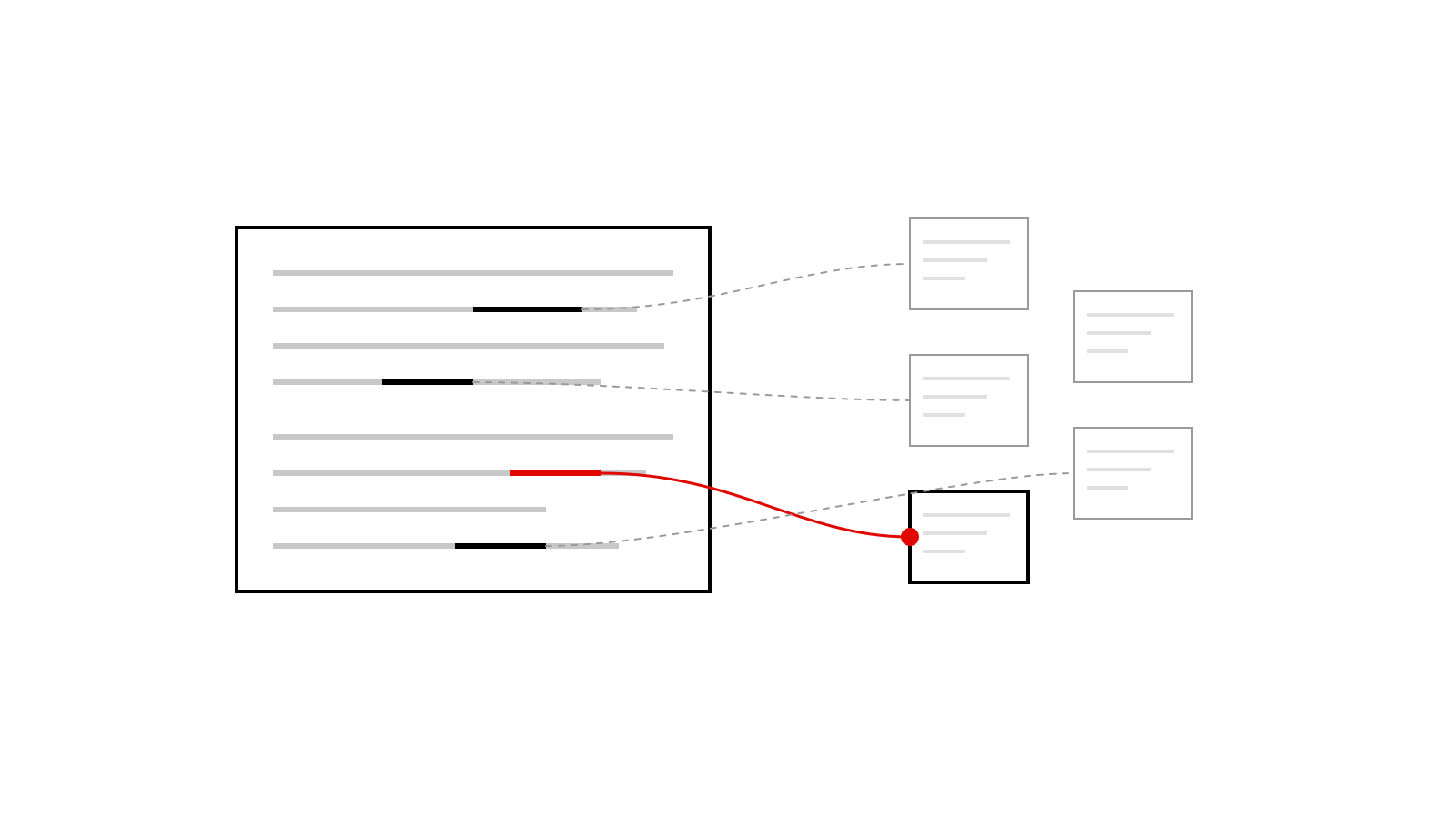
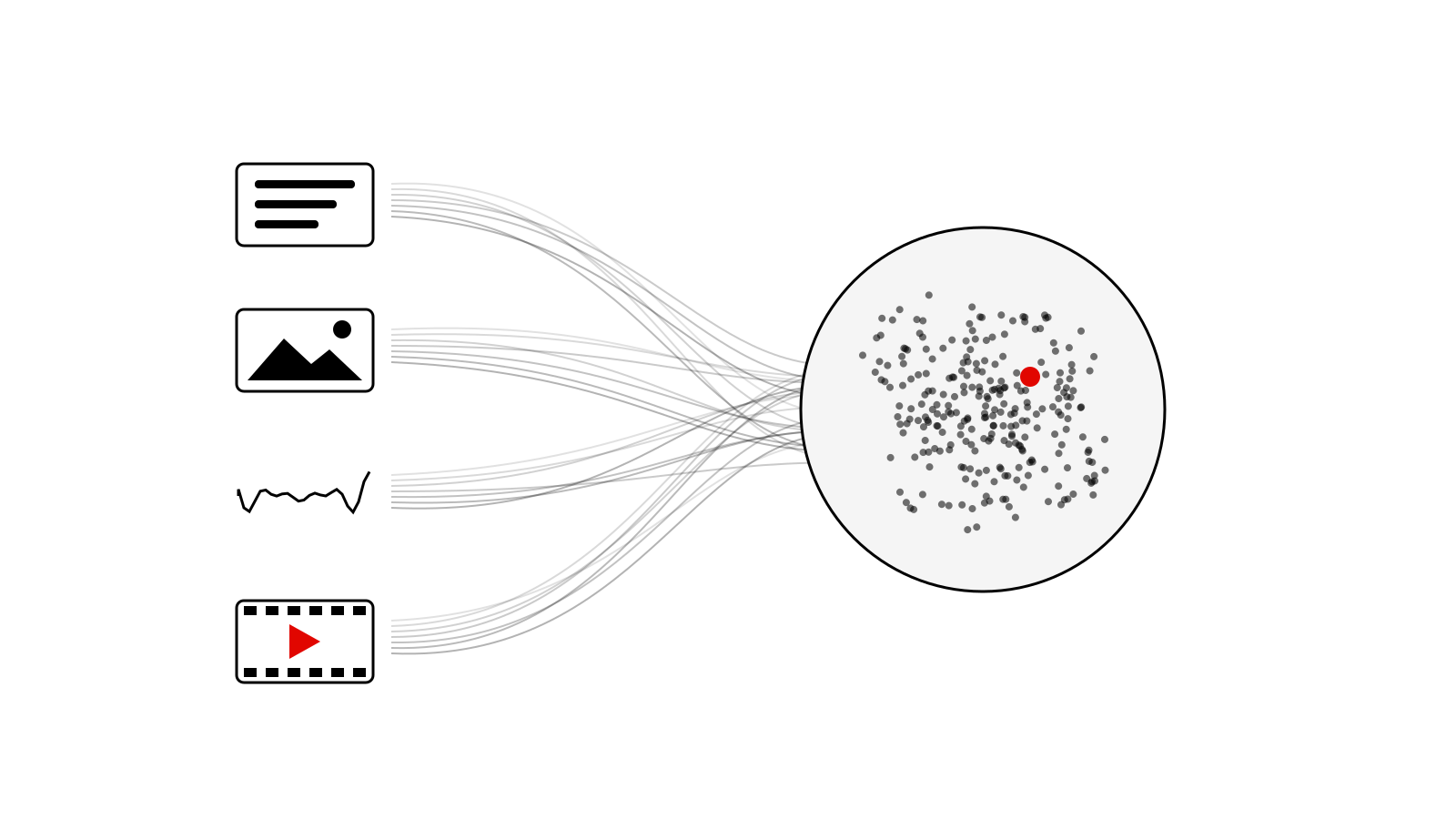
For 25 years, search worked the same way: you typed words, you got a list of links, you did the reading. In 2024 the biggest search engine in the world started doing the reading for you.
AI Overviews, and the pizza incident
In May 2024, Google rolled out AI Overviews in the United States: AI-written summaries at the top of search results. Within days, screenshots spread of the feature suggesting glue to help cheese stick to pizza, a tip that appears to have come from an old joke comment on Reddit, and recommending eating a small rock a day, an idea from a satirical article. Google narrowed when the summaries appear and kept improving them.
The lesson was not that AI search is useless; most answers were fine. It was that a system summarising the internet will occasionally summarise the internet’s jokes with a straight face.
Everyone wants to answer
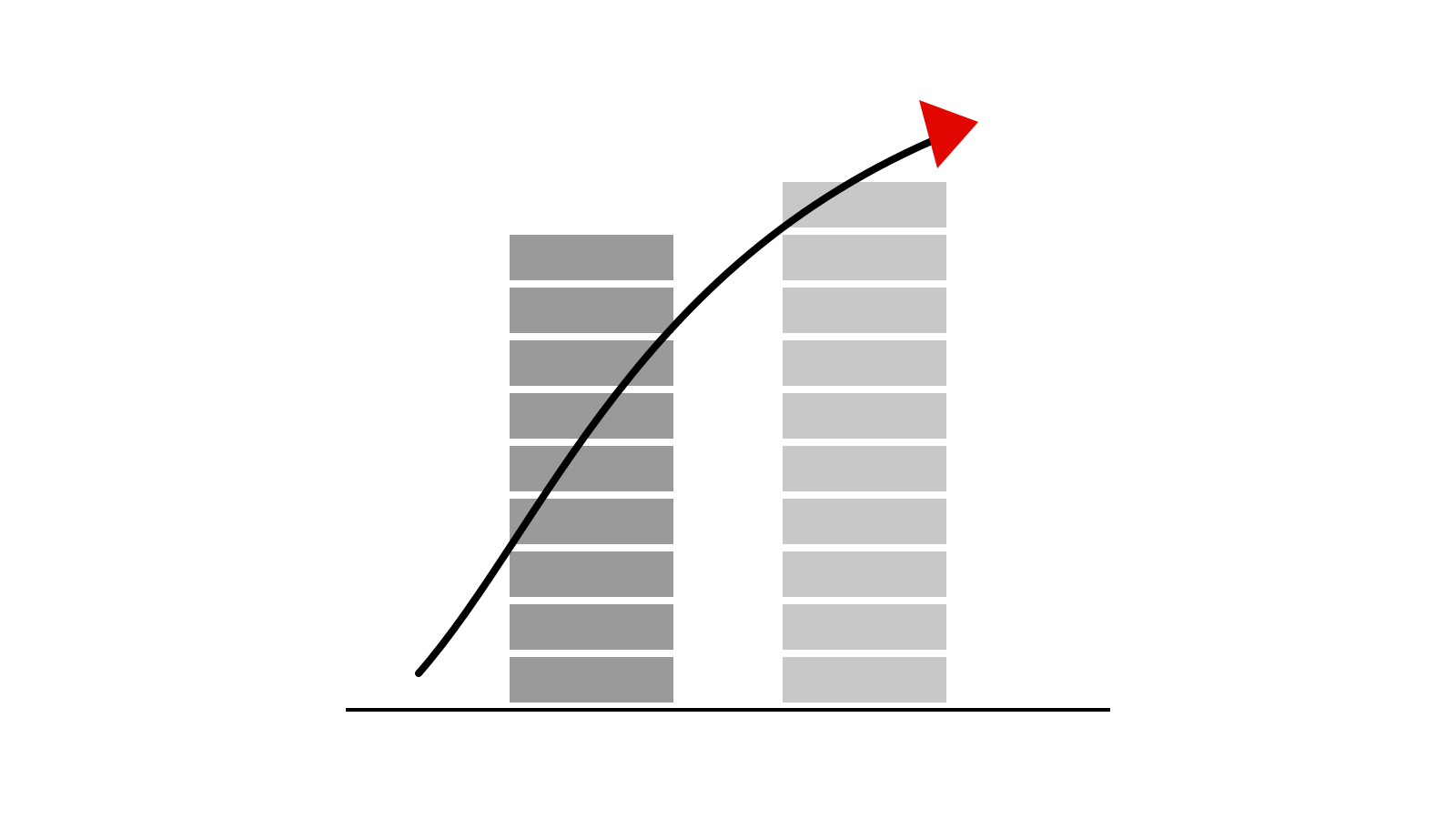
Google is not alone. Perplexity built a business on answers with clickable sources, OpenAI launched ChatGPT search in October 2024, and Google later added an AI Mode for longer, conversational searches. Searching is turning into asking.
Who pays for the web?
If people get their answer without clicking, the websites that wrote the information get fewer visitors, and less money to keep writing it. Publishers are worried, and how AI search shares value with the sites it reads is one of the big unresolved questions of the web.
Tip: click the sources. An AI answer is a summary of other people’s work, and the summary is only as good as what it read.